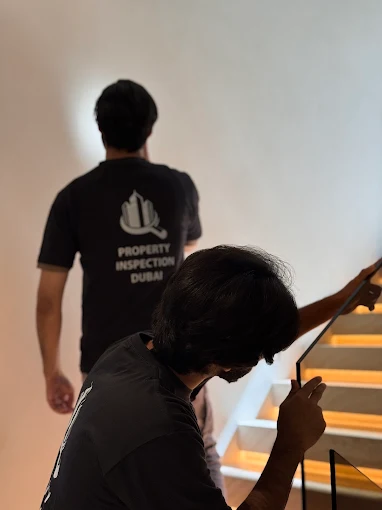
Not all property inspections in Dubai are equal. While many companies offer quick checklists and basic walkthroughs, certified property inspectors follow structured inspection standards that uncover defects others simply miss. At Property Inspection Dubai, we often inspect properties that were previously “cleared” by another inspector—only to discover serious technical issues. This article explains what certified inspectors check, why it matters, and how professional inspection protects buyers from hidden risks.
Why Certification Matters in Property Inspection
Property inspection is not just about experience—it is about methodology, standards, and accountability. Certified inspectors are trained to follow international inspection protocols, apply diagnostic tools correctly, and report findings objectively.
In Dubai, professional inspection standards align with:
- Dubai Land Department requirements
- RERA expectations
- InterNACHI inspection frameworks
Certification ensures inspections are systematic, defensible, and evidence-based.
The Problem with Basic or Non-Certified Inspections
Many low-cost inspection services rely on:
- Visual-only checks
- Generic checklists
- No diagnostic tools
- No testing under load
- No understanding of system interaction
These inspections may look detailed on paper but fail to identify performance-related defects.
What Certified Inspectors Check That Others Ignore
1️⃣ Electrical Load, Safety & Compliance Testing
Certified inspectors go beyond checking whether sockets work.
They assess:
- Load capacity of circuits
- Breaker ratings vs appliance demand
- Earthing continuity
- Polarity and voltage stability
- Distribution board labeling accuracy
Why it matters:
Electrical systems may function initially but fail under real living conditions, creating safety risks and appliance damage.
2️⃣ Moisture Detection Behind Walls & Tiles
Water damage is one of the most expensive hidden risks in Dubai properties.
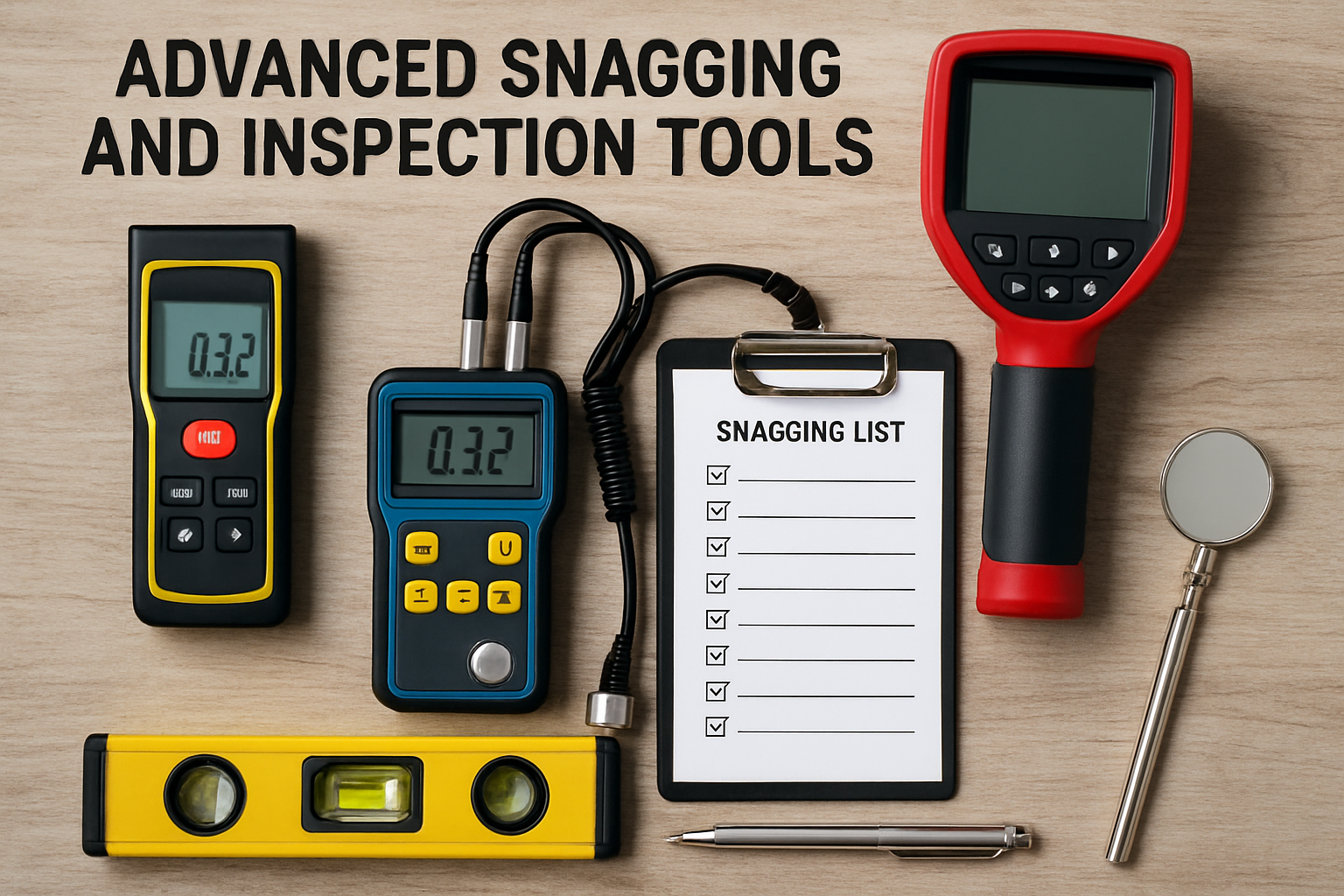
Certified inspectors use:
- Thermal imaging cameras
- Moisture meters
- Targeted scanning of wet areas
They identify:
- Trapped moisture behind tiles
- Balcony seepage
- Window perimeter leakage
- Hidden plumbing leaks
Visual inspections cannot detect this.
3️⃣ AC System Performance, Not Just Operation
Non-certified inspections often stop at “AC turns on.”
Certified inspectors evaluate:
- Airflow balance per room
- Temperature differential
- Condensation risks
- Duct insulation quality
- Drainage slope and routing
This prevents post-move-in cooling failures and ceiling leaks.
4️⃣ Plumbing Pressure & Drainage Behavior
Certified inspection includes:
- Water pressure stability testing
- Drainage flow observation
- Backflow risk identification
- Joint leakage checks
- Odor and venting assessment
Many plumbing defects only appear under continuous use, not during handover.
5️⃣ Structural Alignment & Tolerance Checks
Even when structures are approved, workmanship issues remain common.
Certified inspectors check:
- Floor level tolerances
- Wall alignment
- Tile lippage and hollowness
- Staircase uniformity
- Partition movement indicators
These issues affect comfort, resale value, and long-term durability.
6️⃣ Window, Door & Envelope Performance
Certified inspections evaluate:
- Air leakage
- Sealant application quality
- Frame alignment
- Locking mechanism stress
- Water ingress risk
Dubai’s heat and pressure conditions make envelope performance critical.
7️⃣ System Interaction & Future Failure Risks
This is where certification makes the biggest difference.
Certified inspectors understand:
- How AC condensation affects ceilings
- How waterproofing failure affects electrical systems
- How structural movement impacts finishes
- How poor ventilation leads to mold
They inspect how systems affect each other, not in isolation.
Why Checklists Alone Are Not Enough
Checklists confirm presence.
Certified inspections confirm performance.
Without testing, tools, and training, inspections miss:
- Latent defects
- Future failures
- Safety risks
- Costly repair triggers
A detailed checklist without diagnostics creates false confidence.
How Certification Protects Buyers & Investors
Certified inspection provides:
- Evidence-based defect reports
- Strong documentation for developers
- Clear rectification scope
- Reduced post-handover disputes
- Lower long-term maintenance costs
This is especially critical before:
- Final payment
- Handover acceptance
- DLP expiry
- Tenant move-in
What to Ask Before Hiring a Property Inspector in Dubai
Before booking, buyers should ask:
- Are your inspectors certified?
- Do you use thermal imaging?
- Do you test electrical load?
- Do you check behind finishes?
- Do you provide photo-based reports?
If the answer is unclear, the inspection may be limited.
Real Inspection Pattern Seen Across Dubai
Across villas, apartments, and townhouses:
- Non-certified inspections miss defects
- Problems appear months later
- Owners pay for repairs
- Certified re-inspection reveals original faults
This pattern is preventable with the right inspection approach.
Conclusion
Certified property inspection in Dubai is not about checking more boxes—it is about checking the right things. From hidden moisture to electrical safety and system performance, certified inspectors uncover what others ignore. When your investment, safety, and future costs are at stake, inspection depth matters more than speed or price.
Call to Action
Before accepting handover or moving in, ensure your property is inspected to professional standards.
Property Inspection Dubai delivers certified, independent inspections using advanced tools and structured reporting—so nothing critical is overlooked.
👉 Inspect professionally
👉 Verify beyond visuals
👉 Protect your property with facts
