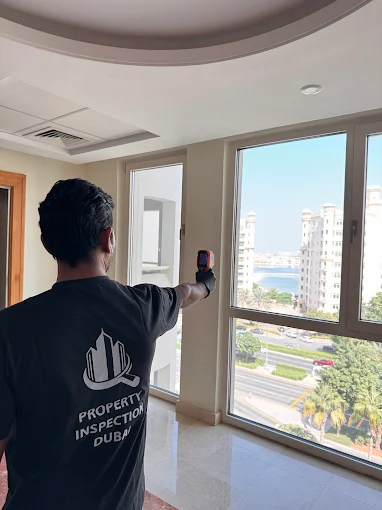
In Dubai’s fast-paced real estate market, many buyers assume that once a property “passes handover,” it is fully compliant, safe, and defect-free. Unfortunately, this assumption often leads to costly surprises. At Property Inspection Dubai, we regularly inspect homes that have already been officially handed over—yet still contain serious construction, MEP, and finishing defects. This article explains why passing handover does not guarantee quality, and why independent property inspection is critical before you move in or release final payments.
Understanding the Dubai Property Handover Process
Property handover in Dubai is primarily an administrative and compliance milestone, not a deep quality assurance process. Developers must demonstrate that the unit meets minimum regulatory requirements and approved drawings.
What handover typically includes:
- Completion certificates from relevant authorities
- Basic visual checks
- Utility connections (water, electricity, cooling)
- Confirmation that the unit is “ready for occupation”
What it does not include is a room-by-room technical inspection of workmanship, hidden systems, or long-term performance.
This gap is where many buyers misunderstand the process.
Why Developer Handover Checks Are Limited
Developers manage hundreds—or even thousands—of units across large projects. Their handover teams are focused on speed, documentation, and volume, not forensic inspection.
Key limitations:
- Visual-only checks (no testing of concealed systems)
- No thermal scanning or moisture detection
- No electrical load testing
- No pressure testing of plumbing
- No long-term performance evaluation
In simple terms:
Handover confirms completion — not construction quality.
Common Defects That Pass Handover but Fail Independent Inspection
During independent property inspections across Dubai, the same defect patterns appear repeatedly—often in properties already handed over.
1. Hidden Water Leakage & Waterproofing Failures
Waterproofing issues rarely show on the first day. Many only appear after:
- First rainfall
- AC usage during summer
- Pressure changes in plumbing lines
Common findings include:
- Moisture trapped behind bathroom tiles
- Balcony slab seepage
- Poor window sealant application
- Inadequate wet-area waterproofing
These defects are invisible without moisture meters and thermal cameras.
2. Electrical Load & Safety Issues
Handover checks usually confirm that lights and sockets turn on—but they do not test load capacity or safety margins.
Independent inspections frequently uncover:
- Overloaded circuits
- Improper earthing
- Loose socket connections
- Incorrect breaker ratings
- Unsafe DB labeling
These issues can lead to:
- Frequent tripping
- Appliance damage
- Fire risk
3. AC & Mechanical Deficiencies
Cooling systems are among the most common post-handover complaints in Dubai.
Typical hidden AC defects:
- Incorrect duct sizing
- Poor airflow balancing
- Condensation leaks above ceilings
- Improper insulation of refrigerant lines
- Incorrect thermostat calibration
Most of these only become obvious after prolonged usage, not during handover day.
4. Structural & Alignment Defects
While major structural compliance is checked during construction, finishing-level structural defects often pass unnoticed.
Examples include:
- Sloped flooring beyond tolerance
- Misaligned walls and partitions
- Uneven tile bedding (hollow tiles)
- Hairline cracks concealed by paint
These defects impact both property value and long-term durability.
The Difference Between “Approved” and “Acceptable”
A crucial distinction buyers must understand:
| Term | What It Means |
|---|---|
| Approved | Meets minimum regulatory requirements |
| Acceptable | Meets quality, safety, and durability expectations |
Many Dubai properties are approved—but not acceptable for long-term living without corrective works.
Independent inspection focuses on acceptability, not paperwork.
Why Independent Property Inspection Is Not a Duplicate Step
Some buyers assume independent inspection repeats what developers already did. In reality, the scope is entirely different.
Independent inspection includes:
- Thermal imaging for moisture & heat loss
- Electrical load and polarity testing
- Plumbing pressure and drainage checks
- Window alignment and air leakage checks
- Detailed finishing quality assessment
- Photo-documented defect reporting
This level of inspection is not part of standard handover.
Financial Risks of Skipping Independent Inspection
Failing to inspect independently can result in:
- Repair costs after DLP expiry
- Disputes with developers or contractors
- Reduced resale value
- Insurance complications
- Safety hazards for occupants
In many cases, buyers spend 10–20 times more fixing defects later than the cost of a professional inspection.
How Independent Inspection Strengthens Your Position with Developers
When defects are identified early and documented professionally:
- Developers are more responsive
- Rectifications happen faster
- Disputes are resolved with evidence
- Buyers avoid verbal arguments
A detailed inspection report shifts discussions from opinions to facts.
When Should You Book an Independent Inspection?
The best times are:
- Before final handover acceptance
- Before releasing final payment
- During the Defects Liability Period (DLP)
- Before moving in
- Before renting or selling
Earlier inspection = stronger leverage.
Why Buyers in Dubai Are Increasingly Choosing Independent Inspectors
Dubai’s real estate market is mature, fast, and complex. Buyers today are more informed and understand that:
- Speed of construction ≠ quality
- New does not mean defect-free
- Paper compliance does not equal workmanship
Independent property inspection has become a risk-management tool, not a luxury.
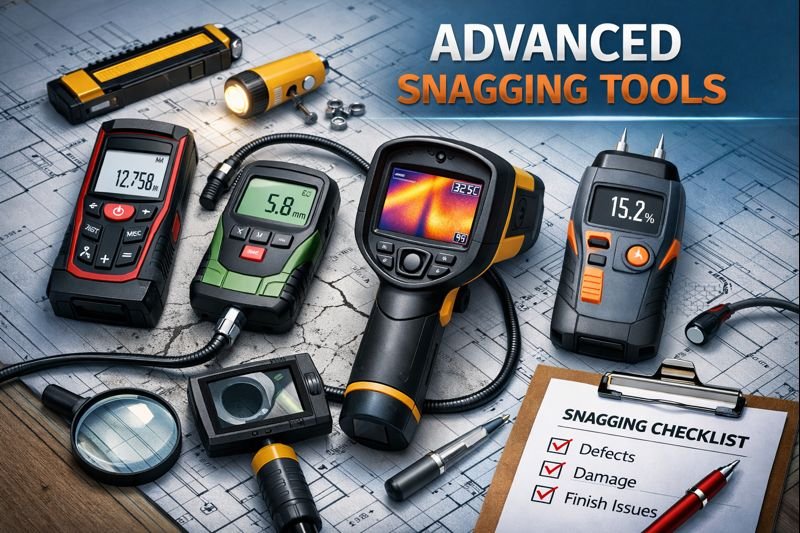
What to Expect from a Professional Property Inspection Report
A proper report should include:
- Clear defect descriptions
- Photographic evidence
- Room-by-room breakdown
- Severity classification
- Practical rectification guidance
This report becomes your technical reference throughout ownership.
Conclusion
Many Dubai properties pass handover because they meet minimum requirements—not because they are free of defects. Independent property inspection exists to protect buyers from hidden risks, future costs, and avoidable disputes. Before you accept handover or move in, ensure your property is assessed beyond paperwork. A professional inspection today can prevent years of frustration tomorrow.
Call to Action
If your property has passed handover—or is about to—don’t assume it’s defect-free.
Property Inspection Dubai provides independent, professional inspections with fast reporting and detailed defect documentation.
👉 Inspect before you accept.
👉 Verify before you move in.
👉 Protect your investment with facts, not assumptions.
