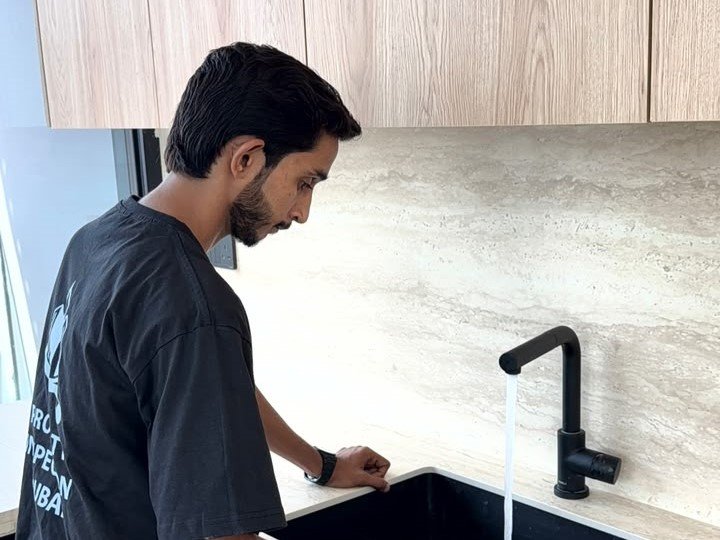
Buying, leasing, or transferring property in Dubai often happens quickly, involving substantial documentation and financial commitments. A professional Property Inspection Dubai service can help identify potential issues before you make a decision. Usually, buyers do not perform an in-depth assessment of the property. Have you checked that the air conditioning works properly in every room? Is there any dampness around the bathroom tiles? Are the balcony balustrades secure? These details can make a significant difference to the property’s safety, condition, and long-term value.
Property inspections in Dubai allow trained inspectors to carefully check each system of the property. You will receive a detailed report from the inspection letting you know what is working well, not working well and what requires attention.
This guide tells you the different property inspection services available, what inspectors look at, the tools they use and how to choose the right property inspection company. This guide targets first-time buyers who are new to all this, and agents, landlords, and investors who want a clear reference to share with clients.
What Is Property Inspection in Dubai?
A property inspection is an independent, non-invasive check of a home or building’s condition. The inspector doesn’t fix anything. Their job is to find problems, record them clearly and explain how serious they are.
In Dubai, inspections matter for a few reasons that are specific to this market:
- Fast construction. The developer hands over new communities in large batches, and small defects slip through as thousands of units are finished at once.
- The climate. Extreme summer heat and humidity are hard on air conditioning, sealants, waterproofing and paint. Problems appear faster here than in milder climates.
- Limited time to claim. For new homes, the developer usually has to fix defects during a set defects liability period after handover. The owner usually bears the cost of faults found after that period.
- A busy resale market. Older villas and apartments change hands often, and a fresh coat of paint can hide years of leaks or poor maintenance.
A good inspection gives you facts before you commit. You can then negotiate, ask for repairs or walk away with confidence.
The Main Types of Property Inspection Services
Not every inspection is the same. The right one depends on where you are in the property journey.
| Inspection type | When it happens | Best for |
| Pre-handover inspection | Before you accept the keys from the developer | Off-plan buyers who want defects fixed before moving in |
| Post-handover inspection | After handover, within the defects liability period | Owners who missed snagging or want a check before the developer’s cover ends |
| Pre-purchase inspection | Before you sign for a resale property | Buyers of secondary-market villas and apartments |
| Move-in inspection | Before a tenant moves in, or at move-out | Landlords, tenants and property managers |
| Maintenance inspection | Every year or two, on homes people live in | Owners who want to catch wear early |
| Commercial property inspection | Before you lease or buy offices, shops or warehouses | Businesses and commercial investors |
Snagging is the name for the pre-handover and post-handover checks on new homes. For houses, villa snagging covers roofs, gardens and external walls as well as the inside. For flats, apartment inspections focus on the unit itself, plus balconies and shared connections.
What a Property Inspector Checks, System by System
A full home inspection in Dubai follows a structured checklist. Here’s what a thorough inspector will cover.
Structure and building fabric
Cracks in walls, ceilings and slabs, signs of settlement, and damage to columns or beams. Where something looks serious, a dedicated structural and foundation inspection goes deeper.
Finishes
Hollow or cracked tiles, uneven floors, paint defects, poor grouting, gaps around skirting and doors, and badly fitted joinery.
Electrical
Power and polarity at every socket, earthing, the distribution board, light fittings, switches and outdoor sockets.
Plumbing and drainage
Water pressure, hot water, slow or blocked drains, floor slopes in showers and balconies, and visible or hidden leaks.
Air conditioning
Additionally, cooling at each outlet, airflow, thermostat response, condensate drains, and duct leakage. However, in Dubai, this is often where the biggest complaints come from.
Moreover, waterproofing, roofs, and balconies require regular maintenance.
Additionally, wet areas, roof terraces, balcony drains, window seals, and external walls. Consequently, poor waterproofing is a common source of damp and mold.
Additionally, safety and pests.
Additionally, smoke detectors, railings, glass, gas connections where there are any, and signs of pests. In villas with gardens or timber, a termite inspection is worth adding.
The Tools Behind a Professional Inspection
A thorough inspection involves more than simply walking through with a flashlight. Inspectors use simple tools and specialist equipment together:
- Thermal imaging camera. As a result, it reveals temperature differences on surfaces. Additionally, it helps find hidden moisture, missing insulation, AC duct leaks and overheating electrical parts without opening anything.
- A moisture meter confirms if a wall, floor, or ceiling is actually wet. A moisture meter confirms whether a wall, floor, or ceiling is actually wet. This matters when an inspector suspects a leak or mold growth behind a surface.
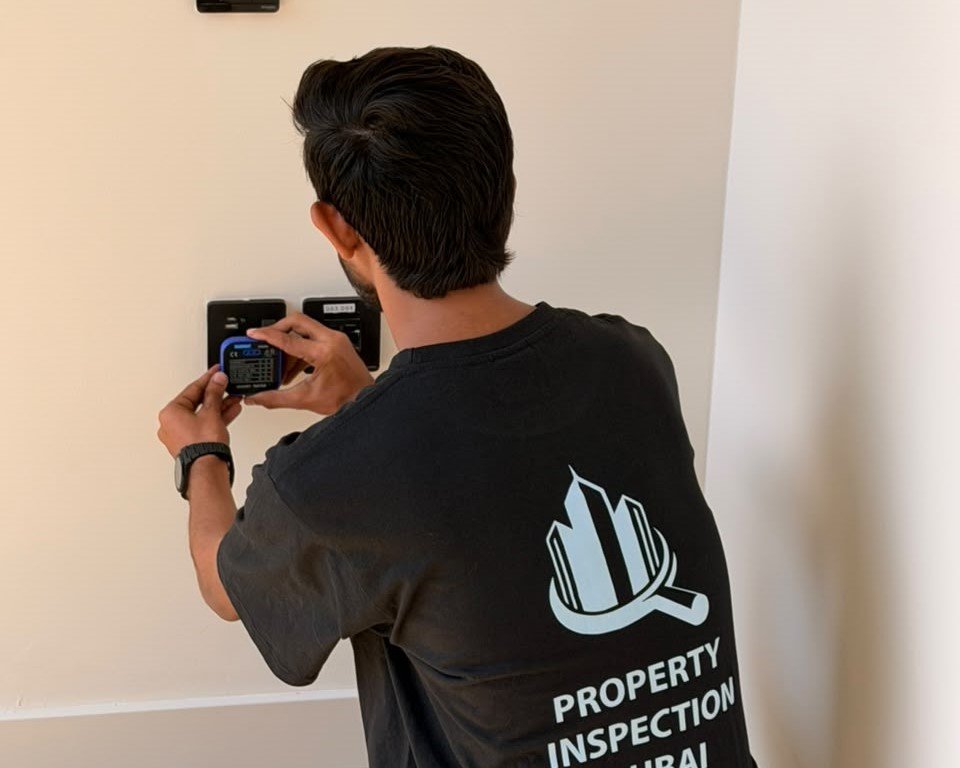
- Additionally, use a socket tester and a multi meter. Additionally, check wiring, polarity and earthing at outlets.
- Laser level and spirit level. Additionally, measure slopes and flatness for floors, worktops and shower trays.
- Tapping tool. Finds hollow tiles that may crack or come loose later.
- Drone or pole camera. Used on some villas to check roofs safely.
- Digital reporting software. Turns hundreds of photos and notes into a clear report you can share with a developer, seller or landlord.
Ask any property inspection company which tools come standard. Some charge extra for thermal imaging, which can make a cheap quote less of a bargain than it looks.
How the Inspection Process Works
Most property inspections in Dubai follow the same simple path:
- Booking. You share the property type, size, community and the date you need. For new homes, book as soon as the developer sends your handover or inspection notice.
- Access. The inspector requires you to connect power and water and to open the unit. For handovers, the developer usually arranges access on a set day.
- The inspection. A one-bedroom apartment often takes 2 to 3 hours. A large villa can take most of a day. You’re welcome to join, and it’s worth doing so.
- The report. You get a detailed report with photos, the location of each issue, a short description and, in good reports, a note on how urgent it is.
- Next steps. You send the report to the developer, seller or landlord. A follow-up visit verifies that the contractor completed the repairs properly.
Who Should Book a Property Inspection?
First Time Buyers
A building inspection is a great way to understand more about what you’re purchasing. You can ask questions in person with the inspector and have a useful reference to the condition of the property.
Investors
Building inspections help maximize returns. Hidden issues with the air conditioning or plumbing can cause problems for tenants, raise repair costs, and lead to vacancies. In Dubai many experienced investors get all units inspected upon delivery and again before they fall out of the developer’s warranty period.
Real Estate Agents
Building inspections can make selling easier. If a seller gets the property inspected before listing it, they can resolve any issues that may arise. Suggesting a building inspection to a buyer can increase customer confidence. It also reduces the likelihood of disputes after purchase.
Landlords/Property Managers
Having a building inspection at move in and move out provides a clear reference to the condition of the property which eases security deposit discussions as both parties can refer to the same images from the report.
How to Choose a Property Inspection Company in Dubai
The quality of inspectors varies a lot. These questions help you tell a careful property inspection company from a rushed one:
- Who will actually inspect? Ask about the inspector’s background and training. A recognized credential, like the Certified Professional Inspector (CPI) title from InterNACHI, demonstrates that they adhere to a set standard of practice.
- Is the company properly licensed in Dubai? A valid trade license is the minimum.
- Can you see a sample report? Look for clear photos, room-by-room locations and plain-English descriptions. A vague sample means a vague report.
- What’s included in the price? Check whether thermal imaging, moisture testing and a follow-up visit are included or extra.
- How long will the inspection take? If someone promises to inspect a large villa in an hour, they’ll miss things.
- When will the report arrive? Get a firm answer, especially if you’re working to a handover deadline.
- Will they explain the findings? A good inspector is happy to walk you through the report and answer questions.
At Property Inspection Dubai, our InterNACHI-certified team is happy to share a sample report and talk through exactly what’s included before you book.
Frequently Asked Questions
What is property inspection in Dubai?
An inspection carried out by a qualified inspector will produce a comprehensive report (with photographs) on several aspects of the property. The report will include information on the structure, decoration, electrics, plumbing, air conditioning, water proofing and safety.
Do I need an inspection for a brand-new property?
Indeed. Numerous small flaws and perhaps a few major ones are common in new homes. The developer is in charge of paying for the repairs if these problems are discovered before handover or during the defects liability period.
How long does a property inspection take?
About 2 to 3 hours for a one-bedroom apartment, and up to a full day for a large villa.
What’s the difference between snagging and a home inspection?
Defects and incomplete work in newly constructed homes are addressed by snagging, either before to or following handover. A house inspection has a broader scope and is frequently carried out for properties that are being sold, when there may be severe wear and tear, prior repairs, and hidden damage.
How much does a property inspection cost in Dubai?
It depends on the property type, size and the services included. Ask a property inspection company for a written quote that lists exactly what’s covered.
Can I attend the inspection?
Yes, and it’s a good idea. You’ll understand the report much better if you’ve seen the issues in person.
Final Thoughts
Having property inspections carried out in Dubai has many benefits. Although having inspections can seem costly, they can actually help you save money in the long run. Whether you have moved into a new apartment, bought a second hand villa, or own rental properties, getting a property inspection in Dubai can give you valuable information regarding the state of your property.
Select a property inspection company with qualified inspectors to get accurate reports so that any issues are addressed by the correct party.
If you have a handover, purchase or move-in coming up, book an inspection or call or WhatsApp +971 56 378 7002 to talk through what your property needs.
