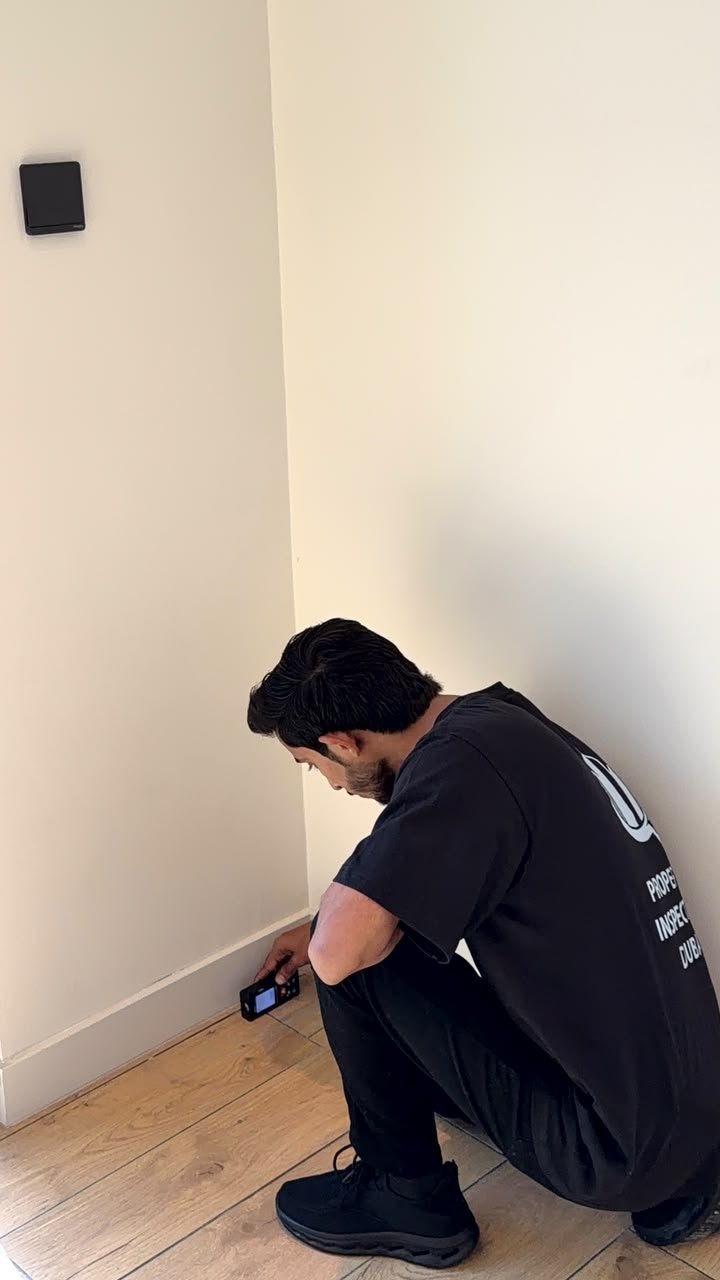
A property inspection Dubai buyers arrange is only as useful as the report that comes out of it. The visit itself lasts a few hours. The report is what you’ll keep for months. It’s what you send to a developer, a contractor or a landlord, and it’s what you’ll check repairs against. So before you book anyone, it helps to know what a good report looks like and how to use it.
This guide covers what a property inspection involves, what belongs in the report, how to read it without panic and how to pick an inspection company that delivers one you can act on.
Why a Property Inspection Matters in Dubai
Dubai’s market moves quickly. Developers hand over new apartments, townhouses and villas every year, and buyers usually have a limited window to report problems. A home can look perfect on handover day and still hide leaks, weak AC ducts, poor sealant or unfinished work. Most of those issues cost far more to fix once you’ve moved in.
A professional property inspection turns a vague worry into documented evidence. Instead of telling a developer that something feels wrong, you hand over a clear list showing what, where and how serious. That’s a much stronger position to negotiate from. It also helps resale buyers, landlords and tenants, who need a reliable record of the property’s condition.
What Happens During a Property Check in Dubai
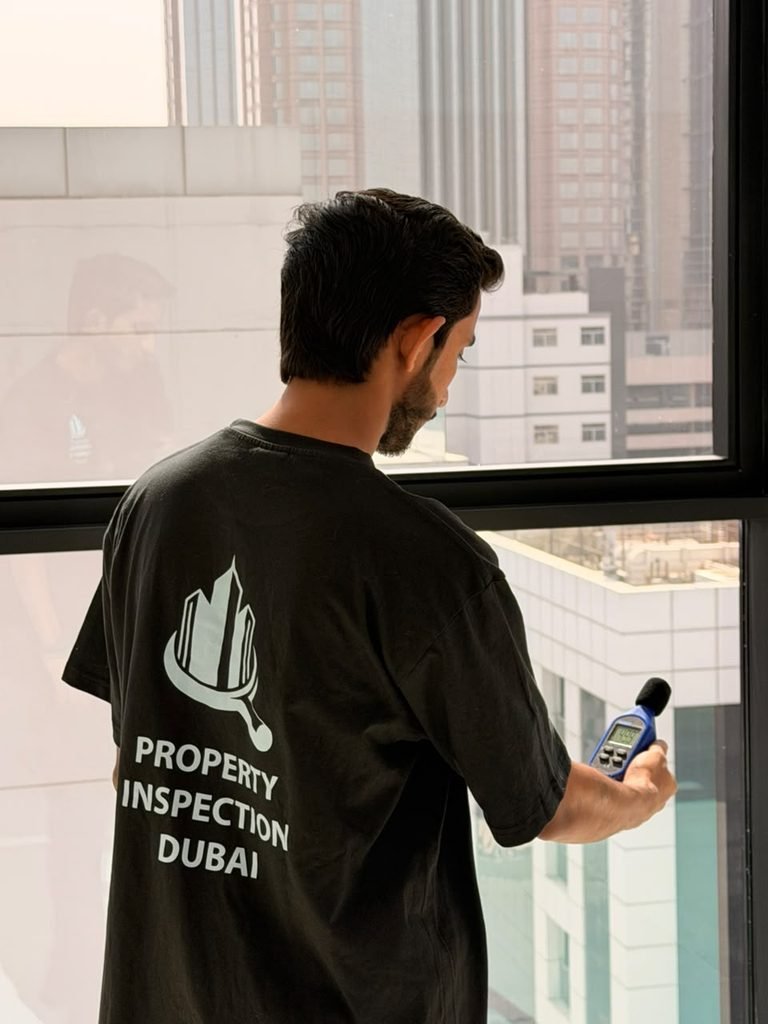
A proper property check Dubai owners can rely on follows a structured method. The inspector doesn’t just wander through the rooms. They work through a checklist, room by room, looking at walls, ceilings, floors, doors, windows, kitchens, bathrooms, plumbing, electrics and air conditioning.
Where utilities are connected and it’s safe, the inspector also tests how things work. They run taps and watch the drains. They operate doors, windows and cabinets. The inspector switches on the AC and checks airflow. Inspectors test accessible sockets and switches. This matters because a home can look finished and still fail in use. A tile that looks perfect might sound hollow. A window might close during a quick test and drift loose after a few days.
Many inspectors also bring equipment. Thermal imaging cameras help reveal temperature patterns that can point to moisture or insulation gaps. Moisture meters show whether a wall or floor holds more water than it should. Electrical testers check circuits without anyone opening a panel. These tools add real value, but they don’t diagnose everything. A moisture reading tells you where to look, not why the moisture is there.
Snagging Work and Home Inspection: What’s the Difference?
People often use these terms as if they mean the same thing. They overlap, but the goals differ.
Snagging work focuses on defects, unfinished jobs and poor workmanship, usually around a new build handover. It gives you a list of items the developer should fix. A home inspection has a wider purpose. It assesses the overall condition of a property, whether that’s a resale villa, an occupied apartment or a home you’ve owned for years. It can cover maintenance concerns, signs of wear, moisture problems and the state of key systems.
A pre-handover visit often combines both. The inspector records defects and unfinished work while also testing accessible systems. Before you hire anyone, ask which one you’re actually getting. A written scope should say whether the service is a visual walk-through, a detailed technical inspection or a mix of both.
What a Good Property Inspection Report Includes
The property inspection report is the real product. A strong one has several features that make it easy to use.
It names each defect separately. A report that groups ten problems under “kitchen issues” leaves the developer guessing. One that lists “cabinet door misaligned near the sink” gives the repair team something to find and fix.
It also shows the location of every finding. The room, the wall and sometimes the exact fitting should be clear. A report with that detail saves time on both sides.
Photos matter just as much. A clear image of each defect removes arguments about whether a problem exists. The best reports use annotated photos, with a mark or arrow showing exactly what the inspector means.
A good report also rates severity. Not every defect carries the same weight. A scratched worktop is cosmetic. A visible leak or a faulty electrical fitting needs attention much sooner. When the report separates urgent items from minor ones, you know where to start.
Finally, a good report is honest about its limits. It should say what the inspector couldn’t reach, what the equipment couldn’t confirm and where a specialist should take a closer look. A report that admits uncertainty is more trustworthy than one that claims to know everything.
How to Read Your Report Without Panic
Many people feel overwhelmed when a report arrives with dozens, sometimes hundreds, of entries. That’s normal. A new home often has a long list of small items, and a long list doesn’t mean the property is bad. It means the inspector did the job properly.
Start by looking for anything involving safety, water or electrics. Those items need quick attention and sometimes a specialist. Then move to functional problems, such as doors that don’t close, drains that run slowly or AC that doesn’t cool well. Leave cosmetic items for last. Scuffs, small paint marks and minor finishing flaws still deserve a place on the list, but they rarely need urgent action.
Pay attention to the wording the inspector uses. A line that says “signs of moisture observed” is an observation. It isn’t a diagnosis. The cause might be a leak, condensation or something else. If the report recommends further investigation, take that seriously and arrange it.
What to Do After You Receive the Report
Receiving the report is a step, not the finish line. Review it carefully and make sure every item is clear. If something is unclear, ask the inspector to explain it before you send anything to the developer.
Next, submit the findings through the developer’s official defect-reporting channel. Keep copies of everything, including the report, photos, emails and any reference numbers. Note the dates too. If a dispute comes up later, a clean paper trail helps you a lot.
When the developer says repairs are complete, check them. Don’t assume. A repainted wall may still hide a damp problem. A replaced tile may sit slightly uneven. A fixed window may stick again after a few days. A follow-up inspection against the original report confirms what’s really finished and what’s still open. Many buyers skip this step, and it’s often where unresolved defects slip through.
Remember that a report doesn’t force a developer to accept every finding. The developer reviews each item under your contract and warranty terms. Read your handover documents, find out your reporting deadlines and act early.
Villas, Apartments and Rentals: Different Needs
The report should reflect the property. A villa inspection covers more ground than an apartment. Alongside the interior, it may include accessible roof areas, boundary walls, drainage, outdoor finishes and pool equipment. An apartment inspection concentrates on the unit, with extra attention to moisture around bathrooms, windows and balconies.
Rentals add another layer. A report at the start of a tenancy records the property’s condition before anyone moves in. A matching report at the end shows what changed. That gives landlords and tenants a fair basis for settling deposit questions. If you’re a landlord or an investor, regular inspections also help you plan maintenance before small faults become expensive repairs.
How to Choose an Inspection Company in Dubai
The right inspection company makes everything above easier. The wrong one leaves you with a thin report and little leverage.
Start with credentials you can verify. Ask which bodies certify the inspectors and check the certificates yourself. InterNACHI, for example, publishes a public directory of certified inspectors. A provider that makes verification easy usually has nothing to hide.
Then look at experience with your property type. A company that regularly inspects high-rise apartments may not know the common defects in large villas, and the reverse is also true. Ask how many properties like yours the team has handled.
Ask for a sample report before you pay. This single step tells you more than any marketing page. Check that the findings are specific, located and photographed. Also ask when you’ll receive the report and whether a re-inspection after repairs is included or charged separately.
Get the scope and price in writing. A very low quote can mean a rushed visit or a narrow checklist, so compare what each service includes, not just the number at the bottom. And be cautious of any provider that promises to find every defect. No inspection can guarantee that, because concealed pipes, cables and waterproofing layers can’t be seen without invasive testing.
When people search for the best inspection company, they’re really asking for the provider that fits their property, explains its limits and backs its claims with evidence. Judge candidates on those points, not on slogans.
How Property Inspection Dubai Works
We’re one option among many, so here’s what we offer, and you can compare us on the same points. Property Inspection Dubai is an inspection company Dubai buyers, owners and tenants contact for handover, villa, apartment, pre-purchase, post-handover and maintenance inspections.
Our inspectors hold InterNACHI certification, and each credential links to the issuing body so you can verify it yourself. We use thermal imaging, moisture meters and electrical test equipment. Our reports include annotated photos and a severity rating for every defect, in a format developers can process. Across the UAE, we’ve inspected more than 44,000 properties.
If another provider suits your property better, that’s a perfectly good outcome. What matters is that you choose based on evidence.
Book Your Property Inspection in Dubai
A thorough inspection and a clear report give you control. You know what’s wrong, you can prove it and you can follow it through to a fix. Whether you’re taking over a new villa, buying a resale apartment or managing a rental, the principle is the same.
Call or WhatsApp +971 56 378 7002, or request a quick quotation on our website. Tell us your property type, area and size, and we’ll recommend the right inspection for your situation.
