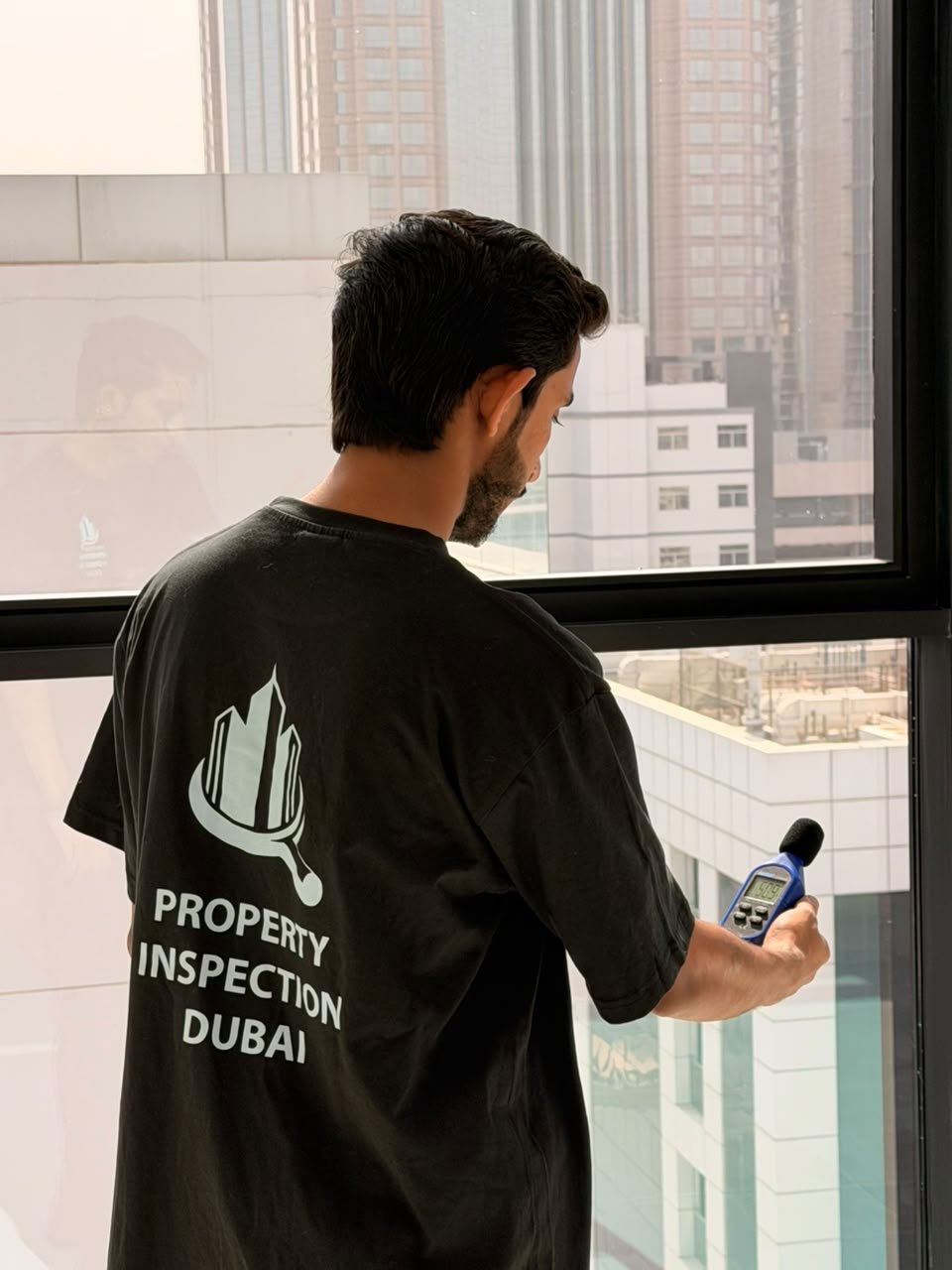
Buying a property in Dubai is a major investment. Whether you are purchasing a brand-new apartment, taking possession of a villa, or moving into a rented home, the property may look perfect at first glance. But a quick walk through can easily miss problems that become obvious only after you start using the property. A door may not close properly. A bathroom may have a drainage problem. An air-conditioning system may not cool evenly. Hollow tiles may indicate sealing issues in windows, and small water leaks may lie hidden beneath cabinets and fixtures. This is why property inspection Dubai services have become an important part of buying, handing over, and moving into a property.
A professional inspection gives you a structured assessment of the property’s condition and helps you identify issues before they become your responsibility.
What Is a Property Inspection?
A property inspection is an evaluation of the item’s condition. Depending on the inspection’s type, it may include examining surfaces, fixtures, plumbing, electricity, air conditioning, moisture, doors, windows, kitchens, bathrooms, and other objects.
The survey covers all items in detail to ensure that nothing is defective. It is not enough to find some peeling paper or a few spots of mold. The surveyor also looks for systems’ flaws such as improper air conditioning, poor lighting, or plumbing issues. For instance, your new apartment’s walls and floors may look beautiful, but its air conditioning may not be strong enough for cold winter nights, or its bathtub may have a hidden leak. These defects would go unnoticed during an unprofessional survey, but a professional inspector will find them during a two-hour survey.
Why Property Inspection Dubai Services Matter
Dubai has a large and constantly changing property market. Developers hand over new apartments, villas, and townhouses regularly, while buyers buy, sell, rent, and renovate existing properties.
With so much happening, visual appearance alone is not enough to judge the condition of a property.
A professional property inspection Dubai service can help identify issues such as:
- Cracks and poor wall finishes
- Damaged or uneven tiles
- Poor grout or silicone work
- Doors and windows that do not align correctly
- Plumbing leaks
- Drainage problems
- Faulty switches and sockets
- AC performance issues
- Moisture or water-ingress signs
- Damaged cabinets and joinery
- Poor finishing around bathrooms and kitchens
- Problems with balconies and accessible external areas
Finding these issues early can make discussions with a developer, seller, landlord, contractor, or maintenance company much easier.
Property Inspection vs. Property Snagging
The terms property inspection and property snagging are often used interchangeably, but they can have slightly different purposes.
Property snagging commonly links new-build properties with the handover stage. Snagging inspections identify defects, incomplete work, poor finishing, and functional issues that require correction.
Property owners can carry out a broader property inspection at different points in a property’s life. For example, a buyer may arrange an inspection before purchasing a resale property, while a landlord may want an assessment before renting it out.
In simple terms:
Property snagging:
A detailed check for defects and unfinished work, particularly around a new-property handover.
Property inspection:
A wider assessment of a property’s condition that can be useful before buying, renting, moving in, moving out, or carrying out maintenance.
For new properties, the two services can overlap considerably. Choosing the right inspection depends on why you are having the property checked.
What Is Dubai Property Snagging?
Dubai property snagging is the process of identifying and documenting defects in a property, particularly before or around handover.
The purpose is straightforward: give the buyer a clear list of problems that need attention.
A snag can be something relatively small, such as damaged paint or a misaligned cabinet door. It can also involve a more important functional issue, such as a plumbing leak, poor drainage, electrical problem, or AC fault.
Professional snagging reports generally document defects with descriptions and photographs so that the responsible party can understand what needs to be fixed. A detailed report can also provide a useful record for a follow-up inspection.
When Should You Arrange Property Snagging?
For a newly constructed property, the ideal time is generally before you complete the handover process, where access and timing allow.
This gives you an opportunity to identify defects while the developer or contractor is still responsible for addressing them.
However, snagging does not become completely useless after handover. A post-handover inspection can still identify defects, particularly where the property remains within an applicable defects or warranty period.
The important thing is not to assume a new property is automatically defect-free simply because someone completed it.
Apartment Snagging in Dubai
Apartment snagging focuses on the individual unit and its accessible fixtures, finishes, and systems.
An inspection can include:
- Walls and ceilings
- Flooring and tiles
- Doors and windows
- Kitchen cabinets and worktops
- Bathroom fittings
- Plumbing fixtures
- Electrical sockets and switches
- Lighting
- Air conditioning
- Built-in wardrobes
- Balconies
- Visible signs of moisture
- Other installed fixtures
Apartments can sometimes hide defects in places that are easy to overlook during a normal viewing. For example, water may collect near a balcony drain, the bathroom seal may finish poorly, or the window may not close correctly.
These issues are much easier to address when they are documented early.
What About Villa Snagging?
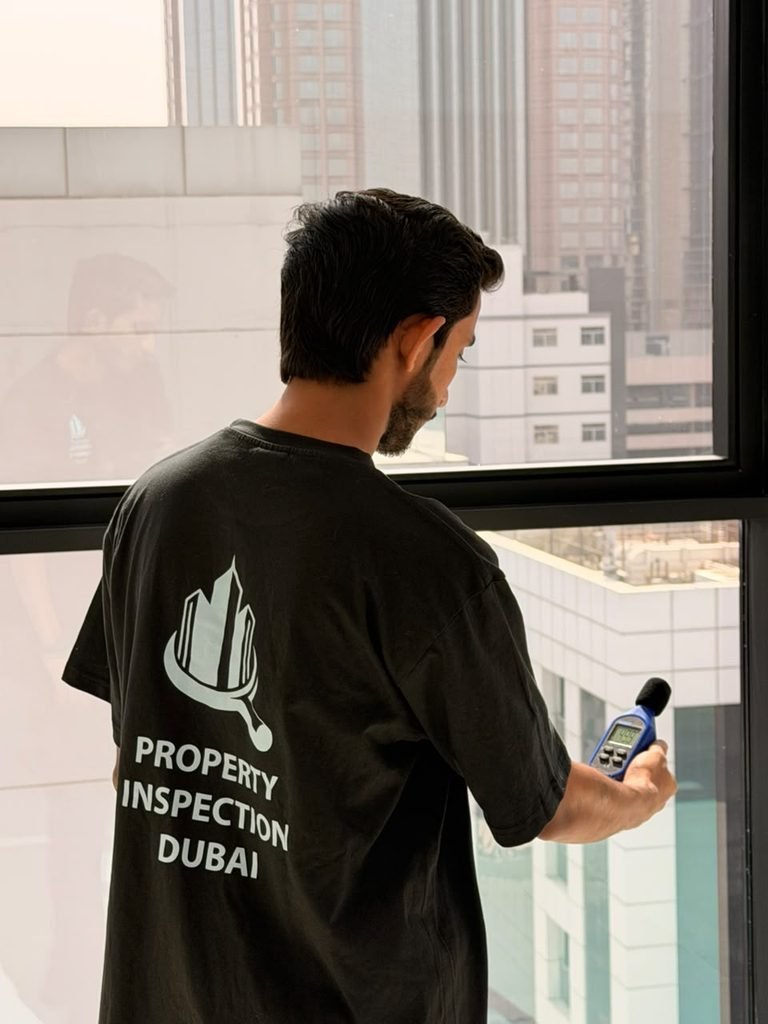
A villa usually offers more space and more individual systems, so you must plan the inspection accordingly.
Villa snagging can cover the internal rooms as well as accessible external areas such as terraces, balconies, garages, boundary areas, outdoor finishes, and other features depending on the property.
A villa inspection may also require more attention to drainage, waterproofing, external walls, doors, windows, AC systems, electrical installations, and other building elements.
A larger property should not simply be treated as a collection of small rooms. The inspection needs to consider how the different systems and areas work together.
What Does a Professional Snagging Inspection Look For?
A good inspection is more than walking around with a checklist.
The inspector should work through the property systematically and record defects in a way that another person can understand later.
Walls and Ceilings
Inspectors can look for cracks, uneven finishing, paint defects, stains, water marks, damaged plaster, and other visible issues.
Floors and Tiles
Flooring can be checked for damage, uneven installation, poor grout, gaps, and other finishing problems.
Doors and Windows
Doors and windows should be checked for alignment, operation, locks, seals, visible damage, and other installation issues.
Kitchen and Cabinets
Cabinet doors, drawers, worktops, sinks, taps, fittings, and applicable appliances can be checked for installation and functional issues.
Bathrooms
Bathrooms deserve particular attention because water-related problems can cause damage if they remain unresolved. Inspectors can check accessible plumbing fixtures, drainage, sealant, visible leaks, and other signs of poor installation.
Electrical Systems
Accessible switches, sockets, lights, and other electrical components can be checked for visible defects and appropriate functionality within the inspection scope.
Air Conditioning
AC performance matters enormously in Dubai. An inspection can include checking accessible components and assessing whether the system appears to be operating as expected.
For more technical concerns, specialist testing may be appropriate.
Why Professional Snagging Services Can Be Worthwhile
It is possible to inspect your own property, and many homeowners do exactly that.
The problem is that people naturally concentrate on what they can see.
A professional inspector approaches the property differently. They know which areas commonly develop problems and can use appropriate inspection equipment when required.
Depending on the scope of the service, professional snagging services may include tools such as moisture meters, thermal imaging equipment, electrical testing equipment, levels, and other inspection devices. The property and the issue being investigated determine the exact tools to be used.
The technology is helpful, but experience matters just as much. A tool can identify an unusual reading; an experienced inspector needs to understand what that reading may mean and whether further investigation is necessary.
Choosing a Property Snagging Company
There are many companies offering inspection and snagging services, so choosing a property snagging company should involve more than comparing prices.
Before booking, consider:
1. What Does the Inspection Cover?
Ask for a clear explanation of the inspection scope. A cheap inspection that excludes important areas may not offer much value.
2. Who Will Carry Out the Inspection?
Ask about the inspector’s qualifications, experience, and background in property or building inspection.
3. What Does the Report Look Like?
A useful report should be clear and practical. Photographs, locations, descriptions, and appropriate priority levels can make the findings much easier to act on.
4. Are Specialist Tools Used When Necessary?
Not every property requires advanced testing, but a professional company should know when additional equipment could help investigate a suspected problem.
5. Is Follow-Up Available?
Some defects are repaired after the initial inspection. A re-inspection helps verify whether we have resolved the reported issues.
How to Choose the Best Snagging Company
Searching for the best snagging company in Dubai can produce plenty of results. Instead of choosing based solely on a marketing claim, compare the actual service.
Look for a company that provides:
- A clearly defined inspection scope
- Experienced inspectors
- Detailed photographic reporting
- Appropriate inspection equipment
- Clear communication
- Transparent pricing
- Reasonable reporting times
- Follow-up support where required
- Experience with apartments, villas, and different property types
We should review customer reviews alongside the company’s inspection process and reporting quality, since they can be useful.
The best company for one property may not necessarily be the best choice for another. A large villa with multiple systems may need a different inspection scope from a small apartment.
Move-In Inspection: Why It Matters
A move in inspection is particularly useful for tenants and owners who are about to take possession of a property.
The purpose is to document the condition before normal occupation begins.
Take photographs of existing damage and make a note of anything that does not work properly. Walls, floors, doors, windows, kitchen fittings, bathrooms, appliances, and other fixtures should be reviewed.
For rental properties, this record can become especially useful when the tenancy ends.
Move-Out Inspection and Your Property Record
A move out inspection looks at the condition of the property when a tenant or occupant is leaving.
Ideally, the condition at move-out can be compared with the documentation created at move-in.
This can help establish whether an issue was already present or appeared during the tenancy.
A proper move-out inspection may identify:
- New wall or floor damage
- Broken fixtures
- Damaged doors or cabinets
- Plumbing issues
- Missing items
- Excessive wear or damage
- Areas requiring maintenance
Keeping good records at both ends of a tenancy can reduce misunderstandings between landlords and tenants.
Handover Is Not the End of the Process
One common mistake is to think that the inspection is finished once the snagging report has been delivered.
It is not.
The report is the beginning of the correction process.
Once the developer or contractor has addressed the defects, the inspector will recheck the property. The follow-up inspector will confirm whether the reported issues are resolved rather than merely marked complete.
This is particularly useful when several defects were identified during the original inspection.
Why Detailed Reporting Matters
A report saying “bathroom has a problem” is not particularly useful.
A stronger report identifies the exact location, describes the issue, and provides supporting photographs.
For example, instead of a vague statement about a bathroom defect, a useful report might identify poor silicone sealing around a specific fixture and show the area in a photograph.
Clear documentation makes communication easier and gives the responsible party something specific to act on.
What Should You Do After Receiving the Report?
Once you receive your inspection report:
First, read through the findings carefully.
Second, send the relevant defects to the developer, seller, landlord, or contractor.
Third, keep copies of all correspondence and repair updates.
Finally, arrange a follow-up inspection when appropriate to confirm that significant issues have been resolved.
Do not assume that a defect is fixed simply because someone says the work is complete. Where the issue is important, verify it.
Should You Use the Same Inspection for Every Property?
Not necessarily.
An apartment, villa, resale property, and newly constructed home can have very different inspection requirements.
A new apartment may need detailed snagging before handover. A resale villa may require a broader condition assessment. A rental property may benefit from move-in and move-out documentation.
This is why a good property inspection should be based on the property and the reason for the inspection rather than a one-size-fits-all checklist.
What About a Snagging Company Abu Dhabi?
Although this article focuses on property inspection Dubai, similar inspection principles apply when homeowners are looking for a snagging company Abu Dhabi.
The important considerations remain the same: inspection scope, inspector experience, reporting quality, documentation, equipment, and follow-up support.
If you own properties in different UAE emirates, make sure the company you choose actually covers the location and property type you need inspected.
Conclusion
A property can look perfect and still have problems.
That is the main reason property inspection Dubai services and professional snagging have become valuable to buyers, owners, landlords, and tenants.
Whether you need Dubai property snagging before taking the keys, apartment snagging for a new home, or a move-in or move-out inspection for a rental property, the principle is the same: understand the property’s condition, document problems clearly, and address them as early as possible.
Choosing a property snagging company should not be based only on price or claims about being the “best.” Look at the inspection process, reporting quality, experience, tools, and support you will receive.
A good inspection does not promise a completely problem-free property. A thorough inspection provides practical results: a clear view of what is right, what needs attention, and what should be addressed before a small defect becomes an expensive problem.
