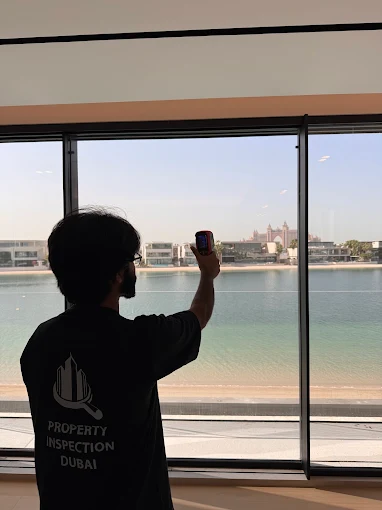
How Observing Inspection Helps Create an Accurate Snag List
Buying a new property in Dubai is an exciting milestone, whether it is a modern apartment, townhouse, or luxury villa. However, newly constructed properties often contain construction defects, finishing issues, and installation mistakes that may not be visible during a quick walkthrough.
This is where observing inspection plays a crucial role in the property snagging process.
An observing inspection allows professional inspectors to carefully examine every part of a property and identify issues before the final property handover. The findings from this inspection are compiled into a snag list, which is a detailed document listing all defects that developers must fix before the buyer accepts the property.
A well-prepared snag list protects buyers by ensuring that all problems are addressed before moving in.
What Is a Snag List?
A snag list is a document that records defects, unfinished work, or installation errors discovered during a property inspection.
It includes detailed descriptions of problems found in different areas of the property, such as:
- Walls and ceilings
- Flooring and tile installation
- Plumbing systems
- Electrical installations
- Doors and windows
- HVAC systems
- Kitchens and bathrooms
The snag list is shared with the developer, who is responsible for fixing the defects before completing the handover process.
What Is Observing Inspection?
Observing inspection is the first stage of professional property snagging. It involves carefully observing the property to identify defects, installation errors, and finishing problems.
Inspectors conduct observing inspections by examining:
- Structural components
- Interior finishing
- Mechanical systems
- Plumbing installations
- Electrical systems
During this process, inspectors record every defect they discover and document it for the snagging report.
Why Observing Inspection Is Important for Creating a Snag List
A snag list is only as accurate as the inspection behind it. Without a detailed observing inspection, many defects may remain unnoticed.
Professional observing inspections ensure that the snag list is comprehensive and accurate.
Identifying Visible Defects
Inspectors carefully observe surfaces, installations, and structural elements to detect visible defects.
Common visible defects include:
- Paint imperfections
- Tile misalignment
- Surface cracks
- Poor finishing work
These issues are documented and included in the snag list.
Detecting Hidden Problems
Some defects are not immediately obvious to homeowners. Professional inspectors know where to look and how to identify potential hidden issues.
Examples include:
- Plumbing leaks behind fixtures
- Improper waterproofing in bathrooms
- AC drainage problems
- Electrical installation errors
These defects may not be visible during a normal walkthrough but can cause major problems later.
Ensuring System Functionality
During observing inspection, inspectors test property systems to ensure they function properly.
These systems include:
- Plumbing fixtures
- Electrical outlets
- Air conditioning units
- Drainage systems
Testing these systems helps identify operational problems that must be addressed.
How Inspectors Create an Accurate Snag List
After completing the observing inspection, inspectors organize their findings into a detailed snag list.
Step 1: Property Walkthrough
Inspectors conduct a thorough walkthrough of the property, observing every room and installation.
Step 2: Defect Identification
Each defect is identified and recorded during the inspection.
Step 3: Documentation with Photos
Inspectors take photographs of each issue to provide clear evidence for developers.
Step 4: Categorizing Defects
Defects are categorized based on location and type, such as:
- Structural issues
- Finishing defects
- Mechanical system problems
Step 5: Preparing the Snagging Report
All defects are compiled into a professional snagging report, which includes detailed descriptions and images.
Common Defects Found During Observing Inspection
Professional inspectors often discover many defects during property inspections.
Some of the most common issues include:
Paint and Finishing Issues
Uneven paint, paint stains, and rough finishing.
Tile Installation Problems
Cracked tiles, hollow tiles, or poor grout finishing.
Door and Window Misalignment
Doors that do not close properly or windows with sealing gaps.
Plumbing Leaks
Leaks around sinks, toilets, and pipe connections.
AC Installation Problems
Improper drainage, poor airflow, and insulation issues.
Without professional observing inspection, many of these defects may remain unnoticed until after the buyer moves in.
Tools Used During Observing Inspection
Professional inspection companies use specialized equipment to improve inspection accuracy.
Common tools include:
- Thermal imaging cameras for detecting moisture problems
- Moisture meters for water intrusion detection
- Laser levels for alignment measurement
- Electrical testers for wiring safety checks
- Pressure gauges for plumbing system evaluation
These tools help inspectors detect defects that may not be visible to the naked eye.
When Should Observing Inspection Be Conducted?
The most important time to conduct observing inspection is before property handover.
At this stage, the developer remains responsible for correcting defects identified in the snag list.
However, inspections may also be conducted:
- During the Defects Liability Period (DLP)
- Before purchasing resale properties
- After property renovations
- Before renting or leasing a property
Conducting inspections at the correct stage ensures defects are addressed promptly.
Why Professional Snagging Inspectors Are Important
Although buyers may attempt to inspect properties themselves, professional inspectors have the training and experience needed to detect hidden defects.
Professional inspectors provide:
- Technical knowledge of construction standards
- Advanced inspection tools
- Detailed snagging reports
- Independent evaluation of property condition
This ensures that the snag list accurately reflects the property’s condition.
Final Thoughts
An accurate snag list is essential for ensuring that newly constructed properties meet expected quality standards. Without a professional observing inspection, many defects may remain undetected until after the buyer moves in.
Observing inspections help identify problems early and allow developers to correct defects before the property handover.
For property buyers in Dubai, conducting a professional inspection is one of the most effective ways to protect their investment and ensure their new home is delivered in proper condition.
Property Inspection Dubai – Professional Snagging Experts
At Property Inspection Dubai, we provide professional observing inspection and property snagging services across Dubai and the UAE. Our experienced inspectors conduct detailed inspections to identify defects before property handover.
Using advanced inspection tools and systematic inspection methods, we carefully evaluate every part of your property.
Our inspection reports are delivered within 12 hours, helping buyers quickly communicate issues with developers.
We are fully certified by DED, approved by RERA, and proudly InterNACHI-accredited — providing trusted, precise, and professional snagging inspections across the UAE.
📞 Book your inspection today: +971 56 378 7002
🌐 Website: propertyinspectiondubai.ae
