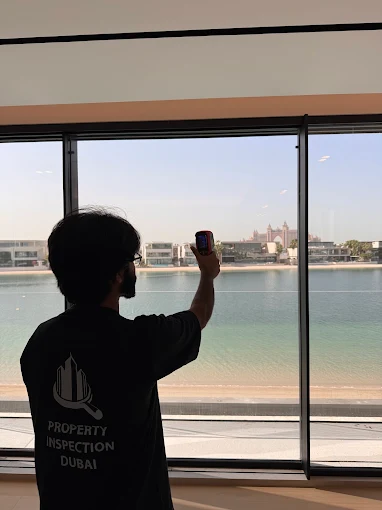
Buying a new home in Dubai feels reassuring fresh paint, new fittings, and a smooth handover process. Yet many homeowners discover serious issues weeks or months after moving in, long after acceptance papers are signed. At Property Inspection Dubai, a significant number of inspections are requested after occupants experience problems. This blog explains the hidden defects that don’t show on handover day, why they appear later, and how early property inspection prevents expensive post-move-in repairs.
Why Some Defects Don’t Appear During Handover
Not all defects are immediately visible. Many require:
- Continuous usage
- Load stress
- Environmental changes
- Seasonal conditions
Handover inspections are brief and static. Real defects often reveal themselves only when a property is lived in.
1️⃣ AC Problems That Appear After Summer Starts
Dubai’s extreme heat exposes cooling system weaknesses very quickly.
Common post-move-in AC issues:
- Insufficient cooling in certain rooms
- Uneven airflow between spaces
- AC water leakage above ceilings
- Condensation forming around vents
- Incorrect thermostat calibration
These problems usually arise after prolonged usage, not during handover testing when ACs run briefly.
Root causes often include:
- Poor duct insulation
- Incorrect duct sizing
- Improper slope for drainage
- Weak return air design
2️⃣ Water Leaks That Show After First Rain or Usage
Waterproofing failures are among the most expensive hidden defects.
Areas most affected:
- Bathrooms
- Balconies
- Rooftop slabs
- Window perimeters
- Kitchen plumbing joints
Why they appear late:
- Initial dryness masks poor waterproofing
- Pressure changes expose weak joints
- Rainfall reveals slope and sealant failures
By the time stains appear, damage may already be inside walls or ceilings.
3️⃣ Electrical Issues Triggered by Daily Living
During handover, electrical checks are basic—lights turn on, sockets work. But real risks appear under load.
Common delayed electrical defects:
- Circuit breakers tripping frequently
- Overheating sockets
- Loose internal wiring
- Poor earthing
- Incorrect breaker ratings
These defects often become evident only when appliances like ovens, washing machines, or multiple ACs run simultaneously.
4️⃣ Plumbing Pressure & Drainage Failures
Plumbing systems behave differently under daily use.
Typical move-in discoveries:
- Low water pressure during peak hours
- Slow drainage in showers
- Gurgling sounds from pipes
- Backflow odors
- Hidden pipe leaks behind walls
These issues may not show during a short handover test but become obvious once the home is fully occupied.
5️⃣ Tile & Flooring Defects That Reveal Themselves Over Time
Flooring often looks perfect on day one.
Common hidden flooring defects:
- Hollow tiles (poor adhesive coverage)
- Tile cracks after minor impact
- Uneven tile alignment causing trip hazards
- Grout cracking due to movement
These defects emerge as the structure settles or under daily foot traffic.
6️⃣ Window & Door Issues After Weather Exposure
Windows and doors are heavily affected by heat, humidity, and pressure changes.
Problems that appear later:
- Air leakage
- Water seepage during rain
- Difficulty closing or locking
- Misalignment due to frame movement
Poor installation tolerances often pass visual checks but fail performance testing.
7️⃣ Hairline Cracks That Widen Over Time
Fresh paint hides early cracks. Over weeks or months, these cracks reappear.
Causes include:
- Structural movement
- Poor plaster curing
- Inadequate joint treatment
- Thermal expansion
While some cracks are cosmetic, others indicate deeper workmanship issues.
Why These Defects Are Costly After Move-In
Once you move in:
- Access becomes restricted
- Repairs disrupt daily life
- Developers may dispute responsibility
- DLP timelines may expire
Repairs also become more expensive because finishes must be dismantled.
How Independent Property Inspection Prevents These Surprises
Professional inspections use tools and methods beyond visual checks, such as:
- Thermal imaging to detect moisture
- Electrical load testing
- Water pressure testing
- Alignment and tolerance checks
- Detailed photographic documentation
These inspections identify future failures, not just current ones.
When Is the Best Time to Inspect?
To avoid hidden post-move-in defects:
- Before accepting handover
- Before final payment
- During Defects Liability Period (DLP)
- Before furniture installation
Early inspection gives buyers leverage and clarity.
Real-World Pattern Seen Across Dubai Properties
Across villas, apartments, and townhouses, the same pattern repeats:
- Property looks perfect on day one
- Issues emerge within months
- Repairs become owner responsibility
- Inspection is requested too late
This is preventable.
Conclusion
Many of the most expensive defects in Dubai homes are invisible during handover and only surface after daily living begins. Cooling stress, water pressure, electrical load, and environmental exposure reveal what paperwork and visual checks miss. Independent property inspection identifies these risks before they affect comfort, safety, and finances. The right time to inspect is before problems force you to act.
Call to Action
If your home is newly handed over—or you’ve already moved in—don’t wait for defects to appear.
Property Inspection Dubai delivers professional, independent inspections that uncover hidden issues before they become major repairs.
👉 Inspect early
👉 Protect your investment
👉 Move in with confidence
