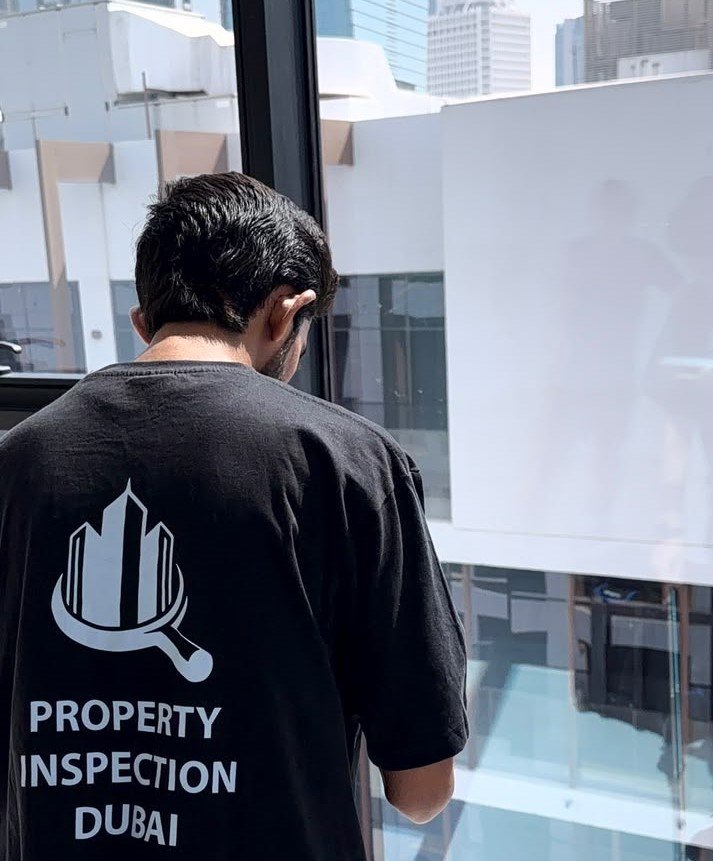
Commercial space in Dubai can look perfect on a viewing. The lobby is polished, the lights are on and the AC is cold. But a viewing doesn’t tell you whether the chillers are near the end of their life, whether the roof leaks every winter, or whether the fire alarm system will pass a Civil Defense check. That’s what a commercial property inspection in Dubai is for. It gives you a clear, independent picture of the building’s condition before you commit to a purchase, a five-year lease or an expensive fit-out. When done correctly, it can help you avoid repair costs, delays, and uncomfortable disputes with landlords later on.
This guide walks through what to check in offices, warehouses and fit-outs. It’s written for first-time tenants and experienced investors alike, and for the agents who advise them. If you’d rather have experts do it, our commercial property inspection team covers all of Dubai.
What Is a Commercial Property Inspection, and When Do You Need One?
Commercial building inspections involve a detailed, non-invasive check of the building, external envelope, MEP services and fire/life safety. A report is then produced with photographic evidence showing the priority issues.
There are differences between commercial and domestic building inspections. Systems within commercial buildings will be larger and more complicated. Regulations will be much more strict and business disruption is far more costly. If an air conditioning unit fails in a villa the discomfort may be significant but in a data room or cold store, business operations could be halted completely.
The most common times to book one are:
- Before buying an office, shop, showroom or warehouse. A pre-purchase inspection tells you what you’re really paying for and gives you room to negotiate.
- Before signing a lease, so existing defects are recorded and you aren’t blamed for them when you move out.
- Before and after a fit-out, to check the base building first and the contractor’s work at the end.
- At the end of a lease, to agree on the condition for reinstatement and the security deposit.
- For portfolio or lender reviews, when investors need an objective view of condition and future costs.
1. Structure, Facade and Roof
Start with the bones of the building. These are the most expensive problems to fix, and they’re often the ones landlords are least keen to mention.
- Columns, beams and slabs: look for cracks, exposed or rusting steel, spalling concrete and signs of past patch repairs. In older buildings near the coast, salt air can corrode the reinforcement.
- Floors: check that they’re level and can carry the load you plan to put on them. This matters a lot for server rooms, heavy filing, gyms and racking.
- Facade and glazing: check cladding panels, curtain wall seals and window gaskets. Failed seals let in dust, heat and rain.
- Roof and terraces: check the waterproofing, the drainage outlets and any pounding. Dubai’s rare heavy storms show very quickly whether a roof was done properly.
- Basement and car park: look for water seepage, cracks and efflorescence (white salt stains).
If there are any doubts about structural movement then ask for a dedicated foundation and structural inspection before you commit.
2. MEP: Electrical, HVAC, Plumbing and Drainage
MEP systems are where most of the running costs and breakdowns in commercial property come from. A good inspection tests them rather than just looking at them.
Electrical
- Main and sub distribution boards: labeling, signs of overheating, loose terminations
- Thermal scan of panels to catch hot spots before they become failures
- Earthing and residual current protection
- Spare capacity, if you’ll add servers, kitchens or machinery
- Emergency lighting and UPS, where provided
HVAC and cooling
In Dubai, cooling is the big one. Check the age and condition of AC units, fan coil units and ducts, and measure the supply air temperature at the outlets. Ask whether the building is on district cooling, because that affects your monthly bills and contract terms. Look inside ceiling voids for condensate leaks and dirty filters.
Plumbing and drainage
Inspect water pressure, washroom fixtures, pantry plumbing, and drains for low flow or unpleasant odors. Use thermal imaging and moisture meters to detect concealed leaks, particularly above false ceilings.
Long-term damp in ceiling voids and wall cavities can lead to mold, which affects staff health and indoor air quality. If you see staining or smell mustiness, a mold inspection is worth adding.
3. Fire and Life Safety
Buildings must meet the UAE Fire and Life Safety Code of Practice. Building owners should have a maintenance agreement in place with an approved company by the Civil Defense. They also need a fire safety log book to record testing and issues. Any fit out work must be approved by the Civil Defense prior to being used.
A commercial inspection does not replace a Civil Defense inspection, however, it will give an indication of any potential issues. In order to do this please check:
- Fire alarm panel status: no active faults or disabled zones
- Smoke and heat detectors, sprinklers and their coverage after any layout changes
- Fire extinguishers and hose reels, with in-date service tags
- Fire-rated doors that close and latch properly, and aren’t wedged open
- Emergency exits and escape routes that are clear and signed
- Emergency lighting that works when tested
- Recent maintenance records and the current maintenance contract
Ask the landlord or seller for the latest maintenance records. If they can’t produce them, treat that as a warning sign.
Access and general safety
Also check the lifts and their maintenance certificates, balustrades, staircases, accessible toilets and ramps, and the condition of the car park and loading areas.
Office Inspection Dubai: What to Look For
Whether it’s a small unit in Business Bay or a full floor in DIFC, an office inspection in Dubai should focus on the things that affect daily work and your exit costs at the end of the lease.
- Ceilings and raised floors: lift a few tiles. Look for leaks, loose cabling, missing fire stopping and pest activity.
- Cooling comfort: measure the temperature in corner offices and meeting rooms. West-facing glass is often the hottest spot.
- Power and data: check the number and position of sockets, floor boxes, the comms room and its cooling.
- Washrooms and pantry: look for leaks, extraction fans, water pressure and drainage.
- Natural light and glare: check window film, blinds and any condensation between glazing panes.
- Existing fit-out condition: record every scratch, stain and broken item with photos. Many tenants lose part of their deposit because nobody recorded the condition on day one.
For leased offices, include the inspection report with the tenancy contract or handover note to document the agreed condition at the start of the lease.
Warehouse Inspection Dubai: What to Look For
Warehouses in areas like Al Quoz, Jebel Ali, Dubai Investments Park and Al Qusais work hard, and so do their buildings. A warehouse inspection in Dubai should cover:
- Floor slab: cracks, joint damage, uneven areas and how much load it can carry for racking and forklifts.
- Roof sheeting and gutters: rust, loose fixings, gaps and blocked gutters. Leaks over stored goods are expensive.
- Wall cladding and insulation: gaps let in heat and dust and raise cooling costs.
- Loading docks and shutters: dock levelers, roller shutters, bumpers and their motors.
- Racking: if racking is included, check for bent uprights, missing beam locks and anchor bolts.
- Ventilation and cooling: exhaust fans, temperature-controlled zones and cold rooms.
- Fire protection: sprinkler coverage above racking, fire alarm zoning and clear access for Civil Defense vehicles.
- Drainage and yard: surface water drainage, oil interceptors and the condition of the yard surface.
- Pests: rodents, birds and termites love warehouses. A termite inspection is worth adding if there’s timber or stored paper goods.
If the warehouse comes with an office mezzanine, inspect it like a small office, and check that the mezzanine structure was approved.
Commercial Fit Out Inspection Dubai: Before and After
A fit-out is often the biggest single spend a business makes on its premises. A commercial fit out inspection in Dubai happens in two stages, and both matter.
Before the fit-out
Check the shell-and-core or existing space first, so you know what the landlord must fix before your contractor starts. This is the same idea as a pre-handover inspection: record the base building’s condition, test the services you’ll connect to, and agree on the defects in writing. Otherwise you may end up paying to fix the landlord’s problems.
After the fit-out
Once the contractor says the job is done, inspect before you sign the completion certificate or release the final payment. Check:
- Partitions, ceilings, flooring and joinery finishes
- Doors, ironmongery and glass partitions
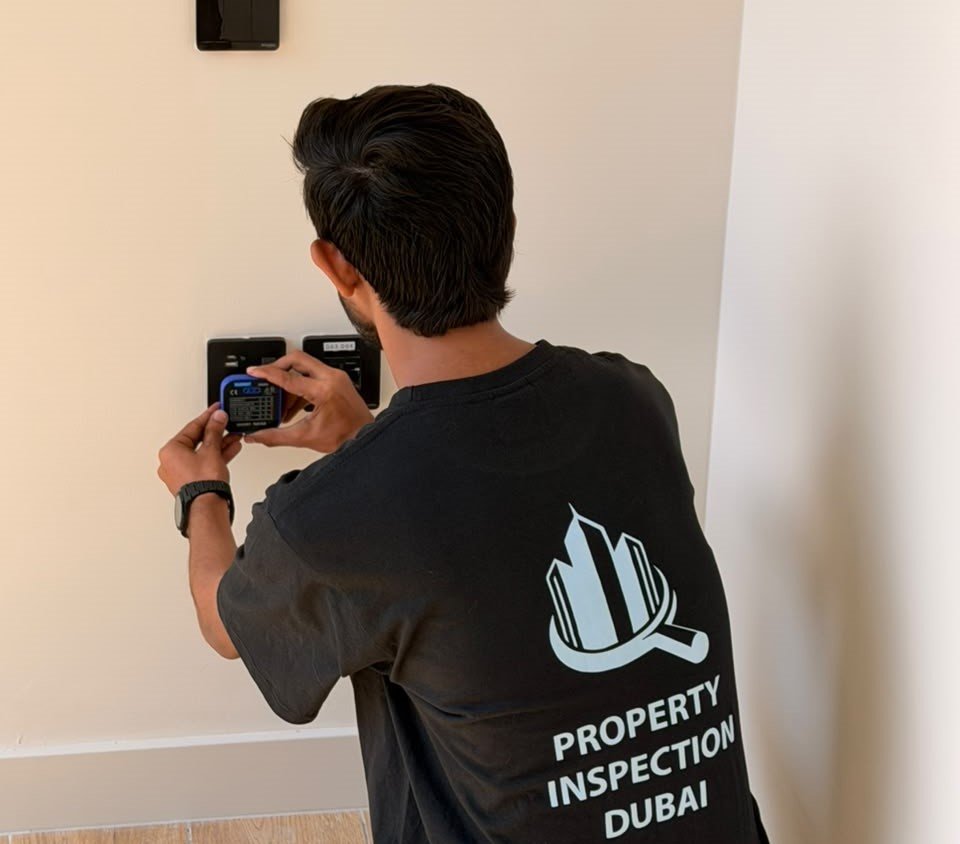
- New electrical circuits, lighting and data points, tested
- AC balancing: does every room reach the set temperature?
- Plumbing in pantries and washrooms, with leak tests
- Fire alarm, sprinkler and emergency lighting changes, and Civil Defense approval
- As-built drawings, warranties and operation manuals handed over
The snag list from this inspection becomes the contractor’s punch list. Then use a post-handover inspection during the defects period to catch anything that appears in the first months of use.
How to Choose a Property Inspection Company for Commercial Work
Not every property inspection company has the experience for commercial buildings. Before you book, ask:
- Have you inspected this type of property before? Ask for examples of offices, warehouses or retail units.
- Who will do the inspection? Look for certified inspectors, for example InterNACHI-certified professionals, with MEP knowledge.
- What equipment do you use? Thermal cameras, moisture meters, electrical testers, airflow meters and bore scopes should be standard.
- What does the report look like? You need more than a list: provide photos, locations, a severity rating, and clear recommendations.
- How fast is the report? Commercial deals move quickly. A clear turnaround time should be agreed before the visit.
- Is the inspector independent? They shouldn’t be linked to the landlord, seller or fit-out contractor.
At Property Inspection Dubai, our InterNACHI-certified team carries out commercial inspections across Dubai. For buildings you already own or manage, a regular maintenance inspection helps you plan repairs before they turn into breakdowns.
Frequently Asked Questions
What does a commercial property inspection in Dubai include?
It usually covers the structure, facade and roof, the MEP systems (electrical, HVAC, plumbing and drainage), fire and life safety, lifts and access, and the condition of finishes. You get a written report with photos and recommendations.
How long does an office inspection in Dubai take?
A small office of a few hundred square meters usually takes a few hours. A full floor or a multi-floor building can take one or more days.
Is a warehouse inspection in Dubai different from an office inspection?
Yes. A warehouse inspection focuses more on the floor slab, roof sheeting, loading docks, racking, ventilation and high-hazard fire protection. Office inspections focus more on cooling comfort, ceilings, power and data, and finishes.
How many times should we visit the site?
It is best to carry out two surveys. One at the beginning of the project to establish the pre-fit out conditions, and one once works are completed by your contractor but prior to final sign off and payment.
Is it an alternative to the inspection by Civil Defense?
No. Approval from Civil Defense is a separate legal requirement. The aim of an independent inspection is to allow likely problems to be rectified prior to the official inspection.
Do you inspect residential properties too?
Yes. You can see the full list of our services, from apartments and villas to commercial buildings.
Final Thoughts
Getting a Commercial Inspection in Dubai is a cost-effective way to understand what you’re getting into, strengthen your position in any negotiations, and ensure that the correct party is held accountable for making necessary repairs.
If you are renting a new office space, purchasing a warehouse or approving a new fit out, then the items listed above are a good place to start. However, for an independent professional opinion, get in touch with us at Property Inspection Dubai.
Book an inspection or call or WhatsApp +971 56 378 7002 to discuss your commercial property inspection.
