
Searching for the best inspection company in Dubai brings conflicting confident claims and sparse useful comparisons. Every website promises to be the best. How do you actually choose? This guideline covers what to look for, what questions to ask and what to avoid when looking for a good provider. It covers the most common needs, from handover inspection on a new build, to move out inspection at the end of a tenancy. Read it before you book, to understand what makes a good provider.
Why Choosing Carefully Matters in Dubai
Dubai’s property market is fast-paced and developers hand over hundreds of new apartments, townhouses and villas every year. Buyers have a short window to report issues with their new property and a house that passes inspection on handover day may have hidden leaks, weak AC ducts, inadequate waterproofing and a host of other unperceived tasks left over. Most of these cost significantly more to return to the developer than to complete on your behalf.
A professional property inspection offers evidence and turns a gut feeling that something may be wrong to a documented list for a developer or contractor to address. However, the weight of documentation delivered by an inspection depends entirely on who writes it. A rushed inspection with vague report may do more harm than none, by giving you a false sense of security. Which is why the choice of provider matters so much.
There Is No Single Best Inspection Company
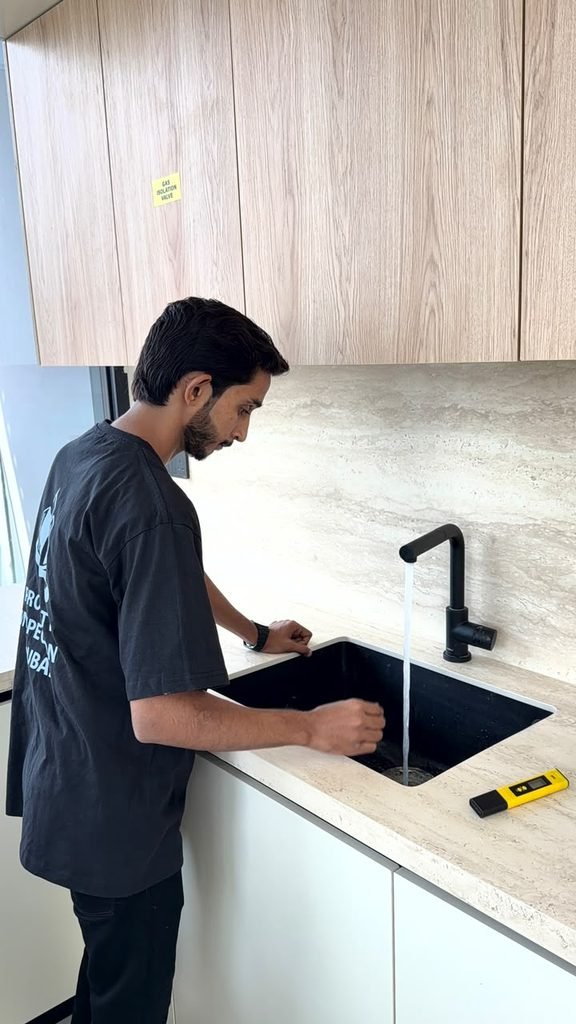
The best provider for a new villa inspection isn’t always what you need for a rental move-out inspection. A good property inspection company fits your property and fits in with your budget and schedule. So don’t look for a universal winner but look for the provider that best suits your need and can back up what it claims.
Think about what you need first and ask the right questions. Are you taking over a new property? Buying a resale? Moving into or out of a new rental? Each situation has a different scope of work and the right inspection company Dubai residents choose will explain the differences without having to be asked. If a provider offers the same package to everyone it’s a sign to look elsewhere.
Check the Credentials You Can Verify
Anyone can call themselves an inspector, so ask who certifies the people that will walk through your property. InterNACHI, for example, has a public directory of their certified inspectors, available to anyone who wants to spend 5 minutes verifying a name and credential. A company that makes verification easy has little to hide. Ask about the individual inspector, not just the company. A firm may hold a reputable credential but send less experienced people to your property. Request the name and qualifications of the person that will be carrying out the visit. Also, ask for the company’s trade license in the UAE as proof of a valid business presence. Be wary of any claims you can’t verify, perhaps a regulatory approval mentioned only in marketing copy. If it affects your decision, ask for proof.
Look for Experience With Your Property Type
A high-rise apartment and a multi-story villa are worlds apart. The former has finishes, joinery, plumbing, electrics, AC and moisture checks around wet areas. The latter adds roofs, boundary walls, drainage, outdoor spaces and sometimes pools to its scope. A townhouse falls somewhere in between.
Ask how many properties like yours the team has seen and in which communities. An inspector experienced with common defects affecting your property finds problems faster, as they understand the tendencies of developers. Experience will also shine through in the way defects are communicated, including how serious they are and what to do next.
Get the Scope in Writing
Scope is where cheap quotes hide their compromises. One company may look at every room, test accessible fixtures and examine the exterior. Another may give a quick visual walk-through at a lower price. Both can call it an inspection but they represent very different services.
Ask for the scope in writing before you pay for anything. It should say what areas the inspector will cover, what tests they will carry out and what they won’t examine. Check that plumbing, electrics, AC, waterproofing-related checks and exterior areas are present where they should be. Also find out what happens when something can’t be reached or tested, such as a locked room or unavailable utility. A clear scope protects you from misunderstandings on either side, and makes quoting fairly easier.
Understand What Inspection Tools Can and Can’t Do
Modern inspections use equipment that helps an inspector see what the eye can’t. Thermal imaging cameras can see temperature patterns that indicate moisture and insulation gaps. Moisture meters show how much water a wall or floor holds. Electrical testers check circuits without anyone opening a panel. These all add value to an inspection.
The same equipment has its limitations. A thermal image isn’t a proof of a defect and a moisture reading doesn’t say where the water is coming from. Both require a skilled person to interpret them. Don’t be fooled by companies touting every gadget they have, ask what the equipment can confirm, what it can’t and when a specialist should be called upon. An honest answer will tell you more about the provider than their equipment list.
Ask to See a Sample Report
The report is what your inspection ultimately delivers. The inspection itself is a few hours but the report is what gets used for weeks or months afterwards. Always ask for a sample before you book.
A good report names each defect separately, shows exactly where it is and includes a clear photo. It describes the problem in plain language and says whether it needs urgent attention or further investigation. A bad report says things like “poor finishing” or “bathroom issue” and leaves the developer to guess. Check that the report is easy to share, since you will almost certainly forward it to a developer or contractor. Also ask how the company separates defects that can be seen from concerns that specialist testing is required for. A report that admits what it couldn’t confirm is more trustworthy than one that pretends to know everything.
When You Need a Handover Inspection
A handover inspection takes place before you can accept the keys to your new property. The inspector documents any defects, unfinished works or faulty fittings so they can be repaired before you move in. This is where you have the most leverage, as the developer wants the handover to go smoothly.
Book the inspection early and remember that developers set a window for reporting defects. Also check that utilities such as water and electricity are connected, as an inspector can’t test what isn’t running. After the inspection, submit the report to the developer’s official channel and keep a copy of everything. Once the developer has made all the repairs and you are satisfied, a follow-up visit can confirm that every item was addressed. A repair marked “complete” isn’t always complete.
What a Villa Inspection Involves
A villa has more surface area and more systems than most apartments, which make a proper villa inspection longer and more extensive. Inside, the inspector works through finishes, doors, windows, kitchens, bathrooms, electrics and AC across every floor. Outside, the visit may include the roof where accessible, boundary walls, driveways, drainage points, external paint or rendering and pool equipment.
Exterior areas should be given extra attention, as defects there tend to affect the building’s drainage system and outer surfaces. Standing water near the base of a wall, cracked paving and poorly sealed joints often point to issues that get worse over time. A good inspector adapts the checklist for your villa rather than using a standard apartment list. Ask how the company handles features such as pools, landscaping and multiple AC areas, as these often require closer examination.
What an Apartment Inspection Involves
An apartment inspection focuses on the unit and serves it as well as its systems. The inspector checks walls, ceilings, floors, doors, windows, joinery and kitchen and bathroom fittings. They run taps, check drainage and look for leaks and sealant gaps. They also test accessible electrical points and see how the AC performs.
Moisture demands attention in apartments, as bathrooms, balconies and window frames are common places for water to get in. A stain on a ceiling may come from a unit above. If a defect comes from a shared building element or an area you can’t access, the report should say so, as that issue may go to building management instead of the developer. Small defects add up quickly in a smaller space, so a room-by-room approach matters.
Move In Inspection and Move Out Inspection
Inspections aren’t just for buyers. Tenants and landlords also benefit, as a move in inspection records the property’s condition on the first day of tenancy. The inspector takes time and date stamped photos and notes any marks, damage and faults for reference later.
A move out inspection compares the property against that record at the end of tenancy. This move-out inspection helps settle deposit questions fairly, as an impartial report shows what changed and what didn’t. It also separates normal wear from real damage, which gives both parties a clearer basis for any deductions. Because the two inspections work best as a pair many people book them together at the start of a lease.
Red Flags to Watch For
Avoid any company that promises to find every defect, as no inspection can guarantee that. Concealed pipes, cables and waterproofing layers can’t be tested without invasive work. Watch out for companies that refuse to show a sample report or explain their scope clearly.
A very low quote can also be a warning, as it may reflect a rushed visit or narrow checklist. Be wary of credentials you can’t verify and anyone that pushes you. A reliable company explains its process and patiently answers your questions. Finally, be careful with “best” and “number one” claims that come with no evidence. Look for independent reviews that mention specific properties and details.
Questions to Ask Before You Book
When you call, ask who will carry out the inspection and what qualifications that person has. Ask what the inspection covers, what it leaves out and what equipment the inspector uses. Find out how and when you will receive the report, in what format. Confirm that a re-inspection after repairs is available, and if it costs extra.
Then ask about the quote. What exactly does it include? Does the price change with the size of the property? Are there extra charges for travel, follow-up visits or additional services? A provider that answers these questions clearly and without hesitation is usually one worth trusting. If the answers are vague, keep looking.
How to Think About Price
Price matters but shouldn’t be your only filter. Inspection fees usually depend on the size and type of the property and the scope of the service. A lower price can be perfectly fair for a smaller unit. It can also hide a narrower inspection, so compare what’s actually included before comparing numbers.
Think about the cost in context, as a thorough inspection costs a fraction of what major repairs can cost after you’ve moved in. It also gives you evidence that developers and landlords take seriously. The cheapest option rarely gives you the best value and the most expensive option isn’t always better. Choose the provider whose scope and reporting meet your need.
How Property Inspection Dubai Works
We’re one option out of many and what we offer is for you to decide, as we recommend comparing us on the same points. Property Inspection Dubai is an inspection company Dubai buyers, owners and tenants contact for handover, villa, apartment, per-purchase, post-handover and maintenance inspections. Our inspectors hold InterNACHI certification and each credential can be verified against the issuing body.
We use thermal imaging, moisture meters and electrical test equipment on our inspections and our reports include annotated photos and clear descriptions in Spectator format for passing to a developer or contractor. We’ve inspected more than 44,000 properties across the UAE. If another provider fits your property better it’s a totally reasonable outcome. What matters is choosing with evidence.
Ready to Book Your Inspection?
Choosing the best inspection company comes down to fit, proof and clear communication. Check the credentials, read a sample report, get the scope in writing and ask direct questions. Then book early, especially for a handover inspection, so you have time to act on what the report finds.
Call or WhatsApp +971 56 378 7002, or request a quick quotation on our website and tell us your property type, area and size, and we’ll recommend the inspection that best suits your situation.
