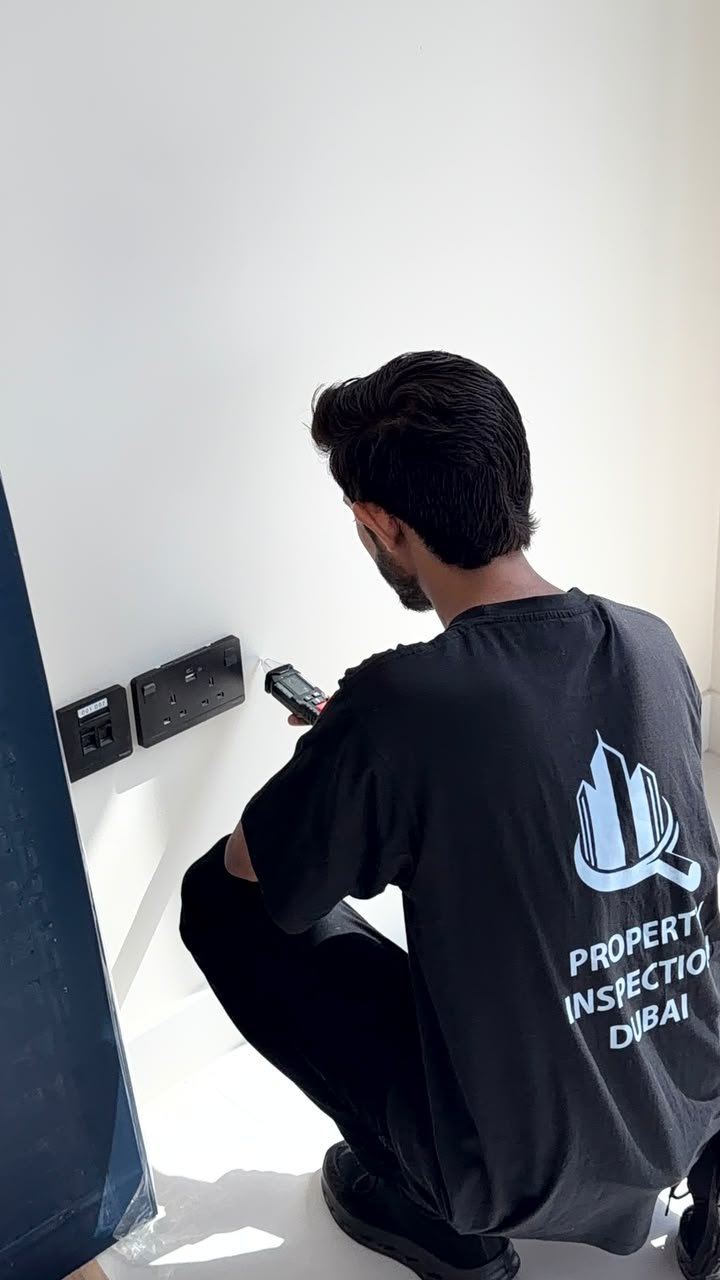
Choosing the Right Tools for a Property Inspection. Tools for a home inspection can influence surveying a property before handover. They matter when entering a new home or buying a resale apartment or villa. At first glance, everything may seem fine, but subtle issues can still escape review. Inspectors often miss moisture, blemishes, plumbing, electrical, and drainage defects during a rushed visual survey. For a buyer or owner arranging a property check in Dubai, buyers can rely on qualified inspectors. It is important to know which tools an inspector has access to. It also matters to understand what each tool can and cannot identify.
A proper home inspection goes beyond a casual walk around the house counting cracks. Different tools let a qualified inspector investigate various issues and shortcomings. Equally importantly, an inspector analyses the identified problems and documents them all for review. Such a meticulous approach is especially important. It helps when a property owner evaluates a brand new apartment, townhouse, or villa for snagging.
Focus on identifying concerns and understanding their nature and implications. Document them in sufficient detail to enable the property owner to act. This will support all necessary follow-up actions.
Why Home Inspection Tools Matter During a Property Check
Some issues are easy to spot, such as chipped tiles, pitted counter tops, or a malfunctioning door mechanism. However, you need the right equipment to identify a number of potentially serious concerns. Hidden moisture, faulty electrical outlets, and improperly functioning AC mechanisms are examples of issues. We may suspect these issues, but we must verify them.
Home inspection tools allow the inspector to conduct the necessary tests and investigations. A moisture meter can help determine the nature and scope of a possible damp spot. The inspector can verify that the installer installed the detail correctly. Tools can highlight only certain aspects of the problem. The inspector should identify the actual causes.
Meter readings may appear suspicious, and thermal images may show unusual spots. The context remains crucial for spotting possible issues. We should cross-reference the findings with the property’s overall condition and analyze them in isolation from other contributing factors.
A home inspection Dubai homeowners normally arrange should therefore combine the use of the right tools with a methodical inspection process.
1. Moisture Meter for Spotting Suspected Dampness
A moisture meter is an indispensable tool for confirming the presence of damp spots or hidden moisture. Meter types determine which findings inspectors identify. Therefore, ask for an inspection report outlining the findings in detail. During an on-site survey an inspector may use the tool to investigate suspected dampness in the following places:
Bathrooms include the walls and the ceiling behind the wet areas.
• Kitchens – around the plumbing;
• Around the windows;
Ceiling areas in rooms with wet conditions should be checked for moisture.
• Walls painted with paint or other finish that may hide the problems.
Inspectors should note that damp spots are not always a major issue. If someone painted the wall or ceiling recently, the meter may read suspiciously and reflect only the top paint layer. The inspector should evaluate each case individually and document all concerns for review.
2. Thermal Imaging Camera for Reading Temperature Differences
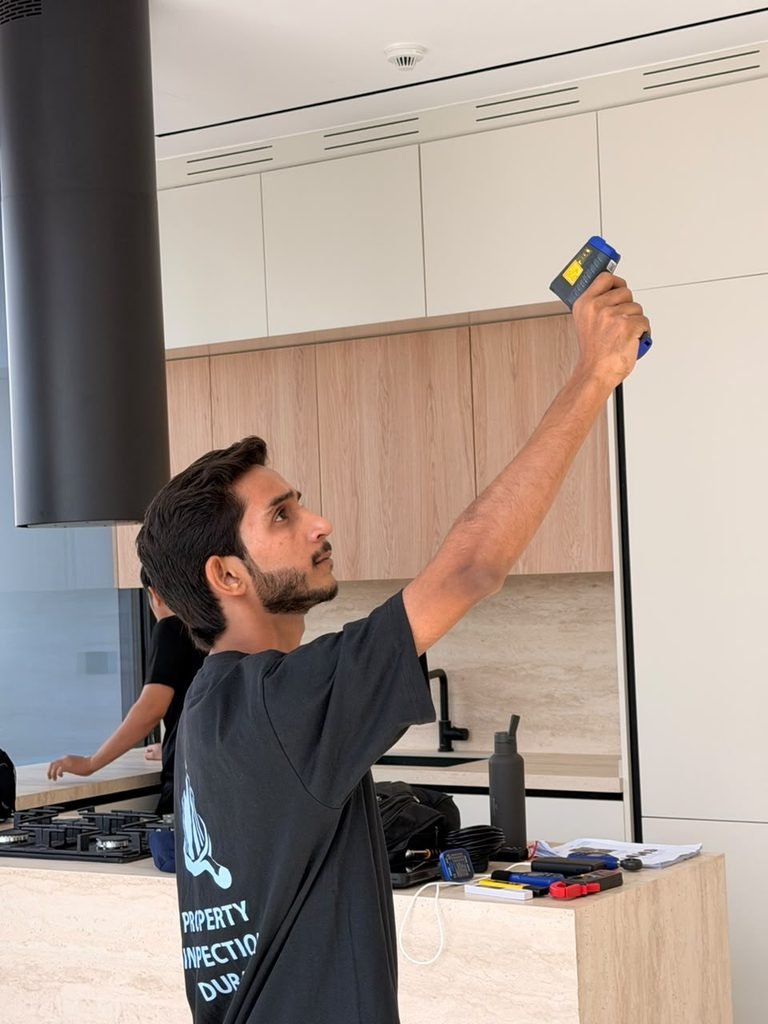
A thermal imaging camera highlights cold and warm spots. It is a great tool for identifying issues suspected during an inspection. Property owners may notice damp spots or a wet patch on the ceiling. The camera then shows abnormal temperature readings across the wall or ceiling. These readings help identify the source of the problem.
Thermal imaging is also useful when a room feels colder than the rest of the house. That condition can indicate a possible insufficiently insulated window. Inspectors can use the camera to assess the general condition of the AC units and identify issues within reach. A thermal imaging device aids thorough property surveys. Dubai homeowners may endorse it for comprehensive inspection work. It matters most when parts of the job involve difficult-to-access areas.
A thermal imaging camera cannot see through walls. It may only highlight obvious issues. Abnormal readings around a pipe could signal a leak. We must conduct a further investigation to confirm suspicions and determine the root cause.
3. Spirit Level for Verifying Alignment of Selected Surfaces
The spirit level is a simple yet essential home inspection tool that helps identify minor inconsistencies within reach. An inspector will typically use a spirit level. During inspection, the device checks whether a surface is aligned horizontally or vertically. The inspector confirms the detail’s correct installation. In newer developments a slight slope in a counter top or a cabinet may indicate a much bigger issue. In older buildings the same findings may be completely normal.
A spirit level comes in handy when the visual survey highlights unusual slopes or uneven edges of surfaces. It is important to determine whether a slope is intentional. Examples include a bathroom floor drain or a kitchen slope that directs water for easier cleaning. We document suspected issues thoroughly, investigate them, and review them before adding them to the snagging list for Dubai property inspections.
4. Flashlight and Inspection Mirror for Seeing Around Obstacles
Not all helpful tools are electric. A flashlight can make a surprising difference during a visual survey in poorly lit areas. The tool is indispensable when looking around sinks or under cabinets, as well as in other hard-to-reach places. An inspector may need an inspection mirror to see around obstacles. In most cases, a flashlight will allow the inspector to spot potential concerns.
A flashlight can highlight several minor issues. These include sealant problems, minor blemishes, and plumbing concerns. Inspectors must examine other imperfections more closely to see them. Lighting is crucial in a visual survey. A dark area reveals problems when viewed from another angle. Therefore, a flashlight is not only a tool but also an essential part of the inspection process.
A flashlight cannot replace a more thorough visual survey, so comprehensive inspection remains essential. The tool highlights potential concerns, but it may take longer to spot a problem in a poorly lit room. Review all surfaces from multiple angles. This ensures complete visibility during a property survey.
5. Electrical Testing Equipment for Spotting Potential Concerns
We cannot test electrical equipment during a general survey; a qualified electrician should identify potential issues. Still, a visual inspection of the accessible areas can highlight some concerns, which is why electrical testing equipment can come in handy. The inspector will use the tools to test the identified outlets, circuits, and connections within the agreed scope of work.
A general visual survey can reveal potential electrical concerns. It may show cracked outlet covers, faulty connections, missing cover plates, and nonfunctional switches. A qualified electrician should address more serious issues. A property owner should never inspect electrical switch gear, outlets, or other equipment without the necessary training.
When arranging an electrical inspection, you should understand which electrical safety equipment can be tested and what the property owner may do. Normally a simple visual survey finds issues needing expert intervention. For more serious problems, an electrician should identify them. An electrical survey should never involve removing outlet covers or switches. It should not attempt to identify the cause of a suspected fault without professional help.
The purpose of inspecting electrical equipment is to identify issues that may affect property use. The inspector should alert a qualified electrician to these issues.
6. Tape Measure and Laser Measure for Identifying Minor Discrepancies
Measuring equipment is indispensable when a property owner identifies minor discrepancies, especially on plans. Surveyors use the tools to inspect outlets and other equipment, and to verify the location and spacing of details. A visual survey highlights the following concerns, so you should use a tape measure.
Outlets and switches have inconsistent spacing.
• A room or a building element that does not match the plans due to its dimensions;
• A height difference in the floor level between two rooms;
The team suspects that the distance between two objects differs from what the plans state.
Users can use a laser measure in selected cases, especially when distances are large, but a tape measure achieves the same purpose. It is important to remember that minor discrepancies can arise due to a variety of reasons, including the thickness of the finish layer. Compare the measurement to the relevant marking on the plans before adding it to the snagging list for a property inspection Dubai homeowners can rely on.
Technicians should use the tools to verify suspected concerns or to measure the size of a specific room or detail, without trying to identify the exact cause of a discrepancy.
7. Camera and Digital Reporting Tools for Documenting All Issues Accurately
A camera is one of the most useful tools for a property inspection because it helps to document all identified issues accurately. The tool is indispensable when the inspector needs to capture the details of a possible concern for later review. If a tile is defective, the camera will help to capture the full extent of the damage and the size of the affected area. Also document blemishes such as spots around a window with improper sealing or a damp spot near a plumbing fixture.
A camera can also help to capture the full context of a concern, so it is always a good idea to take pictures of larger areas in addition to the details. Digital reporting tools will then allow the property owner to sort all issues in a convenient manner and address them one by one.
The report should always list the location of each identified concern, describe the problem in detail, and include photos of the affected areas. Raising questions and making the necessary corrections are better than trying to address the concerns on your own without knowing their exact nature and cause.
In general, a property inspection cannot involve a comprehensive analysis of all building details. A camera will thoroughly document all visible issues for review and, if needed, resolution.
Use the camera only to document concerns and avoid identifying issues that are normal or need extra testing before resolution.
8. Plumbing and Drainage Testing Equipment for Surveying the Condition of Water Supply and Drainage
During an inspection, inspectors identify plumbing and drainage as two major concerns, and a visual survey can reveal many issues. In most cases, the tools support the initial findings, such as a suspected leak, and a qualified plumber should always identify the actual cause of the problem.
During a plumbing inspection, the inspector should review the following areas.
• Kitchen and bathroom plumbing;
Water supply and drainage are provided for balcony areas and other exterior spaces.
• Utility room, if available.
During an inspection an owner or an inspector can check if the taps are working, water drains properly, and the toilet mechanism is functioning. A qualified plumber should address more serious concerns, including a suspected leak, and conduct a full survey with appropriate equipment.
During a visual survey, the inspector should also look for signs of improper sealant application around sinks, showers, and other wet areas. A professional should fix the faulty seal, and the visual inspection will reveal suspected issues for a follow-up survey.
The team should document findings and take steps if a visual survey reveals a leak or needs a professional survey.
What Is Plinth Protection, and Why Should Inspectors Check It?
During an inspection, some people ask the question, what is plinth? In architectural terms, the word refers to the lowest part of a building that is in contact with the ground. The exact details will depend on the type of construction, but in most cases there will also be a plinth protection layer that prevents water from accumulating on the ground in close proximity to the building.
Inspectors should check the area for water accumulation that could threaten the foundation, though designs may vary by plan. The inspector should look for cracks on the plinth, water spots, and other signs of a drainage issue that requires attention.
A qualified contractor must resolve some issues after reviewing the plinth and its protective layer. In general, the findings should be used to raise the concerns with the developer or the relevant authorities so that the problems can be addressed in the future.
Plinth protection is especially important for a villa, but the actual inspection will depend on the plan and the available options.
How to Build a Useful Snagging List
It is not enough to simply highlight concerns during a property survey. Each identified issue should be listed with relevant details so that it can later be addressed and resolved.
The snagging list should include the following information:
• The location of the problem area or item.
• The nature of the concern in sufficient detail. Photos will help to supplement the description and make sure the issue is understood.
• Test results, if any of the aforementioned home inspection tools has been used to identify the problem. The details should be described clearly enough so that the cause of the concern can be reviewed and, if necessary, resolved.
It is always a good idea to specify whether a given concern represents a cosmetic issue, a functional problem, or a larger potential concern that requires further inspection. The assessment should be based on the findings and the available evidence. Similarly, the inspector should always note if any of the issues were suspected but could not be confirmed due to the limitations of the available tools.
When the snagging list has been addressed, it is important to review the findings and make sure that each concern has indeed been resolved.
What Should a Property Inspection Report Include?
A property inspection report is a tool that allows a buyer or a property owner to keep track of the findings and address the concerns. In general, the report should include all the relevant details identified during an inspection. For a buyer, the document will serve as a reference that shows what was found and what should be reviewed in the future.
A property inspection report should therefore include the following information:
Details about the property and the inspection, including the date.
• Surveyed areas.
• Identified concerns include:
If any photos are available, please include them.
• The next steps, if applicable.
When test equipment has been used, the findings should also be included in the report with references to the tools and their limitations.
In general, the report should only list the issues that can be identified directly or suspected based on the available evidence. It should not make any unsubstantiated claims, such as suggesting that all the hidden elements have been reviewed if a visual survey has been conducted.
For a buyer or a property owner, the report should highlight the concerns, and a follow-up inspection should always be arranged if the findings suggest that certain issues may require further testing.
Should You Use Home Inspection Tools Yourself?
Some basic tools can be used by the property owner to supplement a visual survey, but a comprehensive property inspection will require additional equipment.
A flashlight and a camera will support the visual survey, and a measuring tape will help to identify minor discrepancies. Other tools, however, should only be used by a qualified inspector because they require relevant knowledge and experience to yield accurate results.
If a property owner is concerned about the potential issues and wants to learn more about the functioning of the property, a professional survey will offer more value. The owner should review the list of available services and clarify exactly what can be accomplished within the framework of a given inspection and what will require additional testing and expertise. For more details, a buyer can also refer to the house inspection guide for Dubai buyers.
Choose the Right Tools for a More Informed Inspection
Home inspection tools play a critical role during a property survey, but the value of each instrument depends on the circumstances and the experience of the inspector. A flashlight allows for a better view, a moisture meter can confirm suspected dampness, a thermal imaging camera highlights abnormal spots, and test equipment can verify some concerns. Each tool has its limitations, and the findings should always be analyzed within the context of the property and the available evidence.
