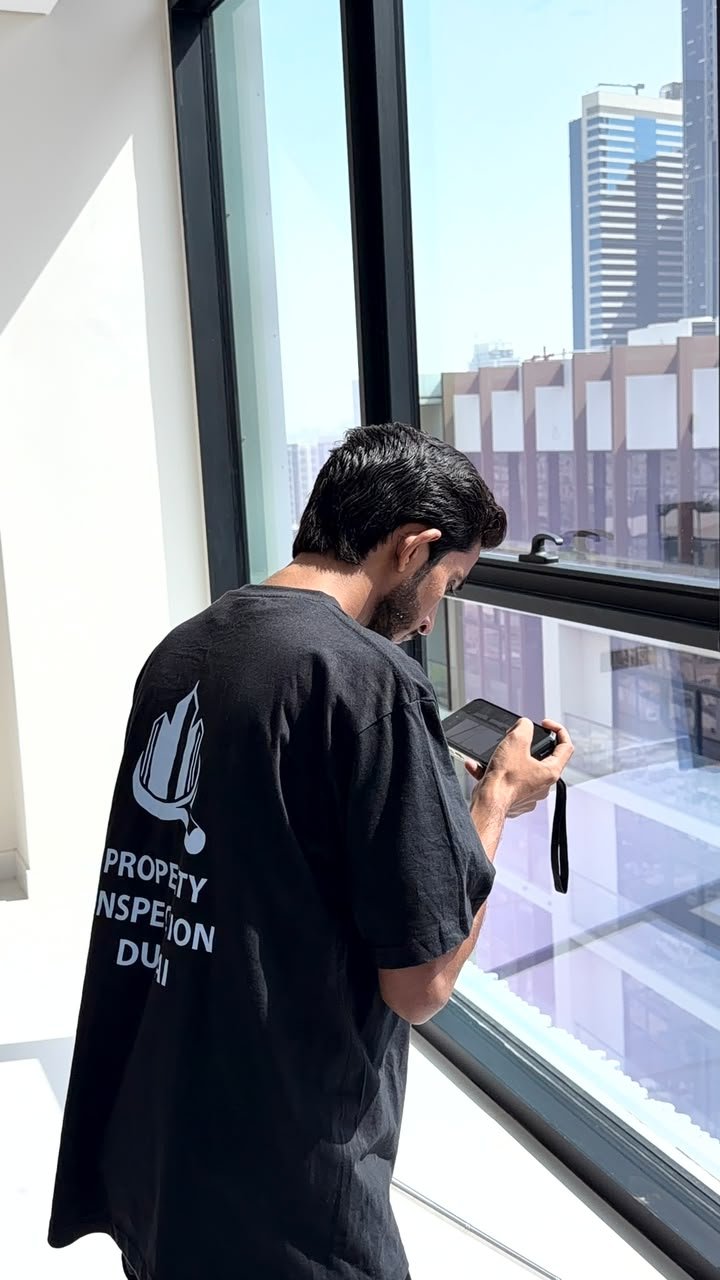
Purchasing property in Dubai is a huge decision for you to make and it is important to know the true condition of the property. Using a Top property inspection Dubai service can help you find any obvious issues with the property. Whether you are buying a brand new apartment, family villa or resale property, it can give you a better understanding of what you are buying.
Properties can look fantastic when you view them. We will paint the walls, polish the floors, and make everything look very modern. However, there can be issues with the property that will only become evident once you start opening doors, using water, turning on the air con and looking at outside areas. You may notice drainage issues, loose electrical fittings, damaged waterproofing, and uneven flooring.
View a property inspection as an important step when purchasing property. The inspection will give you a clear view of what you can see inside the property.
Why Property Inspection Is Important in Dubai
There is a wide variety of properties available in Dubai. From high rise apartments to townhouses and large villas in established communities. Different properties will have different features and systems.
New properties can have issues with finishing and installations whilst resale properties can have signs of wear and tear and previous repairs. Even if the property looks to be in good condition there can be issues with the plumbing, air con, electrical fittings and moisture.
A good Top property inspection Dubai service will take into consideration the type of property, age, layout and condition. Whilst it will take into consideration the visual aspects of the property it will also look at any accessible parts of the property to ensure you know what issues there could be.
The report can help provide you with a clear understanding of the issues when speaking to the developer/seller/contractor and what are just minor issues with finishing.
What does a professional property inspection include?
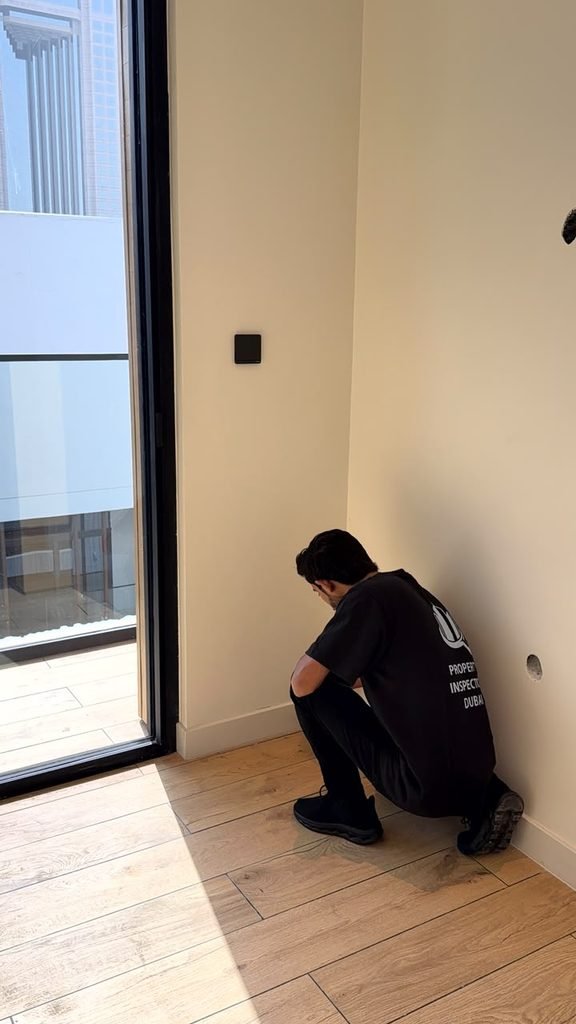
A proper property inspection will involve more than just looking at the obvious areas of the property. The exact areas will depend on the property and service you have booked. However, some key areas to look out for are:
Most inspections start off by looking at the overall condition of the property. This includes looking at any cracks, damaged finishes, uneven areas, misalignment and incomplete installations within the walls, ceilings, flooring, doors and windows. Whilst these don’t seem like huge issues, they can highlight areas that will need fixing.
You will also want to look at the mechanical, electrical and plumbing within the property. This can include looking at accessible switches, lights, sockets, taps, drainage and air con controls to ensure they are working. If the correct equipment is available and you have access, you can also run some tests to identify any issues.
We should inspect bathrooms and kitchens closely. These will have a variety of water connections, fittings and drainage. You may want to look at any signs of leakage, damaged sealant, poor tiling and drainage issues.
A thorough home inspection should also include the outside areas (if included). This may include looking at the visible areas of the outside of villas, boundary walls, terraces, areas you can get to on the roof and drainage.
Plinth Protection
An important aspect of the outside of the property to look out for is the plinth protection. This is a layer or tiled area around the bottom of the property to help direct surface water away from the walls.
In Dubai, this is an important feature to look out for in properties with landscaped gardens, irrigation, tiled areas and external water sources. If the area around the property isn’t draining well, water can build up close to the walls. Over time, the finishes around the property may deteriorate, requiring further investigations.
Look out for any visible cracks in the concrete, tiles or other surfaces around the property. Are there any gaps around the wall? Are there any issues with the joins? Does it look like there is water building up? Also, are there any stains, damp areas, salt build up and unusual damage around the base of the property?
It is important to know how the water is flowing around the surface. If it doesn’t look even or water is flowing towards the property then it may be worth looking at further. However, you may need to measure how sloped it is and how well it is draining underneath.
The issue with visually inspecting the property is that you won’t be able to see the condition of the hidden foundations and waterproofing membranes. If there are regular signs of moisture and cracking then a qualified professional may need to look further into the cause.
Why Snagging Is Important
Snagging is the process of identifying, noting and reporting any issues or incomplete items within the property. This can be particularly helpful when buying brand new apartments, villas and townhouses.
New properties can have issues with painting, tiling, cabinetry, sealing in bathrooms, door fittings and air con. Some of these will be visual issues whilst others can affect how the property functions.
Snagging ensures the respective developer or contractor notes all issues so they can review them.
A good snagging should include photos and specific notes. For example, instead of stating bedroom door is faulty, say it isn’t closing properly because it’s misaligned with the frame.
It helps you identify issue locations quickly and review them more easily after you fix them. It will also help you keep track of any issues.
Kitchen & Bathrooms
Kitchens and bathrooms are two of the most used areas within a property and will include a variety of fittings.
Look at the worktops of the kitchen. Are there any cracks, scratches, chipped areas or incomplete joints? Open up cupboards and drawers to ensure they are working smoothly. Are the hinges and handles secure? If the purchase includes appliances, verify that they meet the agreed specifications and function properly.
If the water is available then check the sink and tap. Is the water draining properly? Check any accessible areas under the sink for any visible leaks. Check the sealant around the sink and worktop. Are there any gaps or incomplete finishes?
You should also perform this in the bathrooms. Check the tiling, grouting, shower, sanitary fittings and sealant. Are there any visible signs of moisture, damage and leaking from accessible connections?
If you can safely turn on taps and flush toilets then do so. If the water is not draining quickly or there are unusual leaks then note where these are.
Don’t Forget About Air con & Electrical
Air con is an essential part of living comfortably in Dubai. However, the property may have issues with the performance or installation. Whilst it looks ready to move into there may be issues.
Use the usual air con controls and give it enough time to react. Is air coming out of the correct vents? Are there any unusual sounds, smells or visible signs of moisture from accessible equipment?
If there are multiple cooling areas then check each control you have access to. Check any accessible vents and ensure there aren’t any loose fittings, damage or staining to the ceiling.
Check the electrical fittings. Turn on usual light switches and any accessible lights. Check for cracked socket covers, loose fittings, or missing parts. Qualified professionals should only touch electrical panels, exposed cables, and potentially unsafe equipment.
A basic check will not give you a full understanding of the technical condition. If you find any issues, we may require a specialist test.
Apartment Inspection vs Villa Inspection
Both apartments and villas will have many similarities however the layout and outside areas can vary.
Apartment inspections tend to focus on the inside of the property. This includes checking the finishes, windows, balconies, kitchen fittings, bathrooms, plumbing, electrical fittings and air con. However, building management may assess shared facilities or require a separate inspection.
Villa inspections will tend to cover a wider variety of accessible areas. This will include looking at the inside of the property but also the outside walls, boundary walls, garages, terraces, garden drainage, outside lighting and other property specific areas.
Inspectors should examine the plinth protection and drainage closely because the property contacts external ground and landscaping. However, apartment inspections will focus more on the condition of the unit and accessible balcony/terrace.
Always ensure the inspection covers the correct areas for the property. Whilst using a standard checklist can help you get started, it shouldn’t be used as a replacement for property specific checks.
When Should I Book A Property Inspection?
The best time to book a property inspection will depend on the type of property you are purchasing.
If you are purchasing a brand new property then you should consider booking an inspection prior to handover. This will depend on how the developer has set up their access and contractual processes. This will help you identify any visible issues and report them.
If you are purchasing a resale property then booking an inspection prior to purchase can help identify any visible issues with the condition of the property.
Current homeowners can also book inspections if they are noticing regular issues with moisture, drainage, unusual cracks and other maintenance issues. A targeted inspection can help you identify if further investigations by a specialist are appropriate.
By choosing the correct Top property inspection Dubai service you will gain more from the findings. It is important to understand the condition of the property.
How To Choose The Right Property Inspection Company
Not all companies will offer the same level of inspection. Take your time to understand what they will actually be looking at.
Ask about the qualifications and experience of the inspectors. The provider should be able to tell you how they will carry out the inspection and what standards/professionalism they follow.
Ask what will be included in the report. A useful report will include where the issues are, what the issue is and include photos. Specific notes will be far more useful than general comments.
Ask what tools they will be using and what they can identify. Tools such as moisture meters, thermal imaging, electrical testing and airflow meters can help with certain investigations. However, just because they have the advanced tools does not mean they will be able to identify all hidden issues and fully certify all systems.
Check if they will provide any support once the report has been produced. Some buyers may need help understanding the findings, communicating with the developer and booking a follow up inspection.
A good inspection provider should be able to tell you what will and won’t be included.
Why A Detailed Report Makes A Difference
One of the most important parts of the process will be the report.
A useful report will help you understand what has been looked at, what issues have been identified and where they are. Including photos will help provide visual evidence and specific notes will help the developer/seller/contractor understand what needs to be looked at.
For example, if the report says there was water build up near the rear external wall it will be more useful than a general comment about drainage. This can then be reviewed by the correct professional to see if there are any issues with the slope of the surface, drainage or other factors.
The report should also highlight what issues have been identified as visible and what will need further investigations. This will prevent you from making any assumptions about what is hidden within the construction.
Once the repairs have been made you can compare the results to the original report. This can help you identify if the issues have been resolved.
Common Mistakes To Avoid
One of the most common mistakes is to assume there won’t be any issues with a brand new property. New properties can still have incomplete finishes, installation issues and issues with how they function.
Another common mistake is to only look at the inside of the property. The drainage, visible plinth protection issues, boundary walls and accessible roof/terrace areas can be just as important.
Some buyers will only rely on a quick walk through by the developer. Whilst this may be part of the handover process it should not be relied on.
Don’t assume everything you see is a big issue with the construction. A professional report will state what has been found and recommend further investigations if the cause can’t be identified.
Make An Informed Decision On Your Property
Choosing a Top property inspection Dubai service will help you understand the condition of the property. It will help you identify any issues that need attention and give you a clear understanding of the property.
By carrying out a thorough inspection of the property you will be making more informed decisions. Whether you are booking a home inspection for a resale property or looking at snagging in apartments/villas, you should ensure it covers the actual features and condition of the building.
At Property Inspection Dubai we can help you understand your options for inspections. We can help you with home inspections, snagging in apartments/villas and pres-handover inspections. The correct service will depend on your property and what issues you want to be looked at.
Whilst a thorough inspection can’t guarantee you will find all hidden issues, it will help you understand what can be seen, properly note any issues and identify where further professional investigations may be required. Take the time to look past what the property looks like and understand the condition of the home you are investing in.
