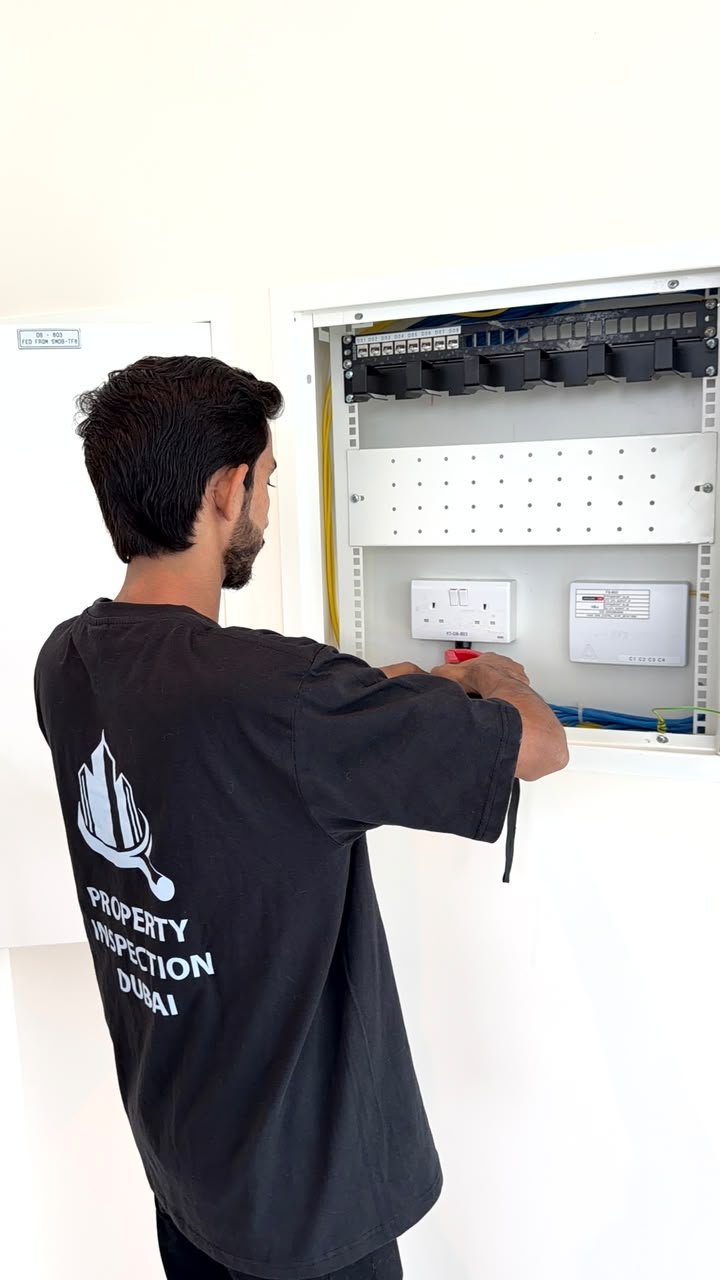
A property may look good when viewed, but not all its issues are obvious. A professional property inspection Dubai buyers can trust goes beyond paintwork and finishes. It covers accessible building components and system testing where possible. Additionally, it identifies warning indicators such as ventilation, drainage, and moisture issues.
When buying a new apartment, a villa, or resale property, understand what lies beneath the surface. This knowledge can help uncover more information for you.
In Dubai, houses with balconies have extensive rooftop areas. Residents widely use air-conditioning, and landscapers landscape external spaces. Some defects can remain hidden until you occupy the property. A fresh coat of paint or new flooring does not necessarily mean that every underlying component is performing as expected. This is where a professional property inspection comes in.
Instead of assessing a house based on its exterior, an inspector looks for signs of flaws. They document those that require maintenance or technical research.
Why are Hidden Defects easy to miss?
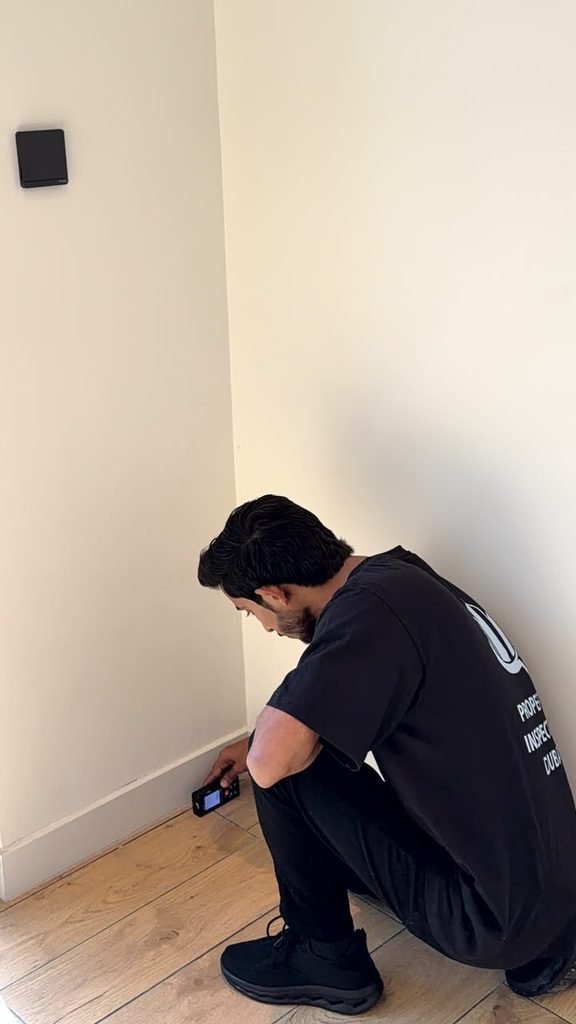
When viewing, buyers will look for visible features. They notice spacious rooms, attractive kitchens, modern bathrooms, and great views. However, a short walk around the property won’t allow time to examine every fitting and the property’s systems. However, a short walk around the property will not allow time to examine every fitting. It will also be difficult to assess the performance of the property’s systems.
Finishes hide some defects. Others only appear when the equipment is running or the drainage system has flowing water.
A small stain near a ceiling, for example, could be a visible sign of moisture problem needing further investigation. An air-conditioning unit could switch on but not produce consistent cooling for the property.
A comprehensive house inspection aides in distinguishing between warning signs that require significant attention and common cosmetic flaws.
It can identify obvious signs and indicate when specialists need to perform testing, but it cannot reveal every hidden flaw.
Moisture problems behind walls and ceilings
Moisture related defects can be particularly easy to identify during an ordinary property viewing. The wall may look freshly painted despite water ingress. A damp smell or slight discoloration may be the only visible sign of concern.
Professional inspectors examine accessible walls, ceilings, bathroom areas, kitchen connections, window surrounds and other areas where moisture problems can arise.
Depending on the situation, they may use a moisture meter to investigate suspicious areas. They may also use thermal imaging to spot temperature patterns that require further assessment.
These tools require careful interpretation. A thermal image does not prove a leak. Consider the moisture reading in light of the surrounding conditions. If we find an anomaly, we may need to perform further testing to determine its cause.
For buyers arranging property snagging Dubai services, you should record moisture-related observations before handing over the property. This provides a useful record to present to the developer. For existing owners, early investigation can help to avoid a minor concern from blowing up into a more disruptive repair.
Air conditioning and ventilation faults
Air conditioning is essential for comfortable living in Dubai, and you cannot gauge its performance with a brief thermostat test.
An inspection can uncover weak airflow, unusual operating noises, visible condensation, damaged insulation on accessible components, or water nearby to an indoor unit. An inspector can also examine the accessibility of controls, and make sure the cooling is consistent in different rooms.
Some problems relate to duct work, drainage lines, control settings or equipment that are inaccessible for a standard visual check. In these situations, an HVAC specialist may need to perform further testing.
The professional inspection helps identify the warning signs and records the areas affected. This is particularly useful to a buyer considering a newly completed property, and wants to have concerns addressed before settling in.
Plumbing leaks and drainage issues
A bathroom or kitchen may look clean and finished, but have issues with water flow, drainage, and accessible plumbing connections.
During a short viewing, you might miss small leaks beneath a sink, slow shower drains, loose fittings, and inconsistent pressure.
During a property inspection, inspectors examine accessible taps, toilets, drains, and pipework in the water-supply area.
An inspector can also look at staining, dampness, damaged sealant, and other possible indicators of a plumbing concern.
Drainage outside the property should also be a consideration. Water that accumulates around a balcony or terrace after ordinary use or rainfall may be an issue with the drainage, or the slope of the area. Record and evaluate the observation instead of assuming a single factor caused it.
A professional report provides the buyer with a better idea of the observed problem, and helps to identify what issues need further investigation prior doing repairs.
Electrical and installation defects
Electrical problems are not always obvious from the appearance of the property. A newly installed switchboard or a row of modern sockets does not, by itself, confirm that every connection and circuit is working properly. A suitable inspection may include examining accessible switches, lights, sockets and other installed items, and appropriate testing by a qualified person using suitable equipment.
Document signs such as damaged socket covers, loose fittings, non-functioning lights, or unusual behavior.
An inspector should not open electrical panels or deal with exposed wiring as a part of an ordinary walk through. Potentially dangerous defects require assessment by a qualified electrical professional.
Other installation problems may be less severe but interfere with use. Misaligned doors, poor windows, loose cabinet fittings, damaged sealant, and inconsistent floor finishes can indicate incomplete or inconsistent workmanship. Record these typical snag‑work examples clearly, not as verbal observations.
Plinth protection: an important external detail
Plinth protection is an important area to consider when inspecting suitable buildings, especially villas and properties with landscaped ground-level surroundings.
It refers generally to the protective treatment or paved strip around the base of a building, to help limit water penetration and erosion around the perimeter when designed and maintained correctly.
Visible problems can include cracks, gaps, damaged finishes, poor connections near the building wall, ground levels that appear to lead water in towards the structure, and drainage arrangements around the property. All of these should be considered as potential requirements for further assessment.
These observations do not prove that the building has suffered structural damage, but highlight conditions that may require further assessment. The details are dependent upon the property’s design, construction specification and drainage arrangement.
During a professional inspection, concerns with plinth protection should be photographed and documented with their locations. If water is pooling close to the building to the point of entering the property, the underlying drainage and waterproofing arrangements may need specialist review.
Roofs, balconies, windows and external seals
External areas can show clues that are easy to miss when buyers just look at the inside.
Balcony thresholds, window seals, roof drainage points and accessible exterior finishes should be examined for visible damage and signs of water entry.
A damaged seal around a window could allow air or dust to enter, and a poorly draining balcony may leave standing water close to doors or walls.
On a villa, accessible roof areas and external drainage points may also need attention, depending on safe access and the agreed inspection scope.
A visual inspection cannot confirm all concealed waterproofing layers or roof components. Where evidence shows that there may be a problem, the report should explain the observation and recommend appropriate follow-up rather than unsupported conclusions.
What Makes Professional Snagging Work more useful?
The value of snagging work is not in how much it lists. A useful report describes what was seen, where, and why the item may need attention.
Good snagging work involves a systematic inspection and photographs, accurate location details and practical notes.
Where relevant, findings can be prioritized according to apparent urgency, and issues requiring specialist diagnosis pointed out for further assessment.
A reliable snagging company Dubai property buyers choose should explain the inspection scope ahead of the appointment. Ask about which areas and systems will be checked, which equipment may be used, whether the report includes photographs, and if follow-up inspections are available.
Property snagging Dubai services are particularly appropriate before handover, when buyers want a documented record of visible defects and concerns to submit through the developer’s process.
For an older or resale property, a broader home inspection may be more appropriate, since the assessment requires taking into account wear, previous repairs and the condition of existing systems.No inspection can guarantee that a property is free from hidden defects.
The purpose is to reveal observable problems and investigate warning signs within the agreed scope, and help the buyer to have a reliable basis for what should happen next.
What Should You do when a Hidden Defect is Found?
Start by reviewing the report and ensuring that each concern is clear. Keep photographs, inspection notes, and relevant correspondence stored together, allowing you to refer to the evidence when speaking with the developer, seller, or property manager.
If the finding relates to possible water ingress, electrical safety, structural movement or another technical concern, ask if a specialist assessment is needed.
Avoid attempting repairs prior understanding the cause, especially where the work may concealing evidence or aggravate the problem.
For a newly handed-over property, follow the developer’s reporting procedures and maintain a written record of submitted defects and responses.
Once remedial work has been completed, check the areas affected where possible, and arrange further assessment if the concern remains unresolved.
Protect Your Property Decision with a Thorough Inspection
A home can look finished without every component being in good condition.
Moisture anomalies, weak air conditioning, plumbing concerns, electrical defects, external drainage problems, and damaged plinth protection are all examples of issues that may need attention beyond a casual walk through.
A careful property inspection Dubai buyers arrange before handover or purchase can help them to understand the visible condition of the property and identify warning signs that may require further testing.
With documentation and appropriate follow-up, buyers can raise concerns more confidently and make better decisions about repairs and handover.
The most useful inspection is not the one that simply produces the longest list. It is the one that records genuine observations accurately and explains their significance without exaggeration and helps the property owner to understand what to do next.
