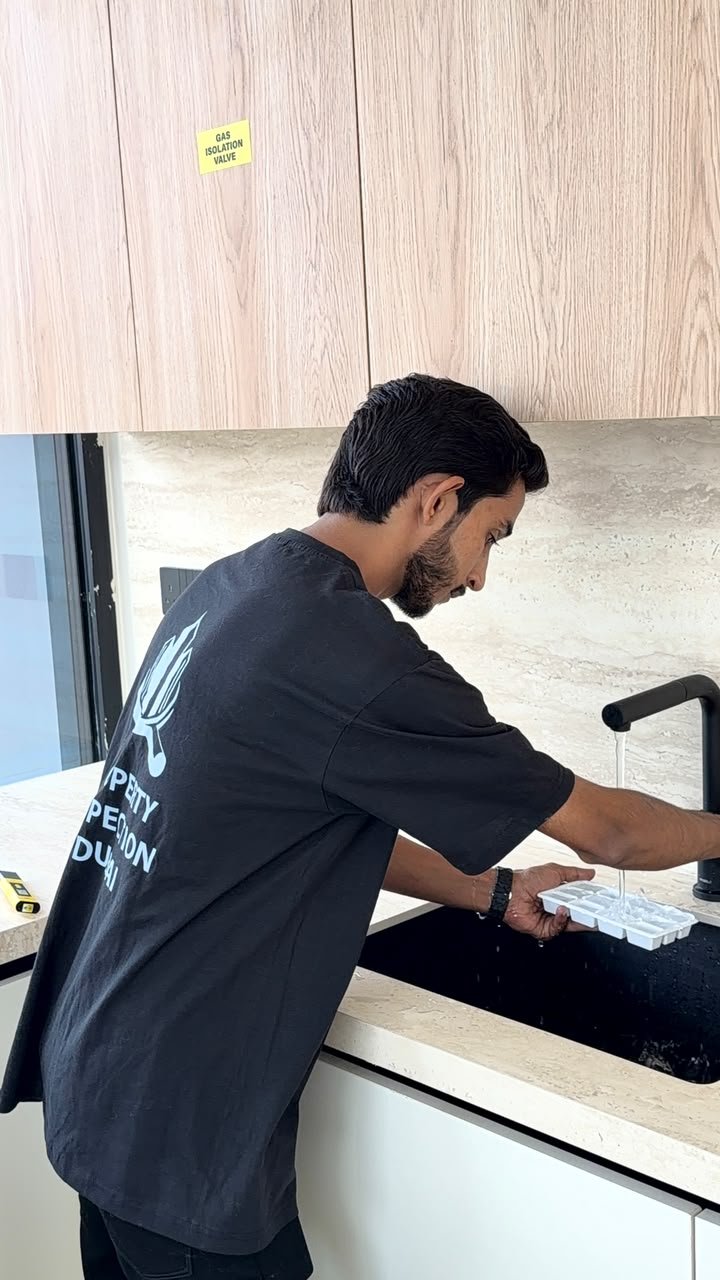
A property may seem perfect for a new owner or a tenant. Yet hidden troubles are not always easy to notice during a brief inspection. A comprehensive property inspection in Dubai can reveal defects, needed repairs, and damaged fittings. It also helps uncover issues that are not obvious at first glance. Understanding the different types of property inspections is essential for buyers, villa owners, and landlords. Inspections may cover newly built properties and per-handover surveys. They can relate to tenancy inspections and other situations. For example, a buyer may want everything settled before handing over keys. A tenant may prepare a move-out home condition report, and a landlord may require a professional inspection after tenant moves out to assess repairs.
Why Property Inspection Matters in Dubai
Dubai offers a vast selection of residential properties including apartments in high-rise buildings and villas located in established communities as well as recently developed neighborhoods. Despite differences in size, layout, and amenities, these properties share a common issue. All of them have defects and unfinished items.
A professional inspection affords an organized walk-through of all areas, accessible parts and finishes to note any deficiencies.
Depending on the level of inspection, this may include a review of walls, ceilings, floors, doors, windows, bathrooms, kitchens, plumbing fixtures, electrical fittings and air-conditioning.
The timing of an inspection is important as it allows a buyer to note any visible defect prior to hand-over to enable resolution by the developer as per their processes. For rental properties, a check-in and check-out inspection yields objective evidence for both parties. It documents damages and maintenance needs. It also ensures the security deposit release at lease end.
An inspection cannot guarantee the absence of defects, particularly in systems and fixtures which are not readily observable. However, it creates an objective basis for identifying potential concerns in need of further investigation.
Property Snagging Before You Accept a New Home
Property snagging refers to the inspection and assessment of defects, incomplete fittings, and deficiencies in the property, especially at handover. A new house or apartment with desirable finishes may have faults. These faults include scratches, faulty doors, tiles, fittings, or fixtures that do not function correctly.
During a snagging inspection, the surveyor inspects all readily accessible items. Next, the surveyor tests items that are safe to test under the appropriate circumstances. Finally, the surveyor reports the results. The use of photographs and specific location identification makes the snagging report easy to comprehend.
We present the snagging report to the developer or contractor in accordance with the stipulated procedures. The developer may conduct a re-inspection to verify that the initial snagging report has been adequately addressed and rectified.
For a buyer, snagging offers a valuable opportunity to assess the property they intend to purchase. It reveals more than the showroom. Buyers should understand the scope of a snagging survey. Buyers should know which tests surveyors conduct. They should also know whether a specialist survey is needed for areas that cannot be assessed visually.
Apartment Snagging and Villa Snagging: What Is the Difference?
The basic purpose of an inspection remains similar across different property types, but the areas requiring attention can vary.
Apartment snagging
An apartment snagging usually focuses on the internal part and the available appliances. The inspection may include checking the wall and floor finishes. It also covers windows, doors, kitchen cabinets, and bathroom fittings, drainage, and fixtures. Inspection includes air conditioning and other items. In addition, balconies, storage, and other areas may be subject to snagging. This applies if they are part of the accommodation or accessible. Different apartments have different configurations, and the snagging checklist may vary depending on the location and services provided.
Villa snagging
Villa snagging could require a longer list of points to review. The surveyor may conduct a separate examination of outdoor areas. A surveyor should review external walls, boundary walls, doors, and windows. Inspectors may also assess roof details, the garage, and other villa-specific elements. A snagging survey should not follow a universal checklist but should be based on the particular case. For instance, a large villa with a personal garage, a swimming pool, and several terraces will have a different list. This differs from a small villa with limited outdoor areas.
Both apartment and villa snagging aim to provide a client with the detailed list of observed defects. The team should define the scope of work prior to initiating the inspection. It should include all the available details that the client is willing to see and assess.
Villa Inspection and Apartment Inspection for Buyers
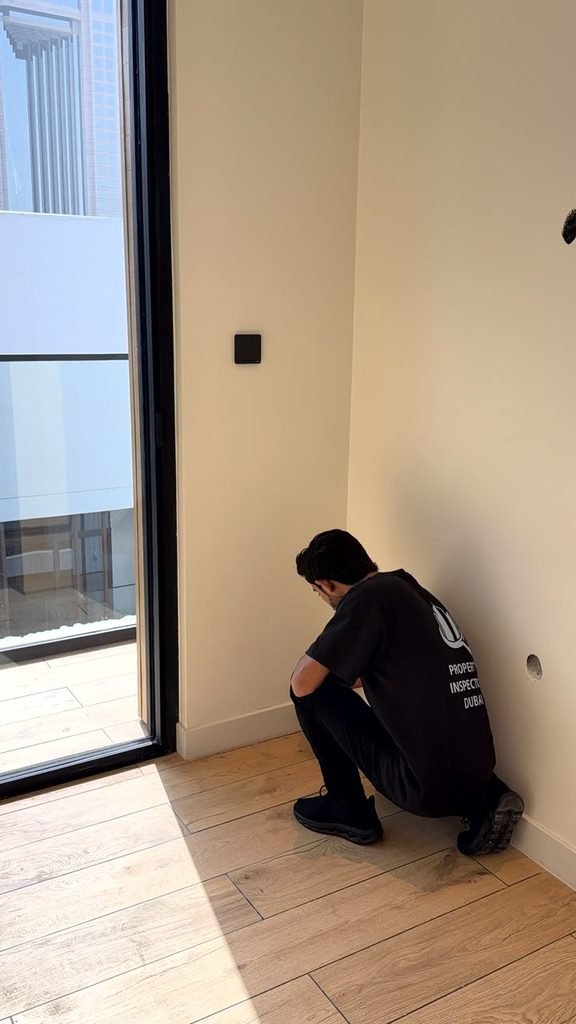
Not all property inspections are about finding a new house. One can also get a villa inspection or even an apartment inspection when buying an existing property.
For a resale apartment, the inspection can highlight visible signs of decay. It can note damaged finishes, leaking taps, faulty fittings, or other issues needing attention before finalizing the purchase. For a villa, it would also include checking finishes in other accessible parts. It would cover external works, the garage, boundary walls, and drainage.
An inspection is important if the buyer wants to know the difference between superficial and deep issues. However, a simple visual inspection is not a structural survey, and it is not a specialist inspection either.
During the visual survey, if the inspector finds pointers to deep-level issues, they should mention flagged concerns in the report. They should also advise the next level of inspection to confirm their suspicions.
Handover Snagging and Handover Inspection
The handover stage is an important step in the property life cycle. Buyers are nearing completion of their purchase. Therefore, it is a good opportunity to ensure visible fittings and finishes meet their satisfaction.
During or before completion, the team identifies and addresses any deficiencies or incomplete items. Common snagging items include damaged floor finishes, defective paint, faulty fittings and cabinets, faulty windows, plumbing and bathroom fittings, and inaccessible air conditioning or water control valves.
A handover inspection is the process of verifying property conditions at handover. It can include snagging checks and other snagging-related observations. A professional inspector should perform the handover snagging, and the buyer can rely on that inspector for an independent assessment. Clarify what the survey covers before you request a snagging survey. If a photographic report is required, confirm this. Also, determine how long it will take you to deliver the report. You should also request a re-inspection if the initial snagging items have not been satisfactorily addressed. In addition, it is important to review the developer’s handover procedures, including defect reporting procedure, in advance. A snagging report serves as reference documentation of observations. It is not a replacement for any official procedure addressing property defects.
Move-In Snagging and Move-In Inspection for Tenants
Moving in to a rented house differs significantly from accepting a newly built property
The lessee has to put emphasis on setting up the home state at the beginning of the tenancy and noting potential damages which could affect everyday use of home before regular use begins.
Move-in snagging describes checking the property for flaws and problems before tenants settle in. A move-in survey is generally about inspecting the state of premises at the start of tenancy and pointing out the existing defects.
The inspection can consist of checking the walls, ceilings, floors, doors, windows, built-in kitchen furniture, bathrooms, appliances delivered with the house, air conditioning, and any other elements present in the home. Particular attention needs to be paid to any existing scratches, spots, broken furnishing, or defective fittings. Photos show the problem and where it can be found.
It is always better for a tenant to store the reports on the condition of a rented house and send them to an agreed contact or present to the lessor verbally. The report on move-in audit aims to minimize any misinterpretation on the state of a property upon end of tenancy and thus should describe the situation without assigning any responsibilities.
Move-Out Snagging and Move-Out Inspection
When a tenant is preparing to exit the property, the inspection process will change. The focus will shift from the start of the tenancy to the finishing condition and its comparison to the initial records. Move-out snagging identifies obvious damage, missing repairs, or any maintenance issues before returning the property. The move-out inspection is a more structured assessment of the move-out condition.
The inspector or letting agent will typically review the wall, floor finishes, doors, windows, kitchen cupboards, bathroom fittings, appliances, and other fittings relevant to the tenancy. An inspector or letting agent will highlight any new damage, missing items, or problems that must be resolved before move-out day.
A move-out inspection should take cognizance of the original condition report where practicable. Do not conflate general wear and tear, accidental damage, per-existing defects, and maintenance responsibilities. Reference should be made to the pertinent tenancy agreement and regulations in the event of a dispute resolution.
The tenant can prepare by reviewing the move-in photos, reporting outstanding works and maintenance issues, and providing the keys and any other items due back. The landlord’s preparation should involve avoiding recollection of the property condition and instead referring to the initial reports to ensure consistency. How to Prepare for a Property Inspection.
Ask whether the report will include photographs of the defects and whether the report will describe the location of the defect. You can also ask what systems and components will be inspected and if there are any exclusions. Avoid testing potentially faulty electrical equipment and inaccessible building systems.
Any concerns with potentially unsafe equipment or inaccessible systems will require the evaluation of an appropriately qualified specialist. What Should a Good Inspection Report Include?
An inspection report should be understandable to the property owner, tenant, developer, or contractor. It should highlight the findings clearly and concisely so that the issues can be located easily. Ideally, each defect should contain the room or location, description of the defect, and a photograph if practicable.
The report should distinguish between the observed condition and any inferred assumptions. If there is a discolored ceiling in the bathroom, for instance, the report should state that there is a water stain and recommend further investigation. Unless it has been determined otherwise, the report should make it clear that the cause of the moisture was not identified.
The inspection report should also note the report’s limitations to help manage expectations. For instance, if inaccessible services or systems such as concealed pipework were not tested, this fact should be stated for clarity. The report’s scope helps set the boundaries of the work done, and it will be vital to the client’s understanding of the report.
Choosing a Property Inspection Service in Dubai
When choosing between different inspection providers, it is essential to remember that the cheapest option is not always the best value. You should inquire about the experience of the inspector, the types of properties they have inspected, the report structure, time it takes to deliver the report, and whether follow-up visits are free of charge.
It is also vital to understand whether the service will meet the needs of your particular situation. A buyer ready to take possession may need a snagging report, whereas a tenant may be looking to have both a dated condition record and snagging assessment for a rental property. A villa or apartment may have different requirements if it is being inspected during handover than a completed new build home.
Before finalizing the arrangements, you should ask whether the quotation includes a full inspection of all relevant areas, photos, and functioning tests. You should also request clarification on whether longer or more complex jobs such as larger properties or specialist inspections will incur additional charges.
A competent inspection provider will talk you through the parameters of the report, what it will cover, and what it will not. These insights will help you ensure you have a comprehensive understanding of the report and what it means for your next steps.
To Sum Up
Property inspections play a critical role at different stages and for different parties in property ownership, purchase, and tenancy. Property snagging provides a helpful record of defects for house buyers, whereas villa inspection or apartment inspection can help purchasers of a villa or apartment understand the property’s existing condition. Move-in and move-out inspections provide valuable information to both the landlord and tenant at either end of a tenancy.
Whether you need villa snagging, apartment snagging, handover snagging, a handover inspection, move-in snagging, or a move-out inspection, the most critical consideration is to match the inspection to the property condition and purpose. A well-documented inspection will not guarantee that every issue is identified, but it will provide a useful reference for your own property survey, help identify any concerns to the seller or landlord, and assist you in making informed choices when moving in or taking possession.
