Cracks, Leaks & Cold Spots: What Thermal Imaging Reveals Inside Your New Dubai Home
Your new Dubai property looks perfect. Fresh paint, clean finishes, every light switch working. But beneath that surface — inside the walls, under the floors, above the ceilings — a very different story may be unfolding.
Thermal imaging has changed what a property inspection in Dubai can find. Where a standard visual inspection ends at the surface, a thermal camera goes further — detecting moisture accumulation, insulation gaps, electrical faults, and waterproofing failures that are completely invisible to the naked eye. These are not rare edge cases. They are among the most common findings on new properties across Dubai, and they are findings that, left undetected, turn into costly repairs within months of handover.
This guide explains exactly what thermal imaging home inspection technology reveals, why it matters for your property, and what you should expect from a professional inspection that uses it correctly.
Why the Human Eye Is Not Enough
A visual inspection is valuable. An experienced inspector walking your property will identify surface defects — cracked tiles, misaligned doors, incomplete grouting, paint inconsistencies, plumbing fixture issues. These findings matter and they belong in your snag list.
But a significant category of property defects produce no visible surface symptoms — not immediately. Hidden leaks, insulation gaps, and electrical faults can exist inside your walls for weeks or months before the first visible sign appears. By that point, the damage has already progressed.
The Problem With Visual-Only Inspections
In Dubai’s climate, this delayed visibility is particularly dangerous. High ambient temperatures and humidity levels mean that moisture trapped inside a wall or ceiling cavity creates ideal conditions for mould growth, structural deterioration, and material breakdown — all before a single stain appears on your paintwork. A visual-only property inspection simply cannot access this information. Thermal imaging can.
How Thermal Imaging Works in a Property Inspection
Thermal imaging cameras — also called infrared cameras — detect and display the heat signature of every surface they are pointed at. Different materials, at different temperatures, emit different levels of infrared radiation. The camera translates these variations into a colour-coded image, with warmer areas displayed in reds and oranges and cooler areas in blues and purples.
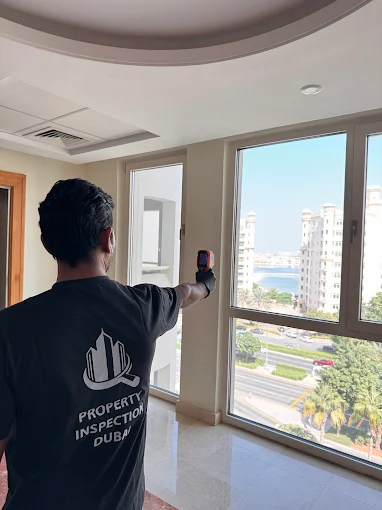
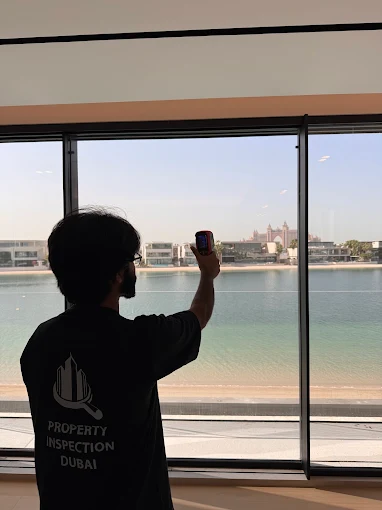
In a property inspection, this technology is used to scan walls, ceilings, floors, electrical panels, AC components, and structural junctions. The inspector is not looking for dramatic temperature differences — they are trained to identify subtle anomalies that indicate a specific type of defect.
Reading Heat Signatures — What the Camera Actually Sees
A patch of unexpected cooling behind a bathroom wall indicates moisture — either from an active leak or waterproofing failure. A warm spot on a distribution board flags an electrical connection running hotter than it should. A band of uniform cold running along an exterior wall shows missing insulation. Each of these patterns has a diagnostic meaning, and a qualified infrared inspection specialist knows exactly how to read them.
The Five Most Common Findings From Thermal Imaging in Dubai Properties
Based on inspections carried out across Dubai’s residential communities — apartments, townhouses, and villas — these are the five defect categories most consistently identified through thermal imaging.
1. Waterproofing Failures and Active Moisture
This is the single most frequent critical finding. Waterproofing membranes in wet rooms, balconies, and rooftop terraces fail far more often than developers acknowledge — and in most cases, the failure is entirely invisible at the point of handover. Moisture detection in property inspections using thermal cameras identifies these failures before water damage spreads. Once moisture is inside your wall cavity or ceiling substrate, remediation becomes significantly more expensive and disruptive.
2. Missing or Damaged Insulation
Dubai’s climate makes thermal insulation in walls and ceilings a functional necessity, not a luxury. Gaps in insulation — caused by poor installation, material compression, or sections that were simply missed — create thermal bridges that drive up your cooling costs and cause condensation at the cold junction points. Cold spots in new homes identified through thermal imaging almost always trace back to insulation deficiencies that a visual inspection would never catch.
3. Electrical Hotspots
Loose connections, overloaded circuits, and faulty breakers all generate excess heat. In a thermal image, these show up as localised warm patches on distribution boards, socket faceplates, and cable runs. Electrical hotspot inspection is a standard element of every Property Inspection Dubai assessment because the risks of undetected electrical faults in a new property are serious — both from a safety and an insurance perspective.
4. AC System Deficiencies
Dubai’s AC systems run almost continuously. Poorly insulated refrigerant pipes, incorrectly positioned air handlers, and blocked or undersized condensate drains are all common installation defects that thermal imaging identifies precisely. An AC insulation inspection using a thermal camera shows exactly where the system is losing efficiency — information that can save thousands of dirhams in energy costs and prevent system failures.
5. Structural Cracks and Voids
Not all structural anomalies are visible on the surface. Delamination behind cladding, voids beneath tiles, and subsurface cracking at structural junctions all create thermal anomalies detectable by an experienced inspector. Combined with visual examination, wall crack inspection in Dubai using thermal imaging provides a far more complete picture of a property’s structural integrity than either method alone.
A Real Thermal Imaging Inspection — What We Found
During a recent inspection of a two-bedroom apartment at a completed development in Business Bay, Property Inspection Dubai carried out a full thermal imaging scan alongside the standard visual assessment.
The unit had passed the developer’s own QC review. The handover documentation showed no recorded defects.
Our thermal scan identified the following within the first 45 minutes on site:
- A large moisture zone behind the master bathroom wall, consistent with a failed waterproofing membrane beneath the shower tray — no visible staining present
- Two electrical sockets in the kitchen showing elevated heat signatures indicating loose terminal connections
- A clear insulation gap running horizontally across the entire north-facing exterior wall of the second bedroom, responsible for the “cold spot” the owner had noticed but couldn’t explain
- The AC condensate pipe in the living room showing a reverse gradient — running uphill rather than draining correctly, with pooled water visible in the thermal image
Every finding was documented, photographed in both standard and thermal formats, and included in the client’s property defect report. The developer rectified all four issues under warranty — but only because the client had the documented evidence to demand it.
When Should You Book a Thermal Imaging Property Inspection?
The answer is: before you sign the handover documents.
Once you accept your keys and complete the handover formalities, your position in any defect dispute changes significantly. Pre-existing defects become harder to separate from issues that may have developed after you took possession. The developer’s obligation to rectify under warranty is not in question — but your ability to enforce it depends heavily on documented evidence gathered before handover.
A thermal imaging property inspection in Dubai conducted at the pre-handover stage gives you a timestamped, professionally documented report covering every thermal anomaly identified on that date. This is your evidence. This is your leverage.
If you have already completed handover, a thermal imaging inspection is still valuable — particularly if you have noticed cold spots, rising damp, high energy bills, or unexplained condensation. Identifying the source early and documenting it correctly is always better than waiting for the problem to become visible.
Why Choose Property Inspection Dubai
Property Inspection Dubai brings together certified inspectors, calibrated thermal imaging equipment, and a reporting standard designed to produce clear, actionable findings — not long reports full of qualifications and caveats.
Every inspection includes full thermal imaging as standard, not as an add-on. Our inspectors are trained in thermographic interpretation and understand how Dubai’s specific climate conditions affect thermal readings. We know the difference between a genuine anomaly and an artefact caused by ambient temperature variation — and we report only what we can substantiate.
Our property inspection reports are delivered within 6 hours, fully photographic, cross-referenced between thermal and standard images, and formatted for direct submission to your developer’s defects department.
Book Your Thermal Imaging Inspection Today
The defects a thermal camera finds are the ones that cost the most to fix — and the ones most likely to be missed without it. Don’t walk into your new Dubai property without knowing what’s behind the walls.
Property Inspection Dubai offers full thermal imaging inspections across Dubai, with comprehensive defect reports delivered within 24–48 hours. Whether you are approaching handover or have already collected your keys, we are ready to inspect.
📞 Contact us today to schedule your thermal imaging property inspection — and see exactly what your new home is hiding.
