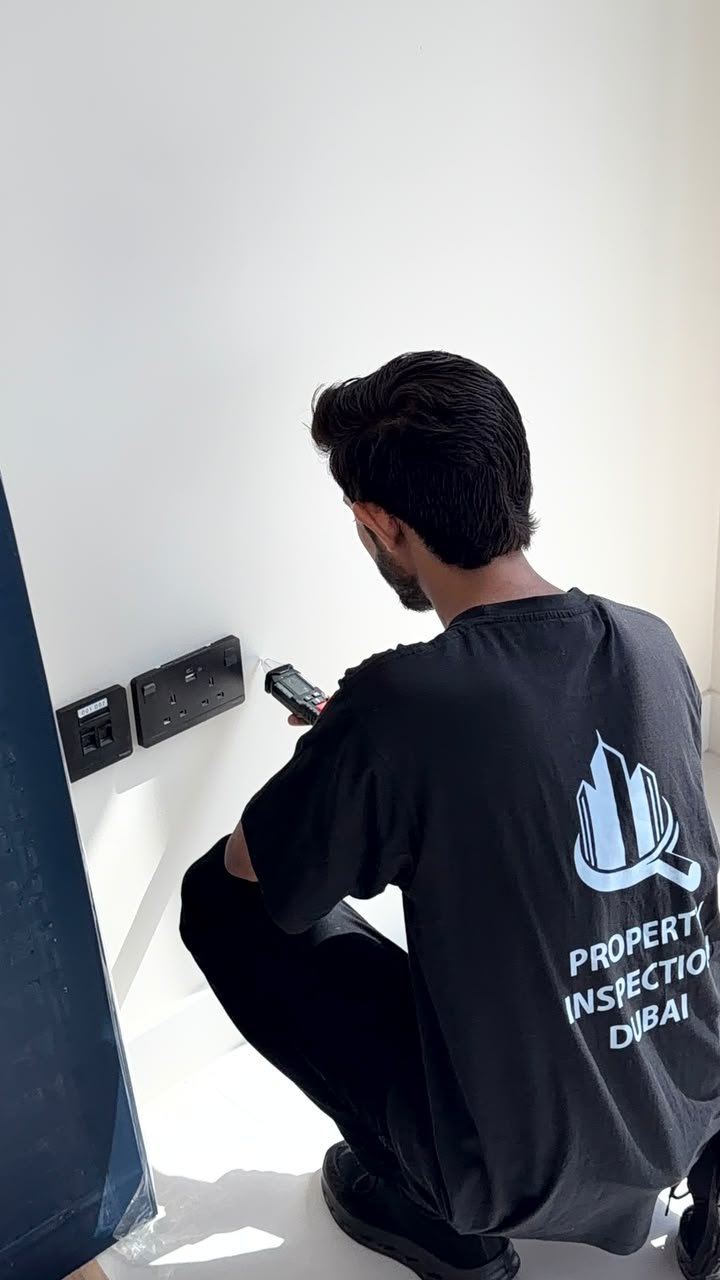
Buying a property can be a great option for finding your perfect home in Dubai. Whether you’re looking for an apartment close to your workplace or a family-friendly villa, knowing exactly the condition of your property is key. Have a professional property inspection Dubai. It helps you spot visible issues, repair requirements, or potential problems before you sign on the dotted line.
Even if the property looks brand new and well kept, you could have issues with leaking plumbing. There may be issues with poor air conditioning. Electrical issues and broken seals are also possible. There may be some obvious issues but others may require specialist equipment to pick up. Knowing what could be wrong with the property will help you make an informed decision.
The property inspection isn’t to create a perfect property or put you off buying it. It provides you with an informed opinion of the property and what could need repairing. It will also help you avoid any nasty surprises.
Why Resale Properties Require a Different Inspection
A new property will have different considerations than a resale property. New developments have often got issues with incomplete construction, finishing issues and whether the property will match the required specification. Resale properties may have been lived in for many years. The owners may have renovated the property and kept it in good condition.
To ensure the property is in good condition visually and functionally, you will want to ensure that any issues like wall staining are not due to existing moisture. Even if you recently painted the room, you might not be able to tell whether a prior leak has been fixed.
A thorough property inspection can help you see what issues there may be in the property and which issues may require further technical investigation. If the property has had any renovations, been empty for a while or there are visible issues, then it is a good idea.
Age of Property
When viewing a property you will naturally pick up on layout, natural lighting, furniture and general appearance. However, during your property inspection you will want to look for any issues with the finish of building.
Ensure that there aren’t any cracks, staining, blistering, discoloration or uneven areas on your walls and ceilings. Check the corners of windows and doors, edges of ceilings and areas near bathrooms and kitchens for any sign of moisture or previous repairs.
Ensure that there are no issues with your flooring. Cracked tiles, broken laminate, raised edges, uneven areas and loose skirting boards can all be issues. If the property is a villa, inspect external areas you can access, including walls, terraces, and garages.
Not all cracks and staining mean there is a big issue. Just note down any issues you can see. An inspector should clearly differentiate between what they can see and what they think could be the issue.
Plumbing, Bathrooms and Kitchen
Issues with plumbing can be very frustrating and costly. Before buying a resale property, verify that visible taps, sinks, toilets, showers, and pipework are all functioning. Ensure that the water is flowing properly.
Look for dripping connections, damp cabinets, broken sealant or unexplained moisture. Check the grouting, tiles, shower and edges of sanitary products in the bathrooms.
Check the work tops, loose cabinet doors, worn hinges and any signs of leaking underneath the sink in the kitchen. If the property includes appliances, list them in the inventory and, if possible, verify that they work.
You cannot visually check all pipework and waterproofing; if you notice moisture, strange smells, or repairs, schedule a follow-up investigation.
Ask the seller if they have any records of major plumbing issues.
Air Con & Electrical
As Dubai can be a hot place, air con is an important feature. Resale apartments and villas may have had their air con running for a number of years.
Ensure that the system is working properly, responding to normal controls and air is coming through the correct vents. Listen out for any odd noises, strange smells, visible condensation or leaks. If there appears to be a lack of cooling, a qualified technician may need to investigate.
Check any electrical fittings. If possible, check that the light switches and lights are working properly. Ensure there are no broken covers, loose fittings, exposed wires or any other issues. A qualified professional with the correct equipment should perform any further technical checks.
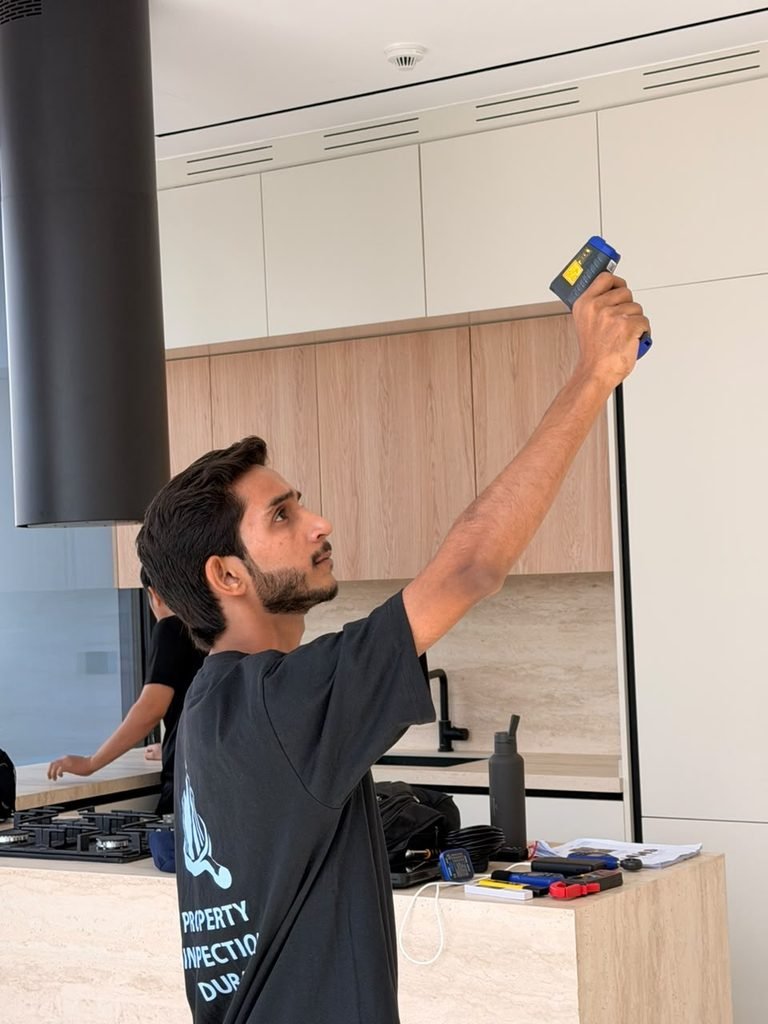
A professional property inspection service may use specialist equipment to investigate certain issues. If the inspection includes checking for issues, using equipment such as moisture meters and thermal imaging can help identify any anomalies. Inspectors must interpret the results correctly.
Moisture Issues
It is important to check for any signs of moisture. Whilst there may be visible signs of issues, it may not be clear where they are coming from. Plumbing issues, roof or terrace problems, condensation, or repairs already made can stain ceilings in bedrooms.
Check around windows, bathrooms, kitchens, air con and external walls. Look for peeling paint, blistering, discoloration, musty smells and visible could. If possible, check under sinks and around pipework.
Rooms that are damp and not well ventilated can cause continual moisture issues. However, you won’t be able to see the full condition of hidden surfaces.
If you identify issues during the inspection, ask the inspector what they found and whether they would recommend specialist assessment.
What Should Be Included in the Report?
As well as the actual inspection, the quality of the report is important. A generic report won’t help you much. The report should clearly state what issues there were and where they were.
Ask the property inspection company what they include in their reports. Provide photos, room references, issue descriptions, and recommendations for further assessment. You should know the priority they assign to the issues and what isn’t included.
A useful report should identify issues, such as leaks under the kitchen sink, and indicate where they are. They shouldn’t claim to know the exact cause unless they can back this up.
Ask if the inspector will explain the findings. This will help you understand what issues are purely cosmetic, what will impact the normal running of the property and what may need immediate technical attention.
Knowing what isn’t included in the service is important. A standard property inspection may not include structural certification, a full survey of hidden services or assurance that there won’t be any further issues.
How to Choose the Right Inspection Company in Dubai
Not all property inspection companies will offer the same service. When selecting a company to carry out the inspection, ensure they are doing what they say.
Ask them what qualifications they have, how experienced they are with similar properties and how they will record their findings. If you are buying a large villa, ensure they will check the relevant external areas and any accessible pipework. If you are buying an apartment, ask if they will check the internal of the unit, windows, pipework, electrical fittings and air con.
Ask how long it will take to receive the report, if they offer any further assistance and if there is an extra charge for any specialist assessments. If there is a pool, lots of automation or anything else complicated, ensure they include this or if it will need a separate inspection.
The best property inspection company for your property will be one that will cover what you need and will explain their findings clearly. A cheap option may be tempting, but you should know what is included.
When Should I Get an Inspection?
Ideally you should arrange an inspection so the findings help you decide whether to purchase and engage in relevant negotiations. It depends on the property, how you access it, and what the seller has agreed.
If possible, get the inspection done before you purchase. This will give you clarity on how any issues or further investigations will be dealt with. If there is an issue that could cause any safety issues, continual damage or significant repairs, you may need advice from a relevant specialist.
Ensure you have read through any documents relating to the sale. Whilst the report will give you evidence of what you saw, it won’t tell you who is legally responsible for repairs.
If you have already purchased the property, an inspection can help give you an idea of what the property is like and how it will need to be maintained. It can also be useful if there have been renovations or continual issues.
What to Ask Before Booking an Inspection
Take some time to ask a few questions. What will they be checking? Will there be photos included? What can they test?
Ask if they have experience with this type of property. Will they check external areas, garages, terraces or anything else relevant to your home? If you have noticed any specific issues, for example damp patches or odd noises from the air con, let them know.
Ask how they will priorities the findings and if they can recommend further assessment. The more clearly they can answer these questions, the easier it will be to compare.
A good inspection should give you a better understanding of the condition of the property, what evidence they have and what you should consider.
Make an Informed Property Purchase
Purchasing a resale property is a big financial decision. Whilst the property may look nice when viewed, it is important to take note of the condition of the plumbing, electrical fittings, air con, finish, windows and any accessible parts of the property.
A thorough property inspection will help you know what visible issues there are and where any further investigation may be required. When choosing who to use, ensure they have a qualified inspector, will clearly define what they will be checking and will provide a useful report.Whilst a professional property inspection can’t guarantee there won’t be any issues with the property, it will give you a better understanding of what you are purchasing and help you make an informed decision.
