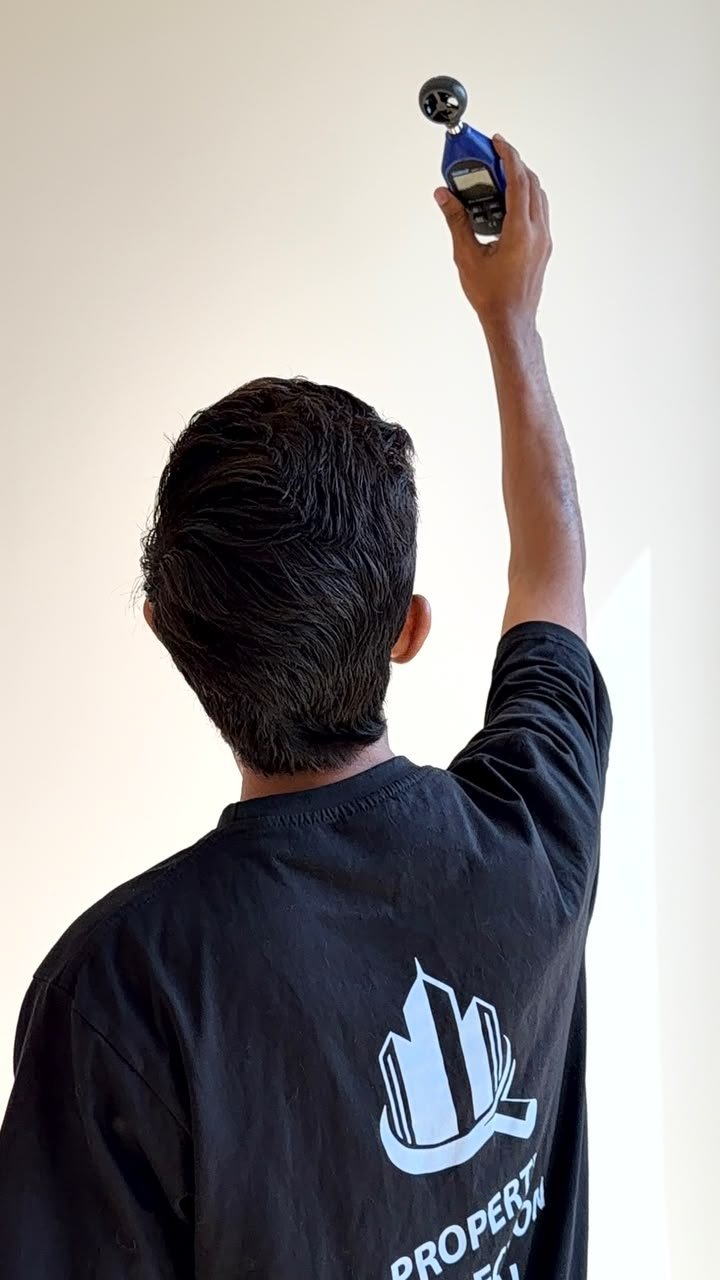
For commercial property, the property inspection Dubai services provide two functions; protecting your asset and cut down on avoidable maintenance costs. An inspection identifies defects and provides an insight into the condition of the building, aiding the business owners, landlords and investors in making decisions on repairs.
Whether you are buying an office, managing a retail unit, investing in commercial space or preparing a finished building for occupation, a snagging and inspection can make all the difference.
A finished building is rarely fit for occupation. Drains can be faulty, finishes and plinth protection can be damaged, fixtures may not be functioning, among other issues. Landlords, investors, developers and managers need to understand the current condition of the property and what deviations are acceptable and not.
Plinth protection in particular should be scrutinized as it can reveal a lot about drainage, finishing and any possible moisture problems at the base of the walls. In combination with a snagging list and a property inspection report, a commercial owner can make informed decisions.
Why Businesses Should Make Inspection a Priority
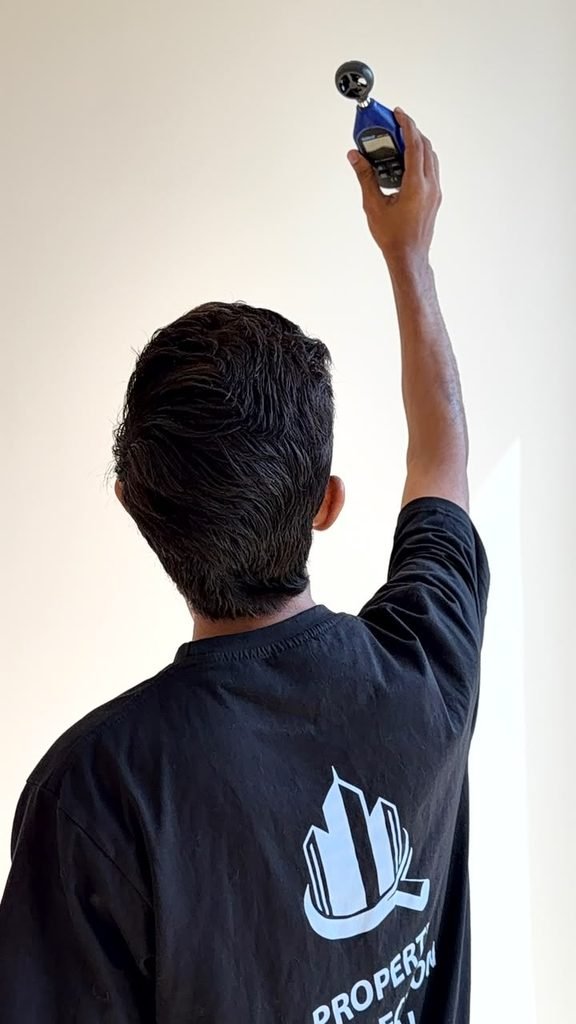
A commercial property is a considerable expense. Businesses must consider maintenance spending and running costs, among other factors. A professional inspection gives investors, landlords, developers and managers a reference point prior to hiring contractors.
Additionally, businesses should understand what visible defects mean in terms of usage. An investor buying an office building may want to discuss acceptable and unacceptable deviations with the seller prior to all works being complete, while a landlord will need to understand what repairs take priority. A developer can use the snagging inspection to record the works remaining at the date of the inspection.
Prior to keys being handed over, an inspection can help submit identified defects to the developer for review and resolution per the relevant snagging procedure. For an existing commercial building, the same approach can help to devise a repair and maintenance plan.
While an inspector can document visible defects and their impact on the building’s continued use, more serious issues require separate expert assessment. This includes structural safety, fire safety, electrical systems and similar areas.
What Is Plinth Protection, and Why Should Businesses Care?
Anyone searching for information on building maintenance may wonder, what is plinth protection, and why does it feature in a snagging inspection?
The plinth is the base of a building’s walls, above ground level. Plinth protection is the surface, surrounding the base of the wall, in the form of concrete, paving, tiles or other materials, depending on the design and construction documents. Its function is to direct water away from the building and prevent it from collecting at the walls.
For a commercial owner, this makes it a practical concern. Moisture at the base of the walls can lead to recurring maintenance costs. Water that accumulates can lead to staining, damp patches and deteriorating finishes. The cause of this may be related to poor drainage or an apparent issue, such as cracks and uneven surfaces.
During a snagging survey, a commercial inspector will assess the accessible parts of the plinth for cracks, unevenness, failed sealant, etc., that can allow water to collect near the building. They will also look at the accessible parts of the walls for any water damage and record areas of concern. Stains and discolored patches are given particular attention, particularly near drainage, landscaping and irrigation.
One consideration here is that the condition of the plinth surface does not indicate the condition of the foundation. The surface of a damaged plinth may have negligible effect on the structural integrity, and yet require maintenance to prevent water issues.
For large commercial sites, these observations can help to decide where to spend on maintenance on a priority basis and avoid minor issues developing into more expensive repairs.
Plinth, Drainage and Ground Conditions: One System
Review the building plinth, the drainage and the surrounding ground together as one system.
When examining one part, look at the accessible parts of the other two. When considering whether water is being directed away from the building, check whether water can pool on the edge of paving and look at the surface for cracks, uneven patches and other defects impeding drainage. If you find staining or damp patches at the base of a wall, try to identify the source. Drainage and landscaping features nearby may be the cause.
Irrigation features warrant a close inspection on commercial sites with landscaping, which can be the source of frequent maintenance costs. Irrigation water can seep through paving and collect at the walls. Heavy rain can have the same effect if the building’s drainage is faulty. Neither of these problems indicates the property is unfitted for use, but both can benefit from specialist maintenance.
For warehouses, offices, retail spaces and other commercial buildings, the ground surface is a key part of the site’s condition. Faulty drainage or damaged paving can be a hazard and impede vehicle traffic, even if no water can be seen during the inspection. A well-prepared snagging report will help to spend based on what the inspector has found.
How Snagging Work Helps Control Construction and Maintenance Costs
Snagging work is a list of the defects, omissions and other issues a contractor needs to address. For a business, it is a valuable tool for controlling repair and maintenance costs.
Teams often carry out a snagging survey as part of a pre-handover inspection. Similarly, a survey can be applied to an existing commercial building. Defects can hurt a business directly. A faulty door mechanism can impede daily operations. Plumbing issues will disrupt operations. Poor finishes can lead to recurring maintenance. A snagging survey allows an owner or facilities manager to list the deviations and ensure someone tackles them.
When compiling the list, rank issues based upon how much they affect the building’s usage. Alongside cosmetic defects, the inspector should look at accessible building systems for faulty work or parts that cannot perform their intended function. A typical list covers doors, windows, floor finishes, plumbing and electrical fixtures, ventilation and AC, and other elements within the agreed scope of work.
Describe each finding clearly so that vague descriptions do not garner the attention of a contractor. Ideally, each entry has a clear description and a photo, along with a priority level based upon urgency and business impact.
Structure the list in a way that allows you to assign each issue to the relevant party and follow up to completion. A facilities manager can flag an incorrectly installed drain and a minor cosmetic mark on a windowsill in the same report. On large developments, the list also separates responsibilities between several contractors, defining reach’s scope of work.
Know the difference between a snagging survey and a technical inspection. A snagging survey identifies the visible defects within the agreed scope. A technical inspection is a formal evaluation of a building’s technical aspects. Often, a technical survey will be required to uncover the cause of a suspected defect or carry out an assessment of compliance with regulations and standards. A snagging survey should not attempt to address every technical aspect.
Creating a Useful Snagging List for Commercial Properties
A snagging list is a record of the findings of a snagging survey. Without careful organization, it can lead to disagreements with a contractor and have the contractor fix only the symptom of a defect.
For a commercial property manager, this list makes sure that everything is addressed. A good list describes each defect and names who is responsible for fixing it. One entry may describe a faulty window mechanism and ask the relevant contractor to review it and schedule repairs, while another note may address a failed seal on a ground-level windowsill and make the same request.
Rank issues based on their urgency. Some defects require immediate attention even if they appear to have little impact on the day-to-day use of the building. A fault in the pressure-reducing valve of a building’s plumbing system, for example, can affect operations in the future even though the immediate impact may be minimal.
A practical list shows the issue, its impact and the action required, and ideally, the status of each item, who is responsible and what date of resolution. With several contractors, the list separates responsibilities based on their contracts and reminds each of the outstanding items on their part of the site, aiding continuing property management.
Why a Property Inspection Report Helps Landlords and Investors
A property inspection report is a formal document that sets out the inspection’s findings and conclusions and recommendations based upon them. Its value depends on how well it aids the maintenance and management decisions.
A good report identifies the issues, explains what they mean and recommends how to deal with them. It describes each defect in such a way that the reader understands it. It also includes photos that show the position of each issue within the building or on the site.
Investors can use the report when negotiating the terms of a purchase, while landlords may use it to understand what issues require immediate attention. In both cases, it records the conditions observed and guides the subsequent actions. A facilities manager can use the findings to create a maintenance schedule and ensure the most critical issues are given priority as stipulated in the lease agreement.
Remember that a property inspection report is not a certificate of regulatory compliance. If your business needs one, make sure to mention it prior to the inspection. You will need to ensure the report includes the relevant information, or that the relevant authority completes the verification.
Keep your reports, defect photos, snagging lists and maintenance records together, providing a reference for subsequent inspections. Tracking findings over time will also help to see if the same issues recur.
Using Inspection Equipment to Find Potential Issues
Modern equipment helps commercial owners to find a range of issues. However, you should understand the scope of the inspection and the limitations of the tools.
A home inspection typically uses thermal imaging devices, moisture meters, laser measuring instruments and similar equipment. In a commercial setting, an inspector can use the same equipment, assuming the conditions are appropriate and the scope of the agreement allows it.
A moisture meter will show dampness in accessible materials. Thermal imaging can reveal temperature-related issues. Other equipment can test electrical systems, assuming that the inspector is qualified to use it.
Equipment does not guarantee that every issue will be found. Thermal imaging and moisture meters provide approximate readings, and these need to be read in context. When arranging to use an inspector, ask what equipment they will use and what it can identify. This will give a realistic view of the report’s value and the issues it may miss.
The goal is simple: use equipment to get accurate information on the property’s current condition.
Understanding the Dubai Building Code and UAE Building Regulations
Many people search for information on the Dubai building code, while some opt for the short expression “code Dubai.” Businesses should know that an inspection, including a Dubai property inspection, does not demonstrate compliance with building regulations on its own.
Dubai Municipality publishes the Dubai Building Code. It sets out minimum requirements for building design and construction, including those relating to health, safety, welfare and general convenience. The code applies to building designs that the competent authority has approved in accordance with its provisions.
The term UAE building regulations covers a range of building-control requirements issued by local authorities. These can differ depending on the emirate, development type, approval status and other factors. Consult the relevant local authority for guidance on building and construction regulations.
When understanding the requirements that apply to your property, consider the building’s condition and the purpose of your inspection. A standard snagging survey documents visible defects. It does not identify or address code compliance unless the scope of the survey specifically mentions it. If you are concerned with a specific provision of the Dubai building code, ask a suitable professional which requirements apply and what you should do next.
How to Arrange a Property Check in Dubai Before Handover
When searching for a property check Dubai service, start with your goal. A new office building, a retail unit, an investment property and a building under refurbishment are all different.
First, outline your requirements. Include the scope of work, the property type and size, and any areas of concern. If plinth protection, drainage or moisture are a priority, make sure to mention them when you book.
Also, ask whether the service includes a report, what it contains and whether it helps you identify items to raise with the relevant contractor. Clarify whether the inspector will test accessible systems and whether technical equipment will be available when needed.
Choose a service based on its agreed scope, rather than its advertised price. A cheap option may miss out on some of your concerns. A broader inspection may be overkill if you only want to priorities likely maintenance issues.
Turning Inspection Findings Into an Action List
An inspection is only as good as the action that follows it. When receiving the report, review it and turn the findings into an action list, ranking the findings in order of urgency and following up to ensure the identified issues are resolved.
For a building still under construction, submit the relevant items to the developer under the agreed snagging procedure, and keep the report for reference.
Protect Your Commercial Investment With a Clear Plan
Commercial buildings reward owners who are on top of the details. A thorough inspection reveals the details, giving insight into what is wrong, where it is and how urgent it is. A clear snagging list turns the findings into assigned tasks. And a solid property inspection report gives you a record for negotiations, maintenance and follow-up checks.
No inspection can promise a defect-free building. Concealed systems, structural elements and code compliance require specialist review. However, a careful inspection and subsequent action can help you to control costs and avoid unpleasant surprises.
