
A professional property inspection Dubai property owners arrange should achieve more than spot visible damage. It should help the owner assess the building’s condition. It should pick up on incomplete work and notice defects that could impact performance, maintenance, or continued use. A methodical inspection benefits apartments awaiting handover or offices awaiting opening. Such inspection can reveal issues that may go unaddressed until the building is occupied.
Residential and commercial buildings serve different purposes. However, the same factors affect performance: workmanship quality, proper installation, and ongoing maintenance. Residential and commercial buildings differ in their intended use and in the components that require special attention. Understanding the distinction is important to ensuring that snagging is valuable to homeowners, landlords, investors, developers and business owners alike.
Why Professional Snagging Helps More Than Handover
People usually associate snagging with buying a property. Thus, it is important for prospective owners to perform snag checks before taking ownership of a new apartment or villa. Snag checks prove equally valuable after completing a commercial fit-out. A property is renovated. The property owner is preparing an existing building for a new tenant.
Snagging aims to identify any visible defects, incomplete works, and areas of concern within the agreed inspection scope. These could include uneven floors and damaged finishing materials. They may also involve fitting problems with doors, taps that drip, drainage issues, or air-conditioning controls that malfunction.
A professional inspection will also serve to record what the property owner needs to address. Instead of just verbally mentioning any issues to the developer, contractor or landlord, a detailed inspection can be provided as the basis for further action.
For anyone arranging property snagging Dubai services, it is important to realist that the quality of the work performed is as significant as the number of defects recorded. Presenting the findings requires careful handling. The report must clearly outline the necessary next steps. The report should also identify any further investigations to carry out.
Residential and Commercial Properties Require Different Approaches
People use a residential property for living. The designers design the internal layout and fittings to meet occupants’ comfort and convenience. Inspectors must examine residential buildings with these factors in mind during inspections. During inspection, a snagging inspector checks how easily doors open or close. They also inspect tile damage and fittings, and verify that air-conditioning works correctly. These are all areas which can impact on the enjoyment of a home.
Commercial buildings have higher demands for electrical supply. They require air-conditioning, and access and egress. Data cabling and other equipment are also important. The inspector must consider the business occupying the premises’ requirements when inspecting a commercial property. Appropriately qualified professionals must address additional fire safety requirements for certain premises.
A residential inspection should focus on the needs of the property’s occupants. It should also account for the fittings they are likely to use. The inspector should plan a commercial inspection around the intended use of the premises and the fit-out specifications.
This distinction matters. A generic list of items cannot apply to every building. Instead, it is necessary to agree the scope of the inspection. We show the owner that the checks were completed. Where needed, specialists have performed testing.
What Inspectors Learn From Residential Snag Work
Snag work on residential properties often focuses on the visible aspects of a building. As a professional inspector, it is important to recognize the implications of these elements. However, do not limit the inspection to a superficial examination. On a recently completed property, a poorly sealed window may seem like a small finishing issue. If left unchecked, it could allow drafts or moisture. If it is at ground level, the defect could allow dust to enter the property. It may also create droughts or admit moisture. Similarly, a floor in the bathroom which does not slope away from the shower may lead to persistent puddles rather than a simple unsightly blemish.
The snagging inspector typically starts with the visible finishes. They assess installation quality and note any imperfections. Following this, they will observe the operation of the various components within the agreed scope of inspection. These items are likely to include walls, ceilings, and floors. They also cover windows, doors, cupboards, and fitted furniture. The inspector may include sanitary fixtures and fittings, pipework and connections, lighting, and air-conditioning controls.
A villa inspection could also extend to external components and areas of service infrastructure. Property type determines the scope, which may involve boundary walls and terraces. It may also cover accessible roof areas, external finishes, and any visible service installations. The extent of the inspection should reflect the villa’s needs. Do not treat it as an enlarged version of an apartment.
The key element to residential snagging, then, is to relate the observations to their practical implications. The inspector should note the broken tile. It should also note a door that does not shut properly, or a drain that fails to remove water. In all cases, provide specific detail. This helps the owner locate the problem and assess its potential impact.
Commercial Inspections Need to Consider How the Building Will Be Used
Commercial property owners tend to focus on the appearance of their premises when considering snagging. The condition of the ceiling, walls, flooring and other finishes will influence the overall impression. These elements alone, however, cannot indicate that the property is ready for its intended use.
The purpose of a commercial building will dictate the fit-out requirements. The snagging inspector should verify that the installers install all components correctly. The snagging inspector must ensure lighting, power supplies, and data connections are correctly installed. It must position air-conditioning ducting to provide the required cooling. Doors must operate correctly, and meeting rooms or communal areas must be in order. A retail unit may require closer examination of lighting and display equipment. Shopfront glazing, entrance doors, and floor finishes must bear the weight of customers. Restaurants and other food service premises often involve more complex elements such as ventilation, drainage, pipework and equipment installation. The inspection scope should be expanded to cover these requirements. Specialist checks should be carried out where necessary to confirm compliance with technical and statutory requirements.
Commercial snagging also involves examining the relationship between the work performed by the contractor and the agreed fit-out specification. If a power point is not installed in the position shown on the plans, the issue may compromise property use. Similarly, a door placed to interfere with the building’s intended operation can affect function. Despite appearances, the issue may still impact usability; addressing it before occupation reduces rectification disruption. Addressing such matters before occupation helps ensure rectification work is simpler. It also reduces disruption to the intended business or operational schedule.
Why Plinth Protection Deserves Attention
Plinth protection is an element of a building’s external finish which can be overlooked when focusing on snagging. Plinth protection covers the lower part of a building. It typically helps prevent damage to the external wall from water ingress.
During a snagging inspection, the area around the base of the building should be examined for cracks in the protective finish, other signs of damage, and the presence of water. The inspector should also ensure that the surrounding ground does not cause water to accumulate against the building.
The significance of these observations will depend on the design of the building, the surrounding site and drainage layout, and any other relevant construction details. A visual inspection of the exposed plinth area will not be sufficient to confirm that waterproofing has been correctly applied behind the finish, or that the installation complies with technical specifications.
Where water is pooling around the base of the building or damage to the plinth finish is apparent, these observations should be recorded and investigated further if necessary.
A specialist may need to be contacted to examine the waterproofing details and confirm that the ground drainage is not contributing to the problem. The presence of moisture around the plinth area could indicate a number of issues ranging from poor waterproofing to problems with the building’s drainage system.
Plinth protection is relevant to the principle that property inspection requires equal attention to be paid to external as well as internal finishes. If we do not give external elements the same consideration as the interior fitted finishes, the building’s performance can be compromised.
The Role of Tools In Professional Snagging
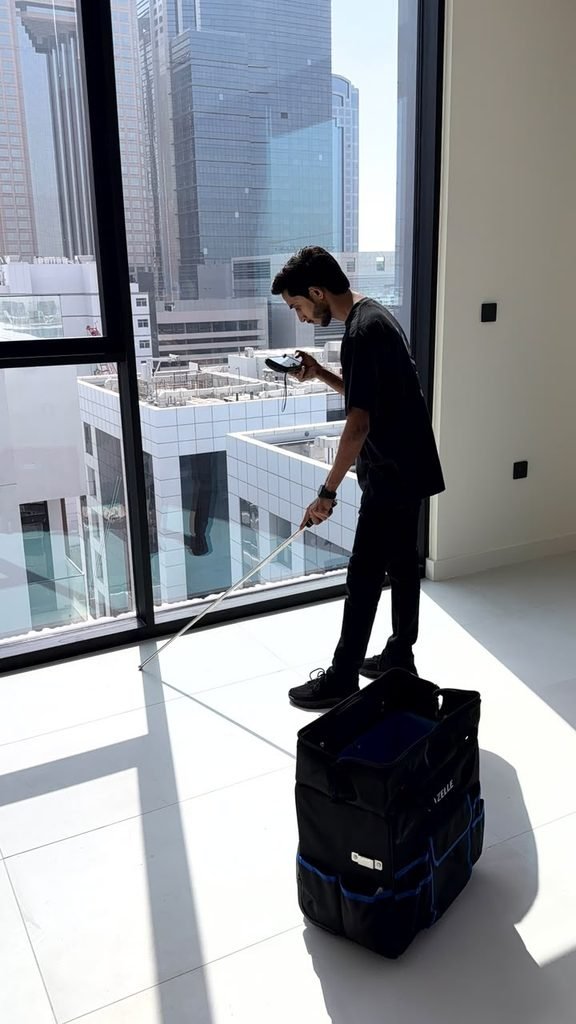
Inspection tools help us make the findings of a professional inspection more objective, and we should use them to supplement rather than replace professional expertise.
A basic range of equipment may include a torch, measuring devices, a camera and instruments to test the condition of accessible surfaces and fittings. The inspector should supplement these with specialist equipment such as moisture meters, thermal imaging devices, or laser measurement tools to investigate specific concerns, depending on the scope of the inspection.
A moisture meter can help identify areas needing further investigation, and we must interpret the results in context. Similarly, thermal imaging can highlight areas of interest which may not be apparent at first sight. However, neither technique can automatically confirm a defect, and testers must follow up unusual readings with further testing.
The choice of snagging tools will depend on the type of property and scope of inspection. The equipment needed to examine visible cosmetic defects will be different to that required for investigating moisture ingress or the performance of an air-conditioning system.
It is equally important to recognize the limitations of a snagging inspection. Specialists must examine concealed elements such as wiring, pipework, structural reinforcement, and waterproofing behind finishes. The inspector should always state these limitations in the inspection report.
What Makes a Useful Snagging Report?
The actions following an inspection determine its value; organize a snagging report to help the owner address the findings. A simple statement that there are defects in a particular room will leave too many questions without answers.
Staff should clearly identify each observation with a location and an accompanying photograph, if possible, and include details for action. The team should record the problem’s nature in the report and decide if specialist advice is necessary, where appropriate.
When you turn on the tap, water comes out of the shower drain. It gives the receiving party a firmer basis to act without unwarranted assumptions.
As a result, a well-structured snagging report will be easier to follow and allow the owner or their representative to deal with the findings in a logical manner. This will help the owner or their representative address issues or request a re-inspection to verify completed rectification work.
The inspector cannot rely on a snagging report to confirm rectification or that hidden defects exist. The inspector should provide a clear statement of the findings and specify the details needed for any further action.
Choosing a Snagging Company in Dubai
Selecting a snagging company Dubai property owners can rely on requires more than price comparison. The inspector must tailor the inspection to the building’s type, size, and intended use.
Before selecting a provider, ask about the inspector’s experience, the areas covered, the testing methods, and the report format. Owners of commercial premises should verify that the provider understands the fit-out requirements for the building type and the required specialist checks.
Please confirm if the original fee covers a follow-up inspection when rectification is needed.
The cheapest option may provide inadequate coverage of the property, and it is important to make sure the scope is appropriate as well as the quality of the report. At the same time, a higher price does not always guarantee a more comprehensive inspection. It is worth comparing what each provider offers in terms of testing, reporting and the suitability of the proposed inspection to the building under review.
The same considerations apply to property owners arranging a home inspection. Unless the owner already has a preferred inspector, it is necessary to ask the right questions. Which items will the inspector examine? Which elements will the home inspector not test? What should the owner do if the inspector identifies a possibly serious issue?
When Should You Arrange a Property Inspection?
The best time to arrange a property inspection will depend on the purpose for which you are carrying it out.
For a newly-built residential property, snagging before handover will enable the buyer to identify any visible defects before taking ownership. They should follow up by acting in accordance with the procedures set by the developer, and any applicable legal requirements.
For a commercial unit, an inspection before occupation or the commencement of business can highlight any fit-out defects. If the building has recently undergone renovation, a similar inspection can confirm the presence of any snagging issues with the completed works.
An existing property may also benefit from inspection prior to a change of tenancy or to address reported maintenance issues. We should define the scope according to the purpose of the inspection.
We should plan ahead to produce reports and take further action without disruption. The owner should allocate sufficient time to arrange specialist tests with the appropriate professional when needed.
A Practical Approach to Better Property Quality
Professional inspections do more than observe cosmetic defects; they methodically assess workmanship quality and identify issues needing further investigation.
Inspectors carry out snagging correctly by providing a clear report, using appropriate tools, and defining an inspection scope that reflects the building’s needs. Elements such as plinth protection, drainage, electrical installations, ventilation requirements and the quality of finish are all important considerations.
When arranging a property inspection, whether for a home or a commercial building, it is necessary to keep these factors in mind. A methodical approach will produce better results, and provide the owner with the information they need to make the necessary arrangements. The inspection cannot guarantee every hidden defect, but it identifies issues that may affect the property’s performance or occupancy.
