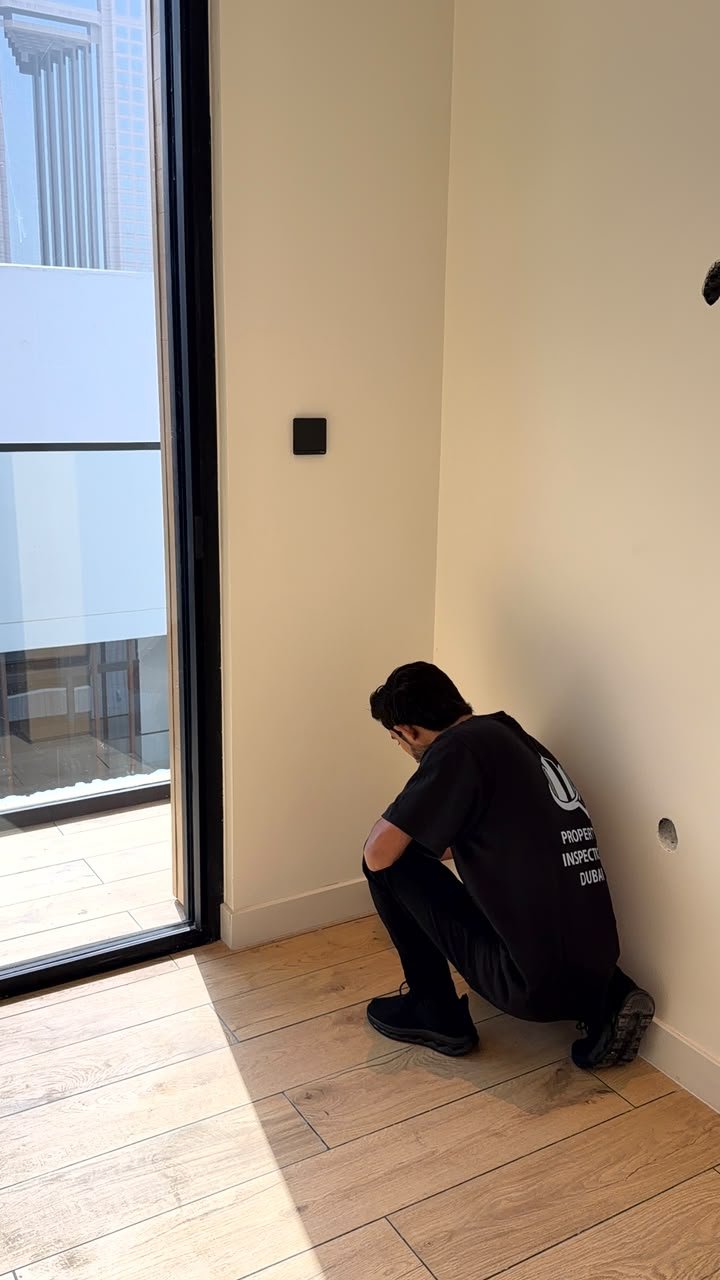
Contractors often overlook plinth protection after finishing residential construction. Located near the base of a residence, the plinth helps manage surface water. Consequently, it also minimizes moisture-related issues around the plinth. Dubai-based homeowners should understand plinth protection‘s importance. This applies when reviewing a prospective villa purchase. It is also relevant during a property survey and when discussing snagging and rectification works. A thorough property inspection can help to identify visible cracks, compromised finishes, and drainage-related issues that may need further investigation.
Attention to the villa’s interior layout, finishes, and overall condition remains high. Base-level construction elements near the building’s base still warrant scrutiny. If left unaddressed, moisture accumulates near the walls. The surrounding surface layer becomes compromised, risking finishes.
Hence, plinth protection becomes a vital consideration for property snagging. Visual inspection rarely reveals the condition of the underlying foundation or waterproofing membranes. It can help identify visible irregularities and prioritize the need for expert examination.
What Is Plinth Protection in Building Construction?
Plinth protection is a layer or paved surface at the building’s base. It facilitates moisture management and prevents water from accumulating against the walls. It usually takes the form of concrete, stone, tiles, or another surface layer. This depends on the chosen architectural details and construction specifications.
The primary function is to allow surface water to flow away from the building’s walls. Slope the surface to promote water drainage and prevent excessive moisture along the plinth. This building detail is particularly important for residential buildings with landscaped gardens. It also applies to paved surfaces, irrigation systems, and other objects that hold water.
At the same time, it is essential to recognize that plinth protection is only one element of a larger system. This system includes the building’s foundation, waterproofing, and other critical components. As such, its condition is highly dependent on the quality of construction, drainage, and other environmental factors.
Why Plinth Protection Matters in Dubai
Plinth protection is a particularly important consideration in the UAE due to local climate conditions. Extreme temperatures and dry conditions affect exterior building finishes. Irrigation systems further contribute to moisture buildup. Water from garden irrigation systems can accumulate near villa walls. Improper grading of the local surface layer causes this. Similarly, intense downpours can cause excessive moisture buildup on the property’s periphery if the local drainage system is insufficient.
In many cases, such issues cannot be immediately apparent to the naked eye. Visible signs of dampness and salt deposits on the building surface should prompt further investigations. A professional property inspection in Dubai identifies such concerns and addresses the underlying causes.
Plinth Protection Concerns: What To Look For?
A qualified specialist may need to address a number of concerns revealed by a visual inspection of the building’s base.
Cracks or damaged surface layer
Look for large cracks and other visible defects in the local surface layer, tiles, concrete, or other building materials. Address any apparent issues, but remember that minor imperfections do not always indicate serious problems with the building’s foundation or plinth protection integrity. Report any observed irregularities to the specialists during a property inspection.
Incorrect surface slope
The local surface layer near the building should have a slope that facilitates water drainage away from the villa. If the ground level or paving slope is incorrect, moisture may pool against the walls after downpours or irrigation. While a visual inspection can identify apparent issues, determining the correctness of the local grade requires additional investigations.
Gaps, cracks, and damaged joints
Look for large cracks, gaps, or other visible defects in the surface layer, particularly near the building’s wall or at the interface between different building elements. Such flaws can allow moisture to penetrate enclosed spaces and undermine the integrity of the surrounding finishes. A professional inspector should determine the best course of action, which will depend on the construction details.
Visible indications of moisture
Look for dampness, salt deposits, algae, and other indications of moisture near the building’s walls. In many cases, such issues are the result of irrigation or drainage problems, but they can also indicate waterproofing defects and other serious concerns. A professional inspector should always investigate these red flags.
Water accumulation near the building
Look for standing water near the villa’s base, particularly after irrigation or downpours. In many cases, such observations indicate improper drainage or an incorrectly sloped surface layer. Document the observed issues and prioritize them during the property inspection.
How Plinth Protection Fits Into Property Snagging
In general, snagging refers to the process of identifying and documenting building faults and the necessary rectification works. Many homeowners and villa buyers assume that snagging only involves the interior of a residence, but an experienced inspector can also identify a number of concerns in the accessible sections of the building’s exterior.
As such, a villa snagging inspection can be a valuable way to identify the apparent issues with the local surface layer around the building, visible cracks, and other concerns. A separate property inspection may be necessary to investigate the integrity of the underlying waterproofing and foundation elements.
Property snagging in Dubai identifies visible problems homeowners must fix before or during handover of villa or townhouse. As such, it is important for homeowners to understand that a snagging inspector can document the apparent issues but may not have the necessary expertise to evaluate the underlying causes. A competent inspector will provide an honest assessment while recognizing the limitations of their expertise.
The Role of Snag Work and Rectification
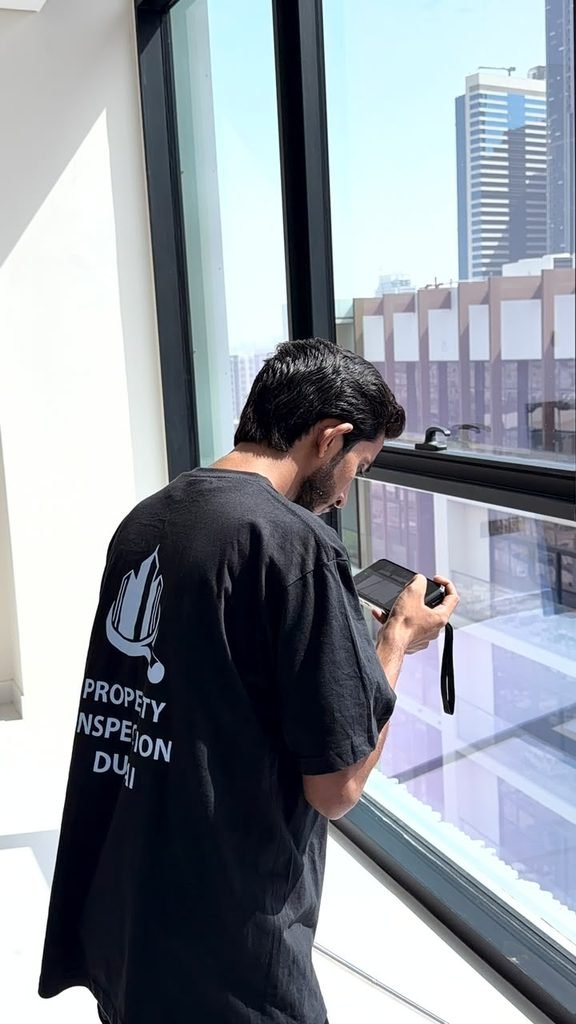
When we identify a defective or deficient element, we determine the necessary repair work. In many cases, snagging issues are relatively minor and only require cosmetic finishing or superficial maintenance. At the same time, certain concerns, such as an incorrectly sloped surface layer or compromised waterproofing, may require extensive investigations before an appropriate course of action can be selected.
A qualified contractor and an experienced inspector can recommend the necessary repair work. In general, it is vital to remember that superficial maintenance, such as filling small cracks and gaps, is not always sufficient to address major drainage or waterproofing issues.
During the snagging process, it is important to document the location of all identified issues and take photographs when possible. Once the necessary repair work has been completed, the rectification should be reviewed to ensure that it addresses the original concerns. For example, if water tended to accumulate near the building, the primary focus should be on the adequacy of the local drainage rather than the aesthetic quality of the resurfacing work.
Good documentation also facilitates communication with the specialists and helps to keep track of completed and pending tasks.
What Homeowners Can Check Before Handover
Prior to taking possession of a newly built villa or a purchased residence, it is essential to conduct a thorough inspection of the accessible building elements. It is not necessary to try to identify all possible issues, but a visual walk through can help to reveal apparent concerns or the lack of maintenance. During such an inspection, make sure to review the local surface layer near the building, looking for cracks, gaps, and other visible irregularities. Ensure that the local slope is adequate to facilitate water drainage and that there are no indications of recurring moisture.
Where possible, review the area near external taps, irrigation systems, garden beds, and drainage outlets for apparent leaks or improper maintenance. Document all concerns with photographs and notes. Where possible, avoid generic terms and label the identified issues clearly. Instead of “exterior defect,” specify the problem: “large cracks on the surface layer near the rear wall.”
Make sure not to dig up the surface layer near the building’s foundation or attempt any other unauthorized building maintenance. If serious concerns, such as large-scale cracking or recurring dampness, are identified, contact a professional inspector to conduct a detailed examination.
Why a Home Inspection Should Include Exterior Areas
A home inspection should always be a comprehensive survey of a residence that extends beyond its interior. Depending on the chosen scope, the inspector can document the condition of the building’s exterior, including the local surface layer near the building and the general condition of the surrounding landscape. In many cases, such an assessment is vital to identify potential drainage or moisture-related issues.
A qualified specialist can document the apparent concerns and review the accessible building elements for additional red flags. In many cases, this applies to villa inspections, where the local drainage and irrigation systems play a major role in moisture management. At the same time, a standard property inspection does not include foundation tests or a detailed examination of the building’s waterproofing. As such, it is essential to understand the limitations of a standard home inspection and ask additional questions if needed.
For homeowners and buyers, such a survey can be an additional opportunity to ensure that the property is in good condition. A similar approach applies to the ongoing maintenance of a residence.
Choosing a Snagging Company in Dubai
For many villa buyers, snagging is an essential aspect of a property purchase. As such, it is vital to choose a competent snagging company in Dubai that can conduct a thorough examination of the villa or a townhouse under purchase. Before scheduling an appointment, ask the company to clarify the scope of the inspection, the list of identified concerns, and the availability of photographic evidence. It is also vital to understand how the snagging company will address the issues that require a separate professional examination.
When choosing a snagging inspector, ensure that the final report clearly differentiates between the observed issues and the potential red flags that require additional testing. Ideally, the report should document the fact that water tends to pool near the building but avoid making unsubstantiated claims about the integrity of the underlying waterproofing.
The Property Inspection Dubai offers property inspection services to residential owners and buyers who wish to obtain an independent assessment of a property’s general condition. You can learn more about the available options by reviewing the property inspection services page or by contacting the company directly. For foundation-related concerns, consider requesting the foundation inspection service, which can help identify cracking and moisture-related issues that may require further attention.
In general, the choice of a suitable inspection will depend on the identified concerns. In many cases, a standard snagging inspection will be sufficient to document the apparent issues. If additional red flags are identified, a separate examination by a qualified foundation specialist may be necessary.
How to Maintain Plinth Protection Over Time
Even when properly constructed, plinth protection should not be overlooked after the completion of residential construction. As such, it is essential to conduct regular maintenance and visual inspections to identify cracks, changes in the surface layer, and other irregularities. In addition, any apparent issues with drainage should be reviewed and addressed when necessary.
Make sure to remove debris from the surface layer to ensure that it facilitates proper water drainage. Review the integrity of the local surface layer and address any apparent defects. When modifying the local landscape or irrigation systems, ensure that water is not directed toward the building. Finally, make sure to review any new markings or indications of moisture near the building’s base, particularly after downpours or irrigation.
Protect Your Property by Identifying Problems Early
Plinth protection is a small but vital detail that can greatly impact the long-term maintenance of a residence. As such, it should be reviewed during a property inspection and addressed when necessary. Cracks and other apparent defects in the local surface layer, as well as issues with drainage and recurring moisture, should all be prioritized during a snagging inspection. For many homeowners, these concerns will be limited to visible issues with the surface layer. In other cases, however, they may indicate more serious problems that require a specialist’s attention.
For Dubai-based homeowners, the best option is to ensure that the accessible building elements are reviewed during a property survey. A competent snagging inspector will be able to document any apparent issues and conduct additional tests if needed. In general, a comprehensive property inspection is always an important step before buying a villa or a townhouse, but it can also be beneficial for existing homeowners and buyers in the middle of a property snagging process. After all, the earlier an apparent defect is documented, the easier it can be to address the underlying concerns.