Common Property Defects Found During Home Inspections in Dubai
Buying a home in Dubai is an exciting milestone, but even the most attractive property can hide defects that are not immediately visible. Whether you’re purchasing a newly completed apartment, a luxury villa, or a resale property, identifying issues before completing the transaction can save significant time, money, and stress.
Professional home inspections are designed to uncover property defects in Dubai that could affect safety, comfort, functionality, or long-term maintenance costs. By combining engineering expertise with advanced inspection technology, certified inspectors provide buyers with a clear understanding of the property’s true condition.
At Property Inspection Dubai, our engineers inspect hundreds of homes every year, identifying both visible and hidden defects before buyers take ownership.
Why Property Defects Often Go Unnoticed
During a normal property viewing, buyers usually focus on the layout, finishes, and location. Hidden construction defects, installation problems, and maintenance issues can easily be overlooked.
Professional inspectors use systematic inspection procedures and specialised equipment to identify issues that are difficult to detect during a standard walkthrough.
1. Water Leaks and Moisture Damage
Hidden water leaks are among the most common property defects found in Dubai.
Leaks may develop behind walls, above ceilings, or beneath flooring without any visible signs during a viewing.
Common sources include:
- Bathroom waterproofing failures
- Kitchen plumbing leaks
- Air conditioning condensate drains
- Balcony waterproofing
- Roof waterproofing defects
- Water supply pipe leaks
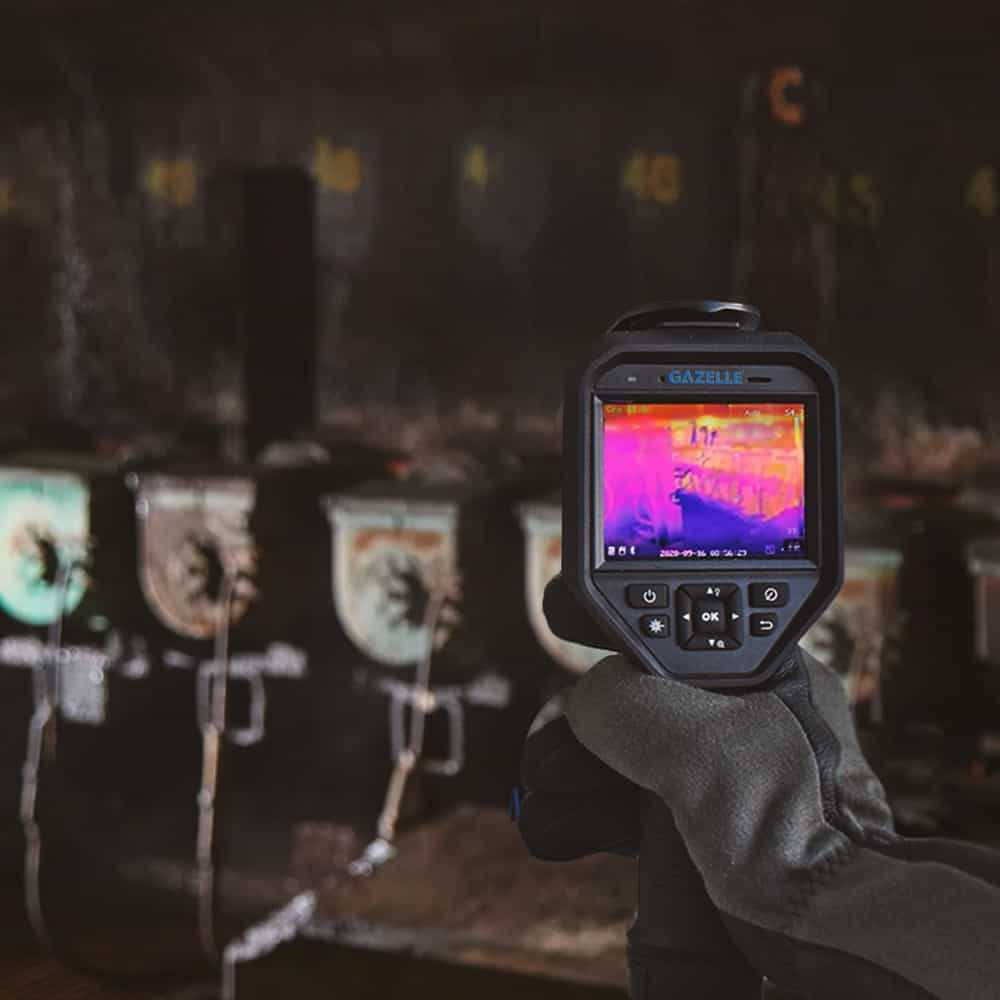
Professional inspectors use thermal imaging cameras and moisture meters to locate hidden moisture before visible damage appears.
2. Poor Air Conditioning Performance
Air conditioning is essential for comfortable living in Dubai.
Home inspections frequently identify issues such as:
- Weak airflow
- Uneven cooling
- Blocked air vents
- Poor temperature distribution
- Faulty thermostats
- Condensation problems
- Noisy indoor units
Early detection helps prevent expensive repairs and improves energy efficiency.
3. Electrical Defects
Electrical systems should always be carefully evaluated before purchasing a property.
Common electrical defects include:
- Loose sockets
- Faulty switches
- Incorrect socket polarity
- Poor earthing
- Damaged distribution boards
- Overheating electrical connections
- Non-functioning light fittings
Professional electrical testing improves safety and identifies issues that may not be visible.
4. Plumbing Problems
Many plumbing issues remain hidden until a property is occupied.
Inspectors commonly find:
- Low water pressure
- Slow drainage
- Leaking pipe connections
- Poor silicone sealing
- Loose sanitary fittings
- Water heater problems
- Drainage defects
A detailed plumbing inspection helps identify these issues before they become expensive maintenance problems.
5. Hollow or Loose Floor Tiles
Tile installation defects are common in both new and older properties.
Professional inspectors check for:
- Hollow floor tiles
- Loose wall tiles
- Cracked grout
- Uneven tile installation
- Chipped finishes
If ignored, hollow tiles may eventually crack or become detached.
6. Doors and Windows That Do Not Operate Correctly
Poorly installed doors and windows can affect security, comfort, and energy efficiency.
Typical findings include:
- Misaligned doors
- Loose hinges
- Faulty locks
- Damaged weather seals
- Difficult sliding windows
- Scratched glass
- Poor closing mechanisms
These defects often result from installation errors rather than everyday use.
7. Cracks in Walls and Ceilings
Not every crack is serious, but every crack should be assessed.
Inspectors evaluate:
- Hairline settlement cracks
- Ceiling cracks
- Expansion cracks
- Wall movement
- Structural warning signs
Professional evaluation helps determine whether repairs are cosmetic or require further investigation.
8. Poor Paint and Finishing Work
Decorative finishes significantly influence the overall quality of a property.
Common defects include:
- Paint runs
- Uneven paint coverage
- Surface contamination
- Poor plaster finishing
- Visible patch repairs
- Damaged skirting boards
- Silicone finishing defects
These issues may seem minor but often indicate poor workmanship.
9. Waterproofing Defects
Waterproofing failures are one of the leading causes of long-term building damage.
Professional inspections frequently identify problems in:
- Bathrooms
- Balconies
- Roofs
- Terraces
- Wet areas
If left unresolved, waterproofing failures can result in mould growth, damaged finishes, and structural deterioration.
10. Kitchen and Bathroom Installation Issues
Kitchens and bathrooms contain multiple systems that require careful inspection.
Common defects include:
- Loose cabinets
- Damaged worktops
- Misaligned cupboard doors
- Leaking taps
- Poor drainage
- Damaged vanity units
- Loose accessories
- Silicone gaps around fixtures
Professional inspections ensure these high-use areas function correctly before occupancy.
How Professional Inspection Technology Helps
Modern home inspections rely on advanced technology to improve accuracy.
Professional inspectors use:
Thermal Imaging Cameras
Used to identify:
- Hidden water leaks
- Electrical hotspots
- Insulation deficiencies
- Air conditioning performance issues
Moisture Meters
Used to confirm moisture levels inside:
- Walls
- Floors
- Ceilings
- Timber
- Concrete
Borescope Cameras
Used to inspect:
- Ceiling voids
- Wall cavities
- Service ducts
- Plumbing spaces
Electrical Testing Equipment
Used to evaluate:
- Socket polarity
- Earthing
- Circuit protection
- Electrical safety
These technologies provide objective evidence that supports inspection findings.
Why Professional Home Inspections Matter
Professional inspections help buyers:
- Understand the true condition of the property
- Detect hidden defects before purchase
- Reduce unexpected repair costs
- Improve negotiation opportunities
- Plan future maintenance
- Buy with greater confidence
An independent inspection offers peace of mind before making a significant financial commitment.
Why Choose Property Inspection Dubai?
At Property Inspection Dubai, our certified engineers conduct comprehensive home inspections using advanced inspection technology and proven inspection methods.
Our inspections cover:
- Structural elements
- Electrical systems
- Plumbing
- Air conditioning
- Waterproofing
- Interior finishes
- Kitchens and bathrooms
- Doors and windows
- Balconies
- General property condition
Every inspection includes a detailed report with photographs, observations, and practical recommendations, helping buyers make informed decisions before completing their purchase.
Conclusion
Property defects are more common than many buyers realise, and not all of them are visible during a standard viewing. From hidden water leaks and electrical faults to poor waterproofing and air conditioning issues, these problems can lead to significant repair costs if left undetected.
A professional home inspection provides valuable insight into the condition of a property, allowing buyers to identify defects early, negotiate repairs where necessary, and purchase with confidence. Investing in a comprehensive inspection before buying a home is one of the most effective ways to protect your investment and avoid costly surprises in the future.
