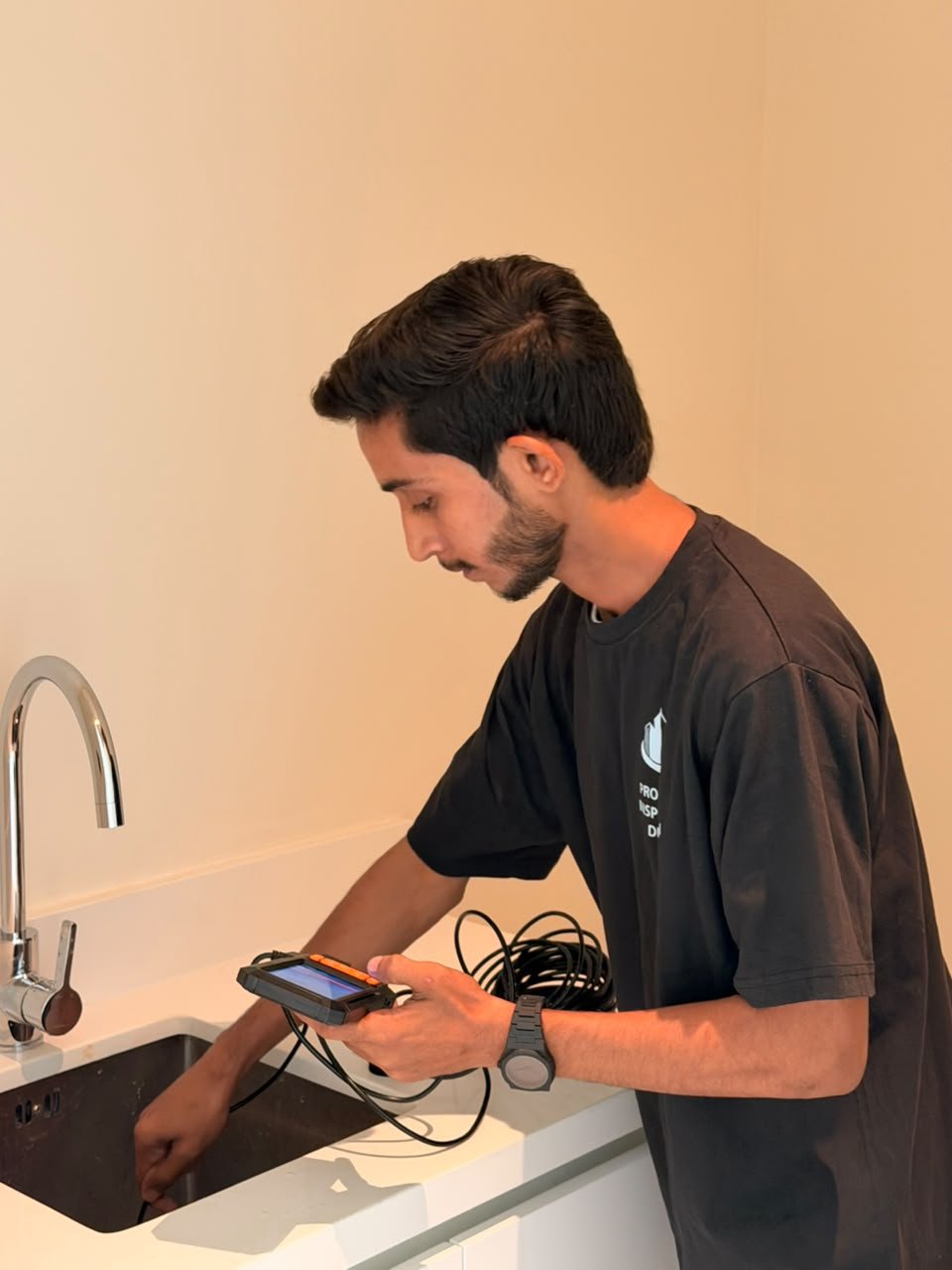
You’ve managed to get your keys, get the furniture inside and even host your first family dinner. Now you’re in the home stretch. Importantly, for most new UAE homes, the defects liability period lasts the next 12 months. During this period, the developer should fix most issues at no cost to you. Additionally, we will repair any issue you identify. To help you identify any defects, you’ll need to carry out a post handover inspection in Dubai. This is a full professional inspection of your property whilst you still have your developer warranty in Dubai.
This guide will explain how the warranty works, what’s covered, when to book your inspection, and how to claim defects in Dubai. This guide targets first-time buyers, seasoned investors, and agents who advise them. No matter what region of the UAE your property is in.
What is a Post Handover Inspection is a detailed inspection of your property once you have possession. This is different to pre handover inspections.
Why would you require both inspections?
Some defects only show once you move into your property. For example, showers can start leaking after a month when used regularly. Air conditioning units can cause issues in the summer months when it is hot but worked fine in March when handing over. Cracks can start to appear once the property settles. Water seeps behind tiles and remains unnoticed until a stain forms.
A good post handover inspection will identify these issues. A certified inspector will check every room and system within your property. The inspector will provide you with a photographic report you can send directly to your developer. This applies to apartments, townhouses and villas, and is one of the most useful property inspection services available in the UAE at the moment.
What is the Defects Liability Period in Dubai?
The defects liability period (often known as DLP) is the period of time after handover that the developer must repair any defects in your unit. This is usually 12 months.
Dubai Law No. 6 of 2019 establishes the rule for apartments and shared properties. Article 40 states:
- 1 year – The developer must repair or replace any defective installations such as mechanical and electrical. This is usually from the date of handover. If the owner does not possess the property, the completion certificate determines the start date.
- 10 years – The developer is liable for structural defects for 10 years from the completion certificate.
The UAE has long had a decennial liability under UAE civil law. This means that contractors and design consultants are jointly liable for 10 years if a building collapses partially or fully or suffers defects which threaten the stability/safety of the building. Claimants must file claims for this kind of warranty within 3 years.
Why the first year is the most important?
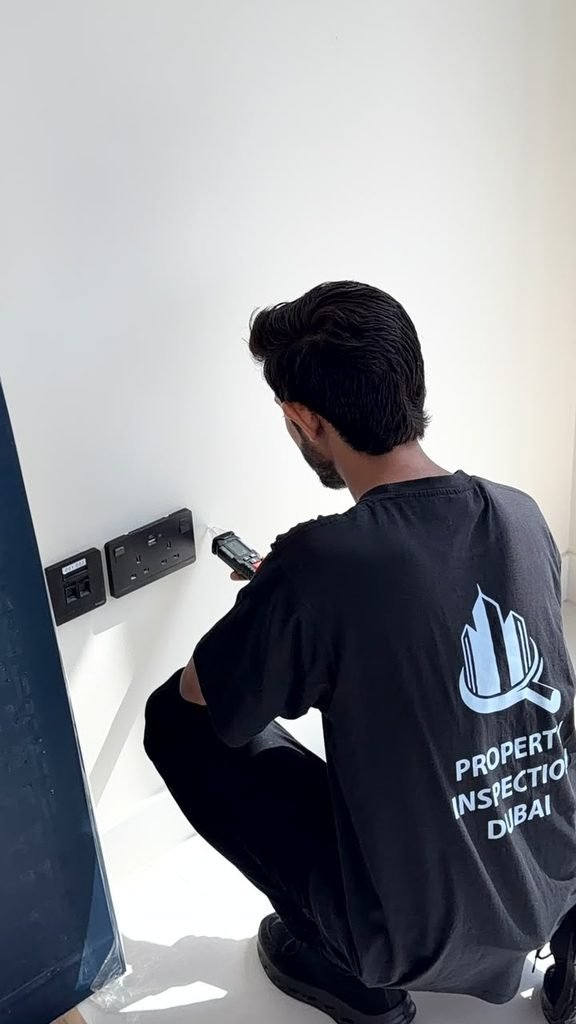
Whilst the 10 year period sounds great, this is mainly for the structural elements of the building. We will cover common issues faced by owners within the 1-year period. This includes leaking pipework, faulty sockets, poor air conditioning, poor waterproofing and poorly fitted doors. If you do not identify any defects within this period, you will usually have to pay for the repairs.
You may also have specific warranty periods in your sale and purchase agreement (SPA). Please ensure you check this. If unsure, please consult a property lawyer. This article is general guidance and not legal advice.
What Your Developer Warranty in Dubai Usually Covers (and What It Doesn’t)
Every developer warranty in Dubai is a little different, but the pattern is fairly consistent. Here’s a practical guide to what owners can usually claim and what they usually can’t.
| Usually covered during the DLP | Usually covered for 10 years | Usually not covered |
| Plumbing leaks, drainage and water pressure problems | Foundations and load-bearing walls | Damage caused by the owner or tenant |
| Electrical faults, sockets, lighting and DB boards | Columns, beams and slabs | Changes or fit-outs you made yourself |
| AC performance, ducting and condensate drains | Defects that threaten the building’s stability or safety | Normal wear and tear |
| Waterproofing failures in bathrooms and balconies | Appliances under their own manufacturer warranty | |
| Cracked tiles, poor finishes, doors and windows | Defects reported after the warranty has ended |
There are two main issues that many owners miss. Firstly, if the owner has made any changes to their property (e.g. moved a wall or changed a fitting), the developer may not repair any issues related to this. Secondly, wear and tear will never be considered a defect. A good inspector will know this and only list items that are fair to claim. This makes your report more believable.
Water damage is also an important issue. Hidden leaks can be a problem as they can cause mold to form. Many owners add a mold inspection if they can smell any mustiness or notice damp patches.
When should I book my Post Handover Inspection in Dubai?
Booking your inspection at the right time is really important. If you book too early, you may not have any defects to identify. If you book too late, you may not have enough time to get the repairs done. Many owners book their inspection at:
Within the first month – Move in inspection. Any issues that were missed at handover will be identified.
Month 6 – The property will have been lived in and if you moved in during the winter months, it will have had some heat. Leaking, poor air conditioning and cracking due to settling often occur at this time.
Months 9-10 – This is the most important time to book. A full post handover inspection will give you a final list of defects and plenty of time to report them. You can then chase the developer and ensure the repairs are done before month 12.
If you can only book one inspection, book it for months 9-10. Don’t leave it to the last few weeks. Developers can often take a few weeks to organize contractors. You will want to allow enough time for a second inspection.
An annual maintenance inspection can be booked after the warranty period to ensure issues are identified early.
How to make a Warranty Claim for Defects in Dubai
A warranty claim for defects in Dubai is largely about providing evidence. The clearer your evidence the quicker the process will be. The best way to do this is:
Have a professional inspection report. Having a report with photos, locations, measurements and simple descriptions is much harder to argue with than a list of complaints in a WhatsApp message.
Ensure you know when your defects liability period ends. Find your handover certificate and SPA.
Send to the Developer. Send your report to the developers customer care/snagging team. Keep a copy. Ask for a ticket/reference number for each claim.
Agree repair times. Ask when they will be repairing each issue. Ensure someone is available or give clear instructions to the property manager.
Follow up. Don’t just say they have done it. A follow up inspection will ensure everything has been repaired correctly.
If issues arise, the evidence you have will help. If the developer stop responding or refuse to repair valid items, you can complain using your evidence. In Dubai this usually means contacting the Dubai Land Department and regulator RERA. Or you can seek legal advise.
Top Tips
Report defects as soon as you can.
All communication should be in one email.
Be polite but firm. Developers receive thousands of tickets. Clear and organized claims are usually dealt with first.
Property Inspection UAE – The same applies to all 7 Emirates!
The information above relates to Dubai however the same principles apply throughout the country. New properties will have a warranty period and you will need evidence to make use of this. The type of property and defects will vary.
Dubai – Large off plan handovers in areas such as Dubai Hills, JVC, Arabian Ranches and Downtown mean thousands of owners will be in their warranty year.
Abu Dhabi – Water front towers in Al Reem, Yas and Saadiyat will suffer from humidity and sea air. Balcony waterproofing and window seals need to be checked carefully.
Sharjah & Ajman – Fast growing family communities and affordable towers mean many first time buyers. They won’t know what to look for.
Ras Al Khaimah, Fujairah & Umm Al Quwain – Coastal villas and resort style properties are more exposed to salty air and storm water. This can cause issues to roofs, drainage and metal fittings.
Warranties can vary between emirates and developers. Please check your contract. However, the advice is the same. Get your property inspected before the warranty expires.
Who should book a Post Handover Inspection?
First Time Buyers
If this is your first property, you probably don’t know what a hollow tile sounds like or how a shower floor should slope. This is completely normal. An inspector will identify these issues very quickly and explain them in simple terms. If possible, attend the inspection. You will learn lots about your property.
Investors/Landlords
As an investor, any defects that slip through the warranty will affect your rental return. A leaking issue will cause the tenant to complain, an emergency plumber will be called and you may have a month of the property being empty. Many investors book a post handover inspection for all their units. Especially if they are based overseas and cannot visit often.
Real Estate Agents
By reminding your clients about the warranty period you will gain trust. This will help with resale. Having a pre purchase inspection on a property still under warranty will let the new buyer know what the developer should still repair. The structural warranty will also stay with the building.
Why choose Property Inspection Dubai?
Our inspectors are certified by InterNACHI and are Certified Professional Inspectors (CPI). Our post handover inspections include:
- A room by room inspection of civils, finishes, joinery, doors and windows.
- Electrical testing of sockets, switches and DB board.
- Pipework, drainage and pressure.
- Air conditioning testing on all outlets.
- Thermal imaging and moisture readings to identify hidden leaks and lack of insulation.
- A clear digital report with photos to send to your developer.
We inspect apartments, townhouses and villas throughout the UAE. We can also come back to check the repairs have been completed once the developer has said they are complete.
Your warranty is already running. Book Your Post Handover inspection today to give your developer a list they can’t ignore.
FAQ’s
What is a post handover inspection in Dubai?
A post handover inspection is a professional inspection of your property once you have your keys. This is whilst your developer warranty is still active. This will identify any defects that have developed since move in so you can claim free repairs.
How long is the defects liability period in Dubai?
Usually 12 months from handover for installations (electrical, mechanical, pipework etc). Structural defects are covered for 10 years. Please check your SPA for exact details.
What is covered by a developer warranty in Dubai?
Most warranties will cover workmanship and installation defects for the first year. This can include leaking, electrical issues, air conditioning, poor waterproofing and finishing defects. Damage caused by the owner, changes made by the owner and wear and tear are usually not covered.
How do I make a warranty claim for defects in Dubai?
Have a professional inspection report. Send to the developer in writing before the warranty ends. Ask for a reference number for each item. Once the developer have said the repairs are complete, have them checked.
When is the best time to book a post handover inspection?
Around month 9/10 of your warranty year. Most hidden defects will have shown and there will be time to get them repaired.
Do you offer property inspection throughout the UAE?
Yes. We offer property inspections for apartments, townhouses and villas throughout the UAE including Abu Dhabi, Sharjah, Ajman, Ras Al Khaimah, Fujairah and Umm Al Quwain. View all our property inspection services.
