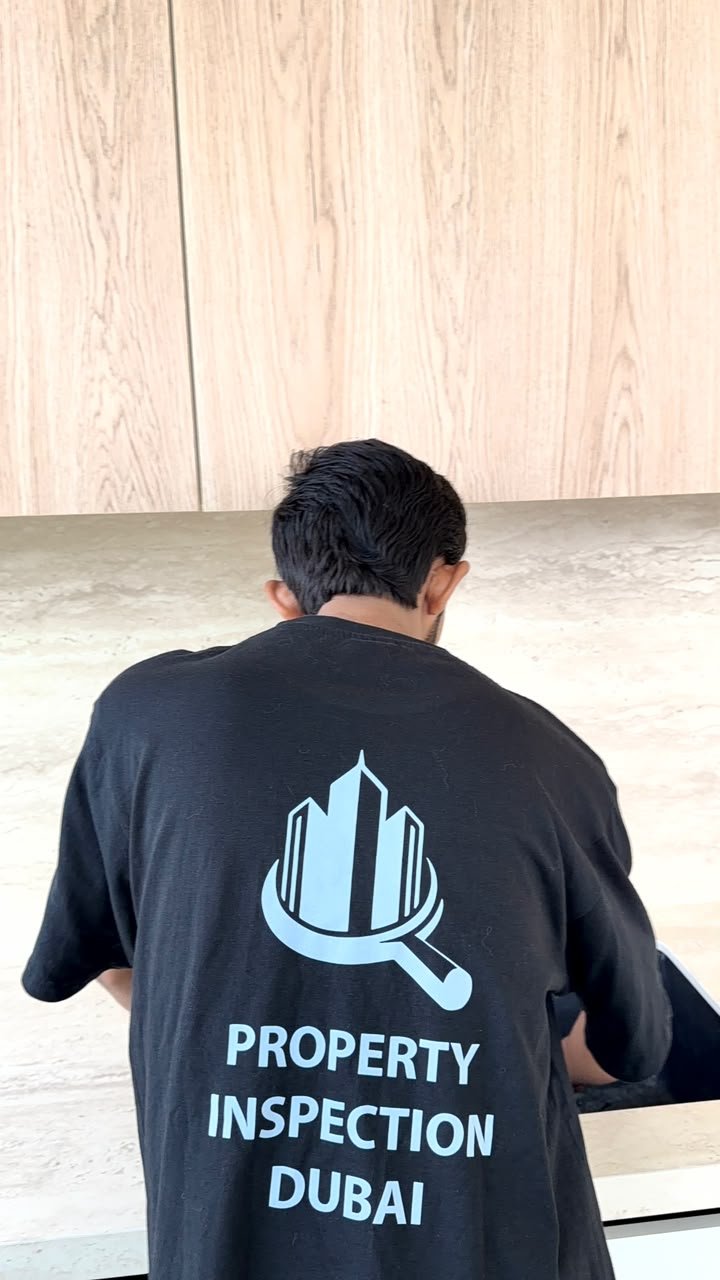
Buying a property or getting ready to move into a brand new home can be a huge decision. Before taking the keys to your new home, you might want to look beyond the beautiful interior of the property. Professional Property Inspection Dubai services can help you spot any obvious building defects, unfinished building works, damp issues and issues with building facilities. You should take the time to look at the base of your property to see if the plinth protection and drainage are in good order.
Whilst most people usually look at the walls, flooring, kitchen, bathrooms and air conditioning, it’s also important to look outside. Poor drainage, damaged exteriors, open gaps and damp around the property can all be problems.
A great property inspection will look at both the internal and external of your property. Whether you’re buying a villa, getting a new apartment or just wanting to look after your property, knowing what to look for can help you make the best decisions.
What is a property inspection and why do we use them?
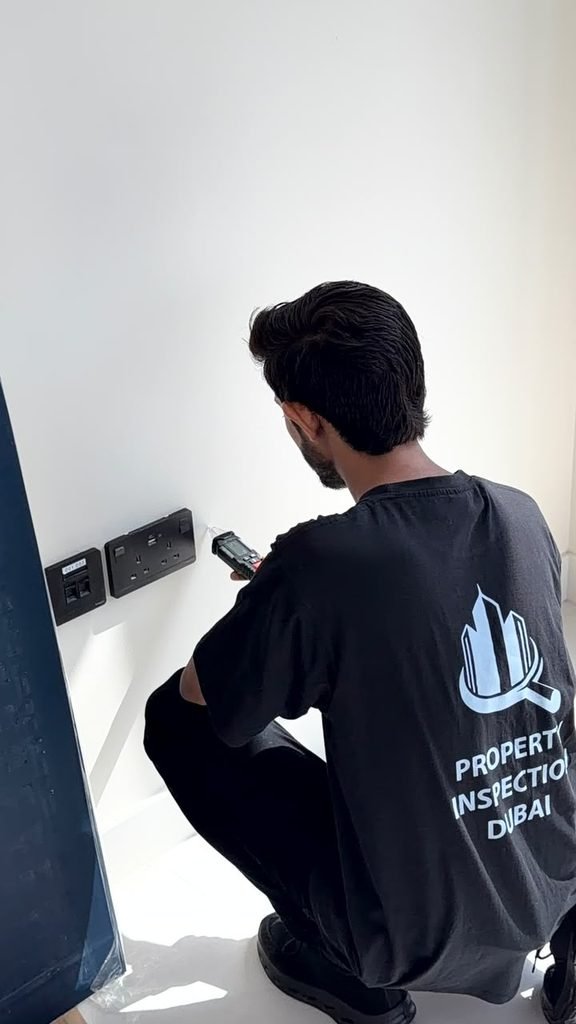
A property inspection will give you a clear understanding of how your property is in terms of visible defects. Depending on the scope of the inspection, it will also give you an idea of how well the visible fixtures and facilities are working.
During the inspection the inspector will look at walls, ceilings, flooring, doors, windows, plumbing, electricity points, air conditioning, drainage and any visible external areas. The inspector will usually note these in a report with accompanying photographs.
Properties in Dubai can vary greatly. New apartments will require a closer look at the quality of the finish and fixtures whilst villas will have more areas to consider such as gardens, terraces, external walls, garage and swimming pool.
A well-planned property inspection will give you an idea of what is working well, what needs looking at and any areas of concern.
Why you should look at external areas during your Property Inspection Dubai
You won’t get a clear idea of how your property is from looking at the internal. Landscaping, drainage, external walls and surfaces can all affect how your property performs.
Many residential properties in Dubai have gardens, pathways, irrigation, balconies and external living areas. It’s important to check how the water is flowing.
Irrigation water could be pooling near the external wall due to incorrect grading of the ground. Water could be pooling on the terrace due to poor drainage. Damaged paths or open gaps around external joins could cause dampness.
This doesn’t necessarily mean there are any structural or damp issues but it’s always good to note. A detailed Property Inspection Dubai will look at the visible external areas of the property.
What is plinth protection?
Plinth protection is a surface or path around the base of your property. Depending on the build it could be concrete, tile, stone or other suitable material.
The system helps manage the surface water around the property. We design the surface to direct water away from the property.
Whilst the plinth protection might seem like a simple external finish, it’s part of the overall damp management.
How well the plinth protection is performing depends on a number of factors. The surface, drainage, ground level, build and waterproofing all play a role.
It’s important to know that this isn’t a substitute for good waterproofing on the foundations or full drainage. A visual inspection can reveal visible issues, but it cannot show how the foundations or waterproofing membrane perform.
Why plinth protection matters
If you don’t properly manage the property’s base, damp issues could occur.
Dubai has a hot climate with some very sunny days and occasional heavy rain. Many residential communities will also have irrigation systems to keep their gardens looking nice. If water is regularly pooling near the external walls it could cause damage to finishes.
A few things you should look out for are:
Irrigation in gardens near external walls
Place sprinklers and irrigation so they don’t constantly soak the external walls of the property. Leaking irrigation could cause constant dampness.
Poor drainage
Pathways and external areas should direct water to the correct drainage areas. If the surface looks sloped or water pools near the walls, note it.
Damaged external finishes
Cracked concrete, loose tiles, damaged joins and open gaps near the bottom of the property could cause water to get to areas that shouldn’t be. How the property was built determines this.
Indications of damp
Damp patches, white salt patches, staining and algae near the external walls could be an indication of regular damp. There are numerous reasons for this, so you should not assume it is a foundation or waterproofing issue. A professional property inspection helps you note these visible issues and determine if further specialist investigations are needed.
What should I look for around the base?
Carefully look at the base of the property. Pay attention to the pathways, landscaping and external walls.
Firstly look at the visible areas. Are there any cracks, damaged tiles, gaps, loose areas and incomplete finishes? Observe how the plinth surface meets the external wall, where you will notice any visible issues.
Secondly look at how the surface slopes. Direct water away from the property. Then note if the surface looks uneven or water pools near the wall.
Look at the drainage areas for any visible blockages, damage or poor maintenance. If there are garden beds or irrigation nearby then look for any leaking connections or unusual damp areas.
Finally look at the bottom parts of the external walls. Note any staining, damp, flaking paint, or salt with photographs.
The aim of a basic visual inspection isn’t to identify any hidden issues but to accurately identify any issues so the correct contractor or specialist can investigate.
Why snagging is important
New builds can sometimes have unfinished work or issues. Even after team completes the main build, you may still find issues with flooring, finishes, doors, windows, plumbing, and exteriors.
Snagging Work can help!
Snagging is the process of identifying any issues or unfinished items. This means the buyer will have a list of issues to pass onto the developer. You complete it using the correct process.
Some issues will be purely cosmetic such as paint marks, scratches, chipped tiles and uneven sealing. Other issues could affect how the property performs such as dripping taps, windows that don’t shut properly, faulty switches and drainage issues.
Don’t forget to look at the external areas. Record any damaged paths, incomplete joints, visible cracks around the plinth, and water pooling near the property in the report, depending on the scope.
A good snagging job will include a clear description of each issue with the location and photographs where possible. The clear description will help the developer understand what needs to be looked at.
Common internal areas to include
Even though it’s important to look at the external areas of the property, the internal will be a large part of any residential property inspection. Even if the property looks great, regular use may reveal issues with how it functions.
Walls & Ceilings
Look out for cracks, uneven painting, staining, chipped plaster and incomplete finishes. Pay particular attention to corners, edges of ceilings and around doors and windows.
Whilst a stain or crack doesn’t necessarily mean anything, if there are regular damp marks or unusual cracks then this should be noted.
Flooring & Tiling
Look out for cracked tiles, scratches, uneven transitions, damaged grouting and loose looking areas. Check the skirting boards and edges of doorways for any gaps or incomplete finishes.
Bathrooms, kitchens, balconies and entrances should be paid extra attention to as they could be exposed to regular damp and cleaning.
Doors & Windows
Open and close all visible doors and windows. Are they operating smoothly? Look for any damaged glass, loose handles, misaligned frames, incomplete sealing and issues with locking.
Large sliding doors and balcony windows should also be checked.
Plumbing & Bathrooms
Turn on all visible taps to see if water is draining properly. Look for any visible leaks under sinks, toilets and shower fittings.
Look for any gaps or damage to tiles, grouting and sealing. If there is any damp or unusual smell then this should be noted and further investigation requested.
Electrical & Air Conditioning
Switch on any standard switches and visible controls. Look for any damaged covers, loose fittings and non-operating lights.
Check the air conditioning system using the usual controls. See if the unit is responding, air is coming out of the correct vents and if there are any unusual noises or visible leaks.
Any electrical panels, exposed wiring and specialist equipment should be assessed by the correct qualified professionals. A basic visual inspection won’t confirm that everything hidden is safe and performing well.
Home Inspection
A home inspection should give buyers and homeowners a better understanding of the property. It’s not just about finding scratches, paint marks and small finishes issues.
You might find that there are signs of past damp along the bottom of the wall. The bathroom may look complete but have poor drainage. The air conditioning may turn on but not be cooling well.
A professional home inspection should look at the finishes and basic operation of the visible areas.
Depending on the property and service chosen, the inspection may cover structural areas, plumbing, electrical, air conditioning, indications of damp and external areas.
It’s important to understand that you won’t be able to confirm the cause of the issue during a visual inspection. You won’t be able to see how the hidden foundations, internal plumbing or hidden waterproofing membrane is performing. Specialist tests may be needed if there is a specific issue of concern.
Understanding this will help homeowners to ensure they understand what has been found during the inspection.
How to spot damp issues
There are a number of ways that you could have damp issues. Understanding the visible signs can help homeowners decide if further investigation is needed.
Look for any discoloration, flaking paint, white salt, algae or damp patches near the bottom of external walls. Inspect for water pooling, damaged joints, and damp surfaces around any paths.
Look for any bubbling paint, unusual smells, ceiling staining, damaged skirting boards and damp areas near bathroom/kitchen fittings.
Whilst knowing where the issues are can help provide context, you won’t know what is causing them. They could be due to leaking plumbing, water entering from outside, condensation, drainage issues or other issues.
A professional inspector can note down the visible symptoms and advise further investigation is needed. Depending on the issue a specialist may use damp measuring equipment or other tests to investigate the area.
The sooner you can note any unusual signs the easier it may be to track any changes and arrange the correct repairs.
What happens after snagging?
Once you’ve identified an issue you’ll need to look at how they plan to fix it. For example if the snag was water pooling near the property then just filling in a visible crack may not fix the issue. You may need to look at the slope of the surface and drainage.
Repainting a damp wall may make it look better but won’t fix the issue. The correct repairs will depend on the actual cause and may require a specialist investigation.
Once the contractor has done their work look at the area (if accessible). Compare it to the photos and notes. If there is still an issue then note this.
Having a clear record of the original issue, repairs and any findings will help everyone understand what has been done.
How to choose the right Property Inspection service in Dubai
When choosing a service to do your inspection it’s important to choose one that fits your property, reason for inspection and level of detail you want.
Ask what areas they will look at. Will they look at internal finishes, visible plumbing, electrical, air conditioning, external walls, drainage and base of property?
Ask how they produce their report. A clear report will include where the issue is, what the issue is and any photos.
Ask if they include specialist testing. If there is a suspected hidden leak or foundation issues then you may need some specialist knowledge.
They should also be able to tell you the limitations of the service. A responsible inspector will be able to explain that whilst there is an issue they may not know the cause and further investigation may be needed.
If you’re a buyer wanting to arrange a Property Inspection Dubai service then it’s important to make sure you know when they’ll be coming and how the report will be passed onto the developer.
Simple tips to look after your property
Whilst the inspection will give you an idea of how your property is at that point in time it’s important to look after your property.
Ensure external drainage isn’t blocked. Look at any areas where water tends to pool. Check irrigation regularly for any leaks. Ensure garden watering isn’t constantly hitting the walls.
Look at any visible external joins and paths. Are there any signs of deterioration? If there are cracks or gaps then arrange an appropriate investigation.
Inside look at the sealant in the bathrooms, visible plumbing connections, air conditioning drainage and any areas where there has been damp.
It’s a good idea to keep copies of the reports, repairs and photos. This will help if the same issue comes up again or you need another inspection.
Protect your home with a thorough Property Inspection
Your property is a huge investment and it’s important to understand how it is. Whilst you should take care to look at the internal finishes and fittings it’s also important to look at the external.
Plinth protection, drainage, external joins and indications of damp at the base of the property all play a role in how your property is. By looking at these alongside the internal areas you’ll be able to get a better understanding of any issues that may need looking at.
A professional Property Inspection will help you note down any visible issues, organize the findings and identify any areas that may need further specialist investigation. Whether you’re arranging a home inspection, looking at snagging or checking your property for any maintenance issues, having a structured approach will make it more useful.
As a homeowner in Dubai the aim is to understand your property, address any real concerns and look after your home.
