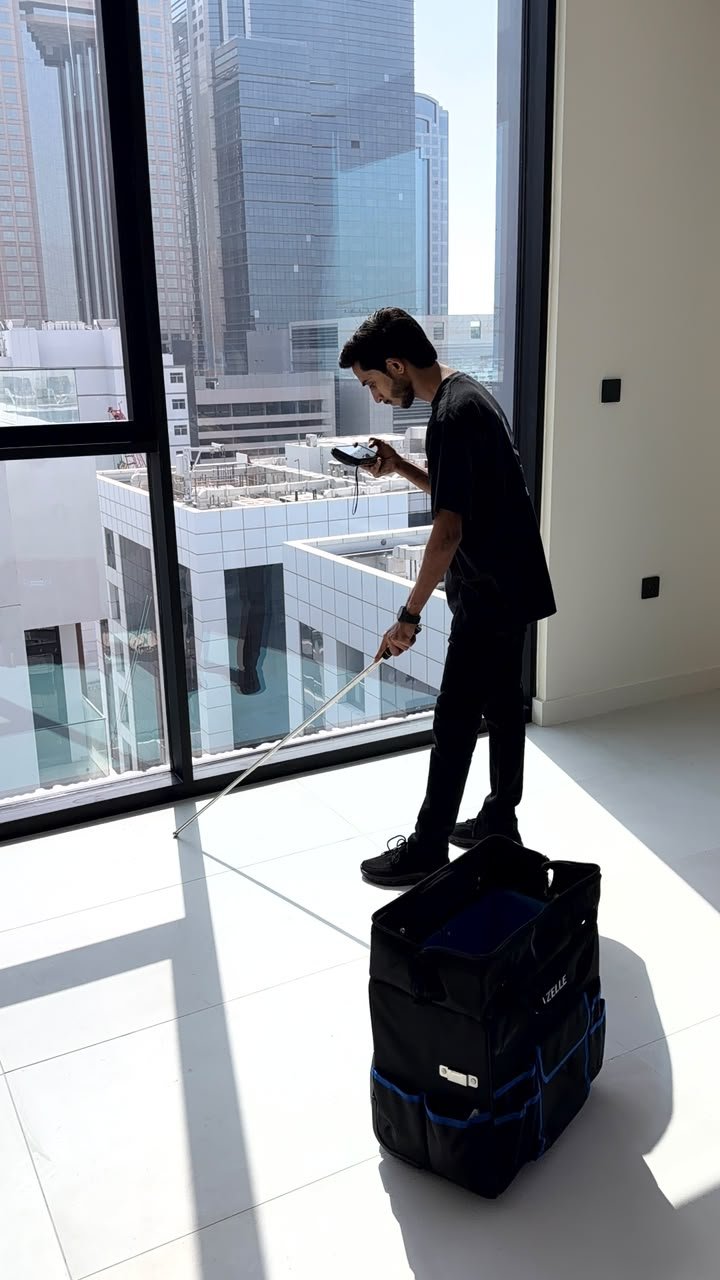
When purchasing a property, receiving a new property, or moving into a rental property, Property Inspections can help to ensure you understand how the property is in reality. Property inspection help identify visible issues and highlight those that may not be easily seen. In Dubai there are a wide variety of residential properties including modern apartments, townhouses and large luxurious villas. Being able to understand these issues will help you to make more informed decisions.
Even brand new properties can have issues with uneven floors, leaking plumbing connections, poorly fitted windows and air conditioning issues. Buyers should note that secondhand properties often look good, but they may have damp, old equipment, or prior work.
Conducting a thorough property inspection gives you a clear way to assess visible areas, verify fixtures, and document issues. Understanding how an inspection works will help you to avoid any unnecessary surprises.
Why Property Inspection is Important in Dubai
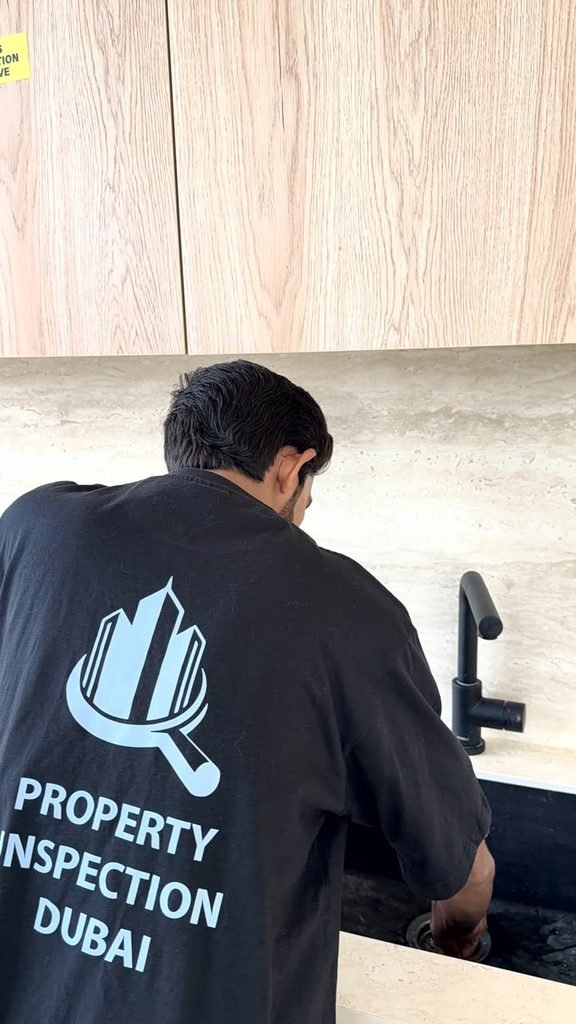
There are a wide variety of properties available in Dubai. From studio apartments to large villas each will have different specifications and building methods. Each will have different requirements based on how large the property is and whether it is brand new or secondhand.
Properties may look fully completed, but they often have issues with finishing, plumbing, electrics, drainage, and air conditioning. You may not spot issues easily until you move in, which makes fixing them a hassle.
Having a professional Property Inspection will help to ensure you are aware of any issues before they get worse. They will also create a document so that you can see how the property looked at a specific time.
This can help buyers to make more informed decisions, homeowners to find out about any maintenance issues and landlords to have a clear view of how the property looked.
This assessment avoids assuming all properties have severe issues; it clarifies how the property works and what needs attention.
Which items does a professional property inspection include?
Depending on the size, age, type and use of the property, a full inspection will generally include the key visible finishes and accessible building features.
Walls, Ceilings, and Interior Features
Ensure that there are no visible cracks, uneven painting, staining or damaged plaster. Check corners, edges of ceilings, around windows and where different materials are.
Inspectors should carefully check floors for cracked tiles, scratches, loose areas, uneven areas, damaged grouting, and poorly finished skirtings.
Note any repeating staining, unusual cracking, or damp, even if small blemishes may not be an issue.
Doors, Windows & Glass
Doors and windows can impact on your security, comfort, ventilation and ease of use. Ensure that accessible doors open and close smoothly, handles and locks work and hinges and fittings are secure.
Inspect the windows to confirm there is no damaged glass, scratching, loose handles, incomplete silicone, or visible gaps. Sliding doors should also move with ease.
If the property has balconies or large glass areas then ensure there is no visible damage to the frames. Check for any signs of damp to the surrounding finishes. Have the appropriate professionals assess any unsafe glass or window elements.
Plumbing & Drainage
Water issues can cause a lot of hassle if not identified. Ensure that accessible taps are working. Water should flow and drain normally. Check underneath accessible sinks to ensure there are no visible leaks. Check for any damp around toilets, showers and other plumbing connections.
We should thoroughly check bathrooms and kitchens because they have many connections.
During the inspection you may identify some warning signs such as dripping taps, slow draining, damaged silicone or unexpected damp. However, the inspector may require further specialist tests to assess hidden pipework and waterproofing.
Light Switches, Lights & Electrical Fixtures
Check that switches, lights, and general electrical fixtures are accessible. Check that there are no damaged covers, loose fittings, missing parts or they are not working as expected.
Appropriate qualified professionals should inspect electrical boards, visible wiring, and potentially dangerous elements.
Air Conditioning & Ventilation
Air conditioning is extremely important in Dubai. Even if the system is turning on there could be issues with cooling, ventilation, drainage or unusual noise.
If it is safe to turn the system on check that it is working normally. Air should be coming from the correct vents. Check there is no visible water leakage or damp to the accessible equipment/ceiling.
We may require further tests using specialist equipment. If it appears to under perform, the team should note it in the report.
When Should I Have a Property Inspection?
The timing of a Property Inspection will depend on your needs.
Before Purchasing a Secondhand Property
When you view a property, you will understand its layout, its location, and what it looks like. However, you may not know how the plumbing, electrics, air conditioning and any previous work carried out.
By having an inspection before purchase you can identify any visible issues and any maintenance issues.
A detailed report can be useful when discussing repairs with the seller. The report does not constitute an appraisal of the property or indicate that there are no hidden issues.
Before Accepting Handover of a New Property
The team should check new properties before accepting the handover from the developer.
A pre-handover inspection can help to ensure that you understand any visible issues. The inspector will look at the accessible finishes, fittings and fixtures and note any issues or incomplete work.
A report with photos can help to identify any issues to the developer. Buyers should also check the handover documents to know how to report any issues.
After Moving In
You can notice issues only after you start using the property. Taps may start leaking, air conditioning may not be cooling and there may be signs of damp.
A post-handover/condition inspection can help to document any issues. If the property is still within the relevant warranty period from the developer then owners should check the relevant details.
Periodic Inspections
Not just for those looking to buy or receive a new property. Homeowners and landlords can benefit from having regular inspections.
Over time, silicone can start to degrade, drainage can become blocked, fittings can become loose and mechanical systems can start to lose performance. By identifying any issues early on owners can plan maintenance.
Property Inspection Dubai – Understanding Different Properties
To carry out a Property Inspection Dubai you will need to understand the variety of properties available throughout the emirate. An apartment on the waterfront, a townhouse within a residential community and a large standalone villa will all have different areas to check.
Air conditioning, drainage from balconies, waterproofing in bathrooms, external silicone, window fitting and damp to wet areas may all be areas to consider.
The age and build of the property can also impact on the inspection. A newly completed apartment may have issues with the quality of finish and incomplete fittings. Older villas may have more issues with maintenance history, visible degradation and previous alterations.
Understanding local knowledge will help the inspector to concentrate on the relevant areas.
The report should clearly state what it found and where it was found. During a visual inspection, the auditor cannot confirm the issue and should note that further assessment is required.
How to Choose a Property Inspection Company
Choosing a Property Inspection Company is an important part of the process. Not only will the equipment used impact on the quality of the inspection but also the experience of the inspector, extent of the inspection and clarity of the report.
Inquire which areas the inspection will cover. A basic inspection for an apartment may not cover the same areas as a large villa or commercial building.
Ask if they will include photos, clear description of issues and recommendations for further investigation. How long will the report take? Will they offer any support.
Ask about their credentials. Are they qualified, do they have any professional memberships, what standards do they use and what type of properties do they regularly inspect? If specialist testing is required, will we include it?
A professional Inspection Company should be able to clearly explain their process and any limitations. Beware of companies that promise to find all hidden issues during a simple visual inspection.
What to Look for in a Inspection Company in Dubai
When choosing between Inspection Companies Dubai to use it can be useful to look beyond the cost.
Will they understand the type of property and why you want the inspection. If you are preparing for handover you may want a detailed report on any issues. If you are purchasing secondhand you may be more concerned with the overall condition, any previous alterations and maintenance.
A good report will help you quickly identify the issues, where they are, and the actions that may be required. Photos and clear descriptions will be more helpful than generic comments.
Will they offer any support? If we have fixed the original issues, a follow-up visit may help confirm they are resolved.
The best company will not be the one that makes the most promises or cheapest but the one that has the correct credentials, covers the correct areas during inspection, creates a clear report and has experience.
Why Equipment and Reports are Important
A thorough inspection will not just involve walking around the property. Depending on the agreed scope of work professional inspectors may use equipment to help investigate any issues.
Thermal imaging can help to identify hotpots which may indicate damp or insulation issues. Damp meters can help to identify damp in accessible areas. Appropriately qualified professionals may use specific testing equipment.
Technicians may use other equipment such as laser measures and inspection cameras to identify measurements or accessible hidden areas.
We should use the right equipment for the inspection. A thermal image may not confirm there is a leak. Investigators should understand the findings in context, and they may need to conduct further investigations.
The final report should be easy to understand. The final report clearly states the findings, where they were found, and any relevant photos. A well organized report will give owners and contractors a good starting point.
Property Inspection for Apartments, Villas & Commercial Properties
The property type determines which inspections are required. Understanding this will help buyers and owners to select a service that covers the relevant areas.
Apartment Inspection
Generally an inspection will include checking the internal finishes, doors, windows, flooring, kitchen fittings, bathrooms, plumbing, electrics and accessible air conditioning.
If balconies exist, inspect them for visible damage, drainage issues, and incomplete finishes. Shared areas and systems may require a separate inspection or co-ordination with building management.
Villa Inspection
Generally a villa will have a larger inspection as they can have multiple floors, multiple bathrooms, external walls, terraces, gardens, garage and private swimming pools.
A qualified inspector should check external accessible features and fittings. Depending on the property further specialist checks may be appropriate for pools, irrigation, drainage and other equipment.
Commercial Property Inspection
The intended use of the commercial property determines the requirements. Offices, retail and warehousing can all have additional considerations such as building services, fire safety, accessibility, shared areas and operational equipment.
We should agree the scope. This should relate to the property and what it is used for. If there are regulated systems or compliance then the relevant specialist or authority may need to be assessed.
Common Mistakes to Avoid
Assuming that a clean and well presented property means it is in good condition. Just because there is fresh paint, nice furniture and modern fittings doesn’t mean that everything is working.
Assuming that a full inspection will cover everything. Even if they say it is a full inspection they may not include specialist testing, hidden fittings or certain external systems. Ask for the scope of work in writing.
Focusing purely on the presentation of the property. Some buyers may not notice any signs of water damage, drainage issues or unusual performance from equipment. A balanced inspection should cover presentation, functionality and visible warnings.
Don’t ignore the report. Take time to understand what has been found, ask any questions and follow up any issues that require fixing.
What Happens After Inspection?
The findings should be organized into a report. This will generally include what areas were checked, what issues were found, photos and recommendations.
Depending on the property you may want to share the report with the seller (if you are a buyer), submit the documented issues to the developer (if you are a new homeowner) or plan any repairs (if you are a landlord).
If any repairs have been carried out then a follow up inspection can help to check the issues have been resolved. This will be useful if the issue was relating to functionality.
Keep copies of the report, photos, repair records and any relevant communication. This can be useful for future reference.
Make a More Informed Decision with a Professional Inspection
A property is a big investment so it is important to have more consideration for its condition. Walls, floors, plumbing, electrics, drainage and air conditioning all contribute to how safely and comfortably you can use your home.
A well planned Property Inspection will help buyers, homeowners, landlords and investors to understand the condition of a building and identify any issues. Choosing the right scope of work for your property will help whether you need an inspection before purchase, during handover or for regular maintenance.
When choosing a Property Inspection Company look for professionals with experience, clear reports, relevant credentials and an honest explanation of what can and cannot be checked. Whilst a detailed report cannot guarantee all hidden issues will be found it will give you a clearer basis to make decisions and manage your property with more confidence.
