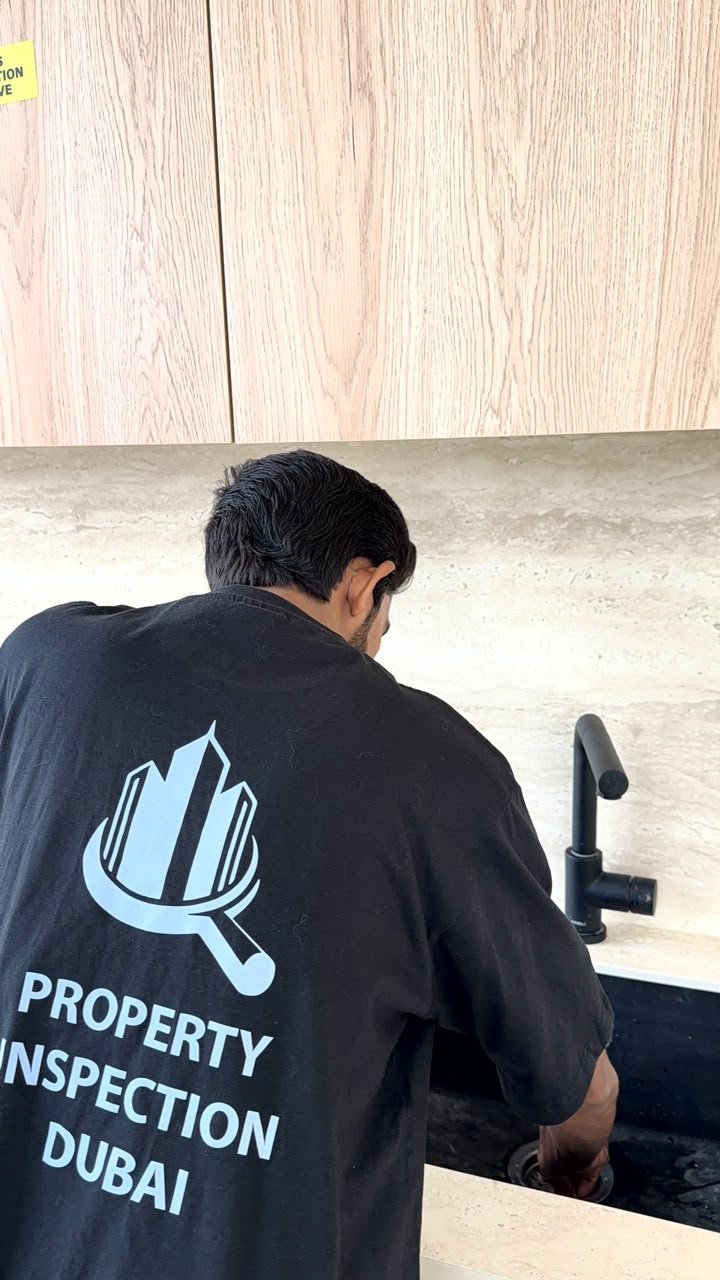
Buying a property in Dubai is a significant purchase. A professional Property Inspection and Snagging provides much-needed reassurance before accepting the keys. New properties can still have defects and installations that do not conform to expectations. An appropriate Property Inspection service reveals the property’s actual condition. It records any necessary repairs before handover and after receipt.
Dubai’s market offers a range of properties; from compact apartments and high-rise residences to large villas and luxury townhouses. Each requires a different approach, and a simple walk-through will not suffice. A thorough inspection considers the layout, exposed workmanship, accessible systems and how the homeowner intends to use the property.
A professional property inspection service goes beyond superficial assessments. It can influence the cost of required repairs.
Why a Professional Property Inspection Matters in Dubai
A property can appear completed, but still require time before it is fully ready for occupation or use. Fresh paint and polished floors present well. Fresh paint and polished floors do not prove the property meets the relevant construction and fitting standards.
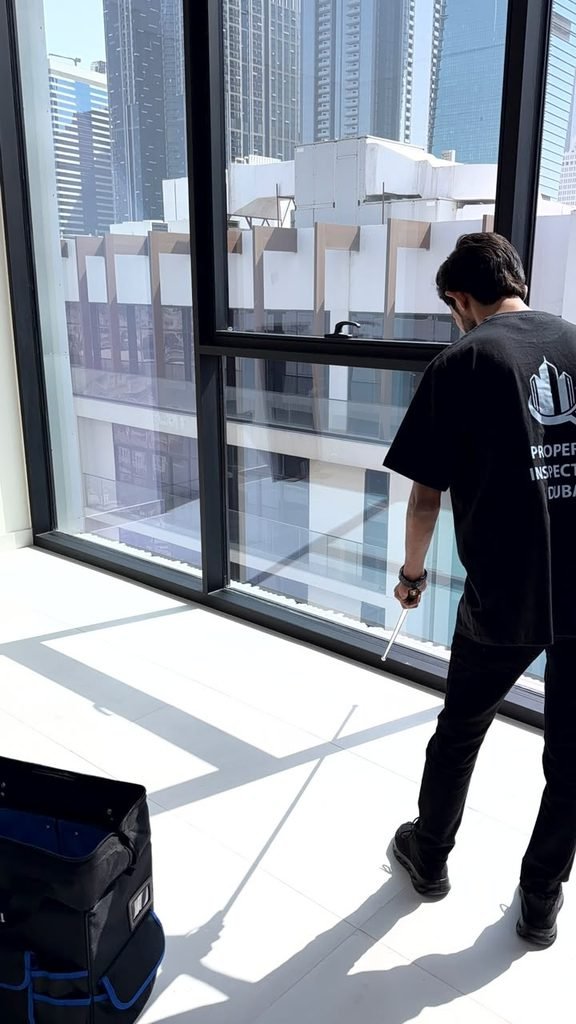
A professional inspection covers the accessible areas of the property systematically, and according to the scope of the chosen service. It encompasses walls, ceilings, and flooring, doors and windows. It includes kitchen cabinets, bathroom fittings, plumbing, electrics, and air-conditioning, depending on the scope. More may be included, if the scope permits. We may carry out additional technical investigations if an area of concern presents itself.
The value of such a report is in its findings. If a window fails to close correctly, there are signs of moisture near the bathroom. A Property Inspection report provides visual evidence of the problem and explains why it requires attention. This makes communication easier with the developer, contractor, landlord or property manager.
For a new property, an inspection prior to handover offers the opportunity to raise any number of defects to the relevant party, through the appropriate procedure. For an occupied property, it can record its condition. It can also investigate issues that arose since occupation. The timing depends on the type of property and intended purpose of the inspection.
What Makes a Reliable Property Inspection Company?
Not all Property Inspection services offer the same scope, or level of detail. Prior to selecting a Property Inspection Company, consider the approach. Consider the depth of the report and its relevance to the property.
A good Property Inspection starts with understanding the property. Determine whether the property is a new apartment, a family villa, an occupied rental, or a home near the end of its defect liability period. Each type requires a different level of focus. Each requires a different level of focus.
The report is as important as the site visit. It should list findings individually, noting the location and including photographs where relevant. No one should have to interpret the findings, or what is meant by poor finishing or bathroom issue.’
Query the team’s qualifications and experience. Gather details on the equipment they bring and any limitations. Record their expectations for the report. If a re-inspection follows any remedial works, inquire whether it will be available.
The best Property Inspection Company for one property, may not be the right choice for another. Look for organizations that give an honest indication of what they can offer. They should provide a well-documented report on their findings without over-promising.
Property Snagging vs. Property Inspection
These two terms are often used interchangeably. A Property Inspection encompasses a range of services at various stages of a property’s lifespan.
Property Snagging focuses on the defects, omissions, poor workmanship and functionality of a property around construction and handover. Homeowners may raise multiple reported problems with the developer or contractor, and a qualified company should generate an appropriate report.
A Property Inspection may have other objectives, and can involve looking at an occupied property, investigating any signs of moisture, conducting a per-purchase survey or even looking at issues that arose after handover. In essence, snagging focuses on the defects and poor workmanship of a property, and a Property Inspection can extend beyond this scope.
The two procedures overlap, in that a Property Inspection carried out prior to handover can incorporate snagging and an evaluation of the accessible systems. It depends on the service chosen, the equipment used and the tests that can be performed safely.
Prior to booking any Inspection Company, ascertain whether the scope covers a visual survey only, a technical inspection or a combination of the two.
Villa Snagging Needs a Different Approach
A villa presents more surfaces and a greater number of areas for investigation, compared to a typical apartment. Multi-story, terraces, pools and multiple air-conditioning zones increase the list of potential areas of concern. Inside, a Property Inspection covers exposed paintwork, floor finishes, stairs, door and window finishes, wardrobes, kitchen fittings, bathrooms and accessible electrical and plumbing systems. The layout and interaction of the rooms and their systems are also considered.
Outside, attention is drawn to any defects in the building’s facade, any issues with boundary walls, balcony finishing, outdoor drainage and accessible pool equipment, if applicable. The Property Inspection report must document any standing water, damage to finishing and visible signs of moisture, so that they can be evaluated by the relevant party. A villa inspection reflects its design, and a standard apartment checklist is not advisable.
A villa with a pool, large landscaped areas or complex cooling may need additional investigation. The report should differentiate what is visible from areas that require a specialist’s opinion for investigation. The report should distinguish between aspects that cannot be accessed or evaluated during a standard site visit.
Apartment Snagging: Details That Are Easy to Miss
This process assesses the finishes, fittings and systems that people rely on for everyday living. While an apartment has a smaller floor area than a villa, its defects can have a direct impact on the comfort, maintenance and use of the property.
Balcony and window doors should open and close smoothly and be secure, with no damage to the seals or frames. Align the kitchen cabinets correctly, ensure the drawers slide easily, and keep the worktops free of visible gaps or inaccessible plumbing beneath the sink.
During an inspection, inspectors should check bathrooms for damaged tiles, finishing sealant, leaks, slow drainage, and moisture. Where the water is on and safe to do so, test the taps and other normal controls.
We should test the accessible controls of the air-conditioning system to ensure they function normally in Dubai. The system expels air through the correct vents. Unusual noises and visible moisture are also worth noting. A basic survey will not confirm the technical performance of an air-conditioning system and should the report identify any concerns, further investigation may be necessary.
The Property Inspection should also highlight damaged floor finishes and faults with fittings, lighting and doors that do not close correctly. A structured report enables you to raise and confirm every point.
Handover Snagging Before You Accept the Keys
Handover snagging is particularly valuable when a developer notifies the prospective owner that a new property is ready. The apartment or villa may appear finished, and you can use this inspection to evaluate its condition before taking possession.
Book an inspection in advance, if possible, so the inspector can report the findings and raise any necessary items. Ensure that the site is accessible to the inspector, and that any utilities are on if the scope of the inspection includes testing.
During the inspection, the inspector covers the areas specified in the scope and documents any visible defects. Test the accessible fittings and systems, where it is safe to do so, and note any restrictions, such as utilities that are off, or inaccessible rooms.
The contractor may fail to repair every defect before handover, even after the report translates the findings into a list. Be aware of the terms of your contract and ensure that you follow the correct procedure in raising any items of concern.
Property Snagging at handover does not apply only to new apartments. Owners of villas can request a tailored inspection, covering the extra features available within their property.
Why a Handover Inspection Should Go Beyond Looks
A handover inspection should investigate the functionality of the property, as well as its appearance. Attractive finishes do not necessarily indicate that all the plumbing, windows and air-conditioning systems are functioning correctly.
The handover inspection may include testing accessible taps and drainage, checking normal electrical controls, inspecting visible pipework and evaluating doors and windows. Where the scope of the inspection incorporates technical testing, appropriate equipment will assist in investigating any moisture-related concerns or system discrepancies.
Be aware of the difference between a functional and a technical investigation. A light that does not illuminate is one thing, but identifying the electrical fault behind it requires a qualified specialist. Similarly, a moisture reading indicates an area of concern, but it does not identify the source of the ingress.
A useful report will document what the inspector was able to see and how it was able to investigate each concern. You will receive a practical report and not an unsubstantiated opinion.
How to Choose an Inspection Company in Dubai
Choosing an Inspection Company should start with asking the right questions. You want to identify a provider whose scope, report and experience is relevant to your property, rather than one that simply advertises itself well.
Property types. Ask the company what types of property it inspects. Experience in high-rise apartments will be relevant, if you are taking possession of a similar property. A large villa may need a team that is familiar with outdoor areas and more complex building systems.
The report. Does the report include photographs, a description of each defect and its location and recommended action? Will it be shareable with the developer or contractor? If you carry out the repairs, will a re-inspection be possible?
Tools and tests. Equipment is valuable, where it is appropriate to the task. But the use of advanced equipment does not guarantee that all hidden defects will be identified. The inspector should be able to advise on what the equipment can establish and where a specialist is needed.
Terms and price. Review the quotation and make sure you understand what will and will not be included. Are there any additional costs? What is the turnaround for the report and what support is offered following its receipt?
When comparing providers, remember that the label Best inspection company says little about their suitability for your particular property. Relevant documentation, experience, professional communication and an honest approach to the limitations of the scope will tell you much more than a marketing campaign that makes unsubstantiated claims.
What Happens After the Inspection Report?
Receiving the report is a useful milestone, but it is not the end of the process. Review the findings and decide what items you would like to report to the developer, contractor, landlord or other responsible party. Submit the items of concern through the relevant procedure and make sure that you keep a copy of the report, photographs and your correspondence.
When the developer confirms that repairs have been made, re-inspect the items that you can, if possible.
A re-inspection is advisable when there are a number of defects, when repairs involve essential systems, or when the concerns raised are difficult to verify. The inspector compares the completed works to the initial report and documents any outstanding items.
Some concerns require a specialist. This includes potentially unsafe electrical installations, suspected structural damage and significant water ingress. A snagging report can identify these issues, but it does not replace a specialist diagnosis, where one is necessary or required by statutory bodies.
Maintain a clear record. It will show what you reported, what was repaired and what still requires attention.
A Practical Inspection Protects Your Investment
Buying a home in Dubai is a significant investment and knowing the condition of a property enables you to make a more confident decision. From villa snagging and apartment snagging through to handover snagging and a detailed handover inspection, the right approach is dependent on the property and the queries that you wish to raise. A thorough inspection identifies visible defects and documents your concerns.
When choosing a Property Inspection Company, look for those that offer relevant experience, a clear scope, documented evidence and an honest approach to the limitations of the scope. This will show you what the inspection can achieve and where you may need further specialist expertise.
If you are about to take possession of a new apartment or villa, book your inspection in good time, review the report and any outstanding items. A systematic approach will not guarantee a defect-free property, but it will enable you to make more informed decisions regarding one of your most valuable investments.
