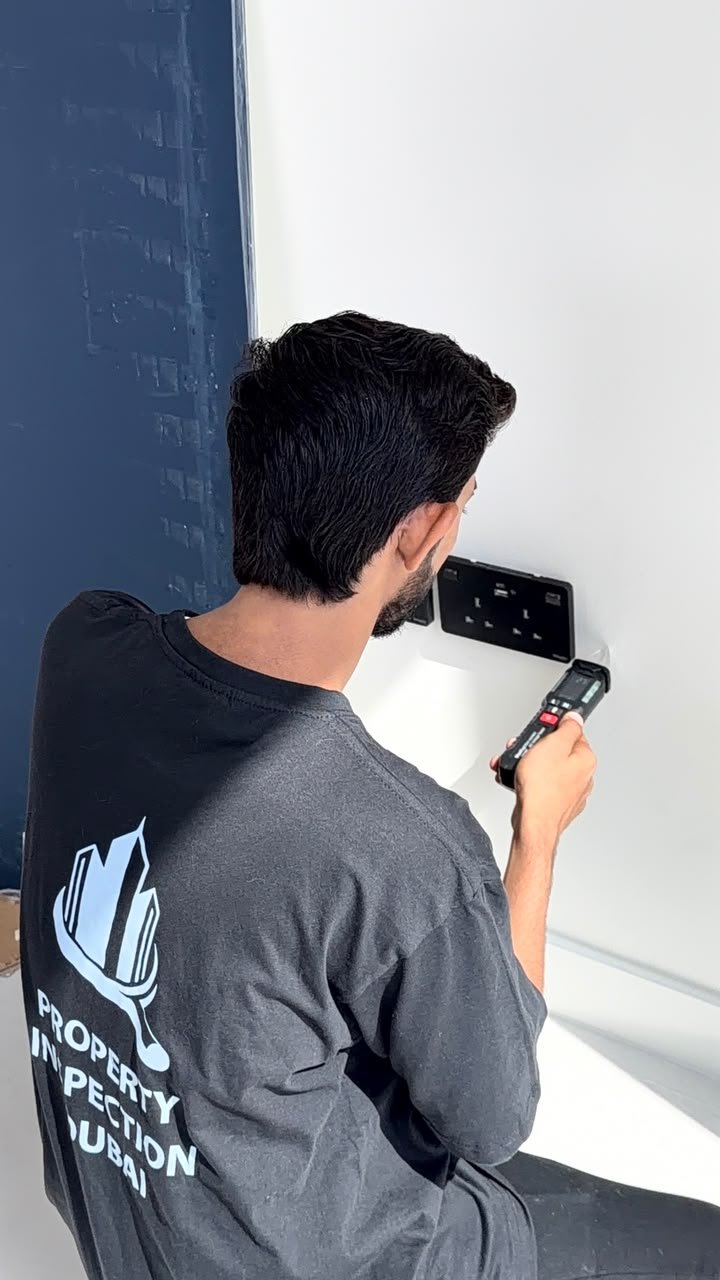
When buying a property or approaching a handover, the condition is as important as the location. Property inspection Dubai services enable buyers, owner-occupiers, landlords, and investors to spot defects and the maintenance needed, helping them take action on what needs repair or handover. A survey scrutinizes finishes, and the condition of plumbing, electrics, and air conditioning, identifying priority and severity.
A building may look great on first arrival. With more patience, imperfections will present themselves during a slower walk around the villa or apartment. Faulty door closings are common on a survey. The inspector notes dampness on a bathroom fitting. The inspector notes a malfunctioning air conditioner. Log these issues and report them to the developer, seller, landlord, or property manager.
Whether you are buying new, approaching villa handover, or inspecting an existing home for defects, knowing what to expect helps. It guides you to make the best choice.
What Is a Property Inspection?
A property inspection is a survey of the building’s current condition, focusing on the accessible parts. Inspectors determine what is inspected, and the detail level varies with the building. The visit’s aim and scope influence this. The provider’s testing level also varies.
The contents for a new home focus on the finishes, exposed work, installation, and access to fittings. Property listings show exposed work and maintenance for properties that are bought or sold. They will also show the likelihood of moisture ingress and the level of systems fit-for-purpose. Surveys also cover walls, ceilings, floors, doors, windows, kitchens, bathrooms, and accessible electrical and air conditioning. Some providers offer additional or specialized testing and investigations.
A visual inspection may not reveal the condition of some services. Therefore, establish whether a specialist survey is available for suspected issues. This ensures the correct level of investigation.
Why You May Need a Property Inspection Before Handover
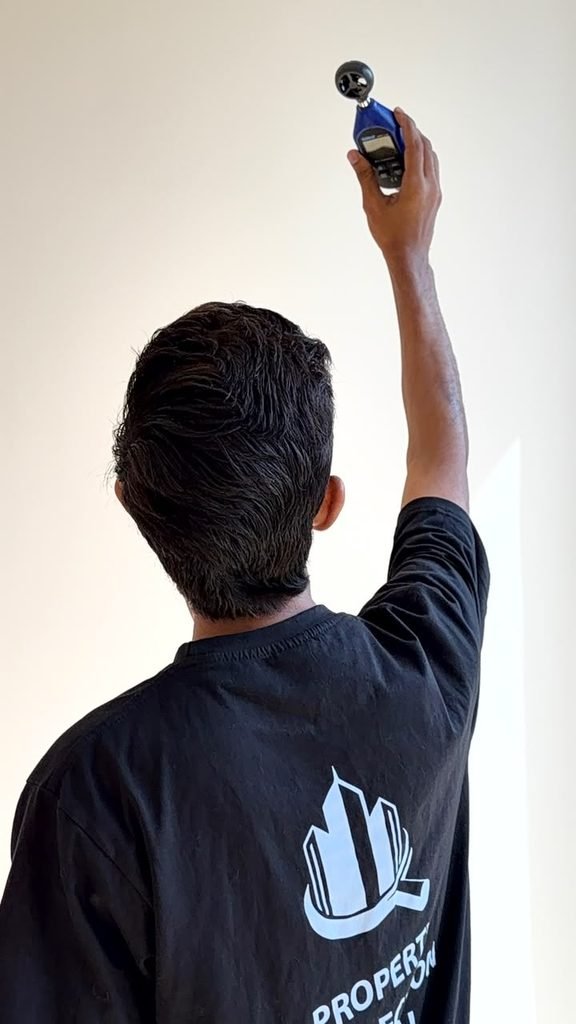
Keys collection is an exciting time, but it should not be the first time seeing potential problems. Developers and contractors work on large projects, and despite the work completed, defects may persist long after completion.
An inspection enables the developer, seller, or landlord to receive reports. These reports occur before furnishing the property with furniture and belongings. This process logs defects promptly and follows the correct handover and reporting procedures.
Issues arise from floor tiles with inconsistent protrusions. There is an unsealed window reveal, or a leaking fitting in the bathroom. It is good practice to provide photographs and additional details for the reported snagging items to make repairs simpler.
Timing is essential. Reporting procedures, the contract, and warranties often differ. Read handover documents and ask the developer or relevant party for clarification on the best action for your situation. Remember that not all defects can be rectified, so it is essential to know what to expect.
Understanding Snagging and Snagging Works
Snagging relates to inspecting a building. The survey ensures visible issues, works, and faults present themselves around handover. The snagging works then relate to the defects identified.
A snagging survey goes beyond a simple walk-around by noting down what can be seen. Every snag should include the location and, where applicable, the level of the problem. A photograph is also an invaluable addition, assisting the developer or landlord in understanding the snagging item. An example relates to a kitchen cabinet that fails to close correctly. The snag should note the cabinet location, plus the snag occurring on opening or closing. Ideally, add a photograph. Similar considerations apply to floor finish damage, an unsealed window reveal, fittings, and staining.
Not all snags are equal. A small imperfection on a paint finish is less severe than an apparent defect or fault. Good snagging reports also separate low, medium, and high priority items, so the team addresses the most pressing issues first.
The snagging works log all visible defects for follow-up, but they do not guarantee the developer will accept all items.
What an Inspector Should Be Looking At
A property inspection should focus on the building’s use and construction rather than superficial features. The surveyor will review the accessible parts and, where possible and appropriate, test the available fittings and systems.
Walls and Ceilings: Visual check for cracks, unevenness, staining, paint faults, and moisture.
Floor: Check for tile cracks, general condition, transition between floor finishes, and incomplete grouting/skirting.
Doors and Windows: Open and operate to check for movement, fitting, and seals, and check handles, locks, and other fittings.
Kitchens and Bathrooms: Examine fittings, connections, and finishes for damage, unsealed fittings, leaks, drains, and movement of accessories and visible staining.
Electrical and Air Conditioning: Check accessible fittings and controls. Simple checks can identify faulty lights/switches, unusual equipment sounds, and cooling performance, and potential problems during a more comprehensive survey. Do not use equipment that presents a hazard during a general survey.
The specific requirements for a property inspection will depend on the building and the provider. It is always good practice to request a written scope outlining the systems included and the availability of specialist testing where applicable.
How Snagging Tools Help Finding Issues
A visual inspection is vital, but snagging tools can help identify some problems that are not immediately apparent. The tools that a surveyor carries will depend on the property, the likely issues, and the level of inspection.
Moisture meters are generally good for providing a reading in suitable materials, and they can help identify suspected water staining or dampness. Reading interpretation is key, but it is also worth bearing in mind that they are not conclusive evidence of a leak.
Thermal imaging helps identify variations in temperature that may require further investigation. A thermal fault alongside a suspicious wet mark or faulty air conditioning component can highlight an issue, but it is not conclusive evidence. Various factors can influence temperature readings, so thermal imaging is not a substitute for a specialist moisture or water leak survey.
Laser levels or similar equipment can help identify faults in surface level, and measuring tools, torches, and specialist electrical testing can also assist in some investigations, provided that the surveyor is competent in their use.
Individual tools only tell part of the story, and the most reliable snagging reports utilize the correct equipment, interpret the findings correctly, and communicate the limitations. Specialist surveys will always be necessary for some investigations, and no survey can identify all the potential issues with a building.
Home Inspection for Buyers, Owners, and Landlords
A home inspection is good for more than just new-build handovers, and the services can be helpful at various points during the lifetime of a property.
First-Time Buyer: A property inspection can identify concerns that may need to be rectified before handover or sale completion.
Resale Buyer: Knowing the level of visible deterioration, accessible fittings, and the requirement for specialist investigations is always useful.
The homeowner should run a survey if recurring issues arise or if a general survey is needed.
Landlord/Property Manager: A survey can identify visible defects and the maintenance needed, both at the beginning and end of tenancy.
Bearing in mind that the reason for a property survey is essential. A snagging inspection before handover is significantly different from a general survey, and neither always rules out the need for specialist investigations into structural, electrical, plumbing, pest, or other concerns.
Choose the Right Property Survey Service
The value of an inspection is only as good as the report that follows, and a long list of vague concerns is of limited value, especially if there are multiple genuine issues that require separate attention.
A good report will detail each concern individually, providing sufficient detail to locate the snag. Include photographs to provide context, and add commentary to help readers identify the snag and its likely implications. Where applicable, the report should recommend further investigations by a specialist contractor.
Water stain on the ceiling beneath the bathroom is a better description than a simple ceiling problem. The former identifies the location clearly without assuming the cause, whereas the latter requires additional investigation.
After you receive the report, explain the concerns and address any additional questions that may arise.
Report the relevant issues per the developer’s, owner’s, or landlord’s reporting procedure and keep a copy of all correspondence. The inspector may need to perform a follow-up inspection to confirm the issues resolution, depending on the report’s scope and access.
How to Choose a Property Snagging Company
A provider’s value reaches beyond the bottom line, and a prospective client should understand the level of service, procedure, and report that a property survey comes with.
Start by establishing an inspector’s qualifications and experience with the relevant property.
A provider that typically offers snagging services for new-build apartments will be significantly different from a company that specializes in inspecting resale villas or commercial properties.
Ask about the report, including photographs and accessible system checks, and an explanation of the findings. If you are concerned about moisture, cooling, or electrical supplies, identify available tests and indicate whether investigations are needed.
Report production time and the options for asking questions and requesting a re-inspection after snagging works also apply. Read through the terms and conditions to understand the report’s limitations and additional costs.
A competent provider will be open about the procedure rather than advertising the ability to spot every defect. Experience, an appropriate scope, and a good report are more helpful than vague marketing language, and a competent provider will be able to communicate this.
Finding the Best Snagging Company in Dubai for Your Property
The search for the best snagging company usually revolves around comparing pricing, reviews, and packages. While a good starting point, the best providers understand the client’s requirements and have experience with the intended property.
If searching for the best snagging company Dubai buyers and owners can trust, ask the provider about their experience with the intended property. The inspector will document defects. Also indicate the tools used and whether the report differentiates snags from investigations.
A lower price does not always indicate a narrower scope, and a higher price may reflect a more extensive survey. Compare the content of the service before selecting a provider based on cost.
It is also worth bearing in mind the reporting and follow-up procedures. Straightforward reporting, informative snagging report content, and appropriate follow-up are essential in communicating with the developer, seller, landlord, or maintenance contractor.
No company can guarantee that a non-invasive survey will identify all hidden defects, so choose a provider that does not overstate the value of its experience.
What to Do after the Inspection
Categorize the findings depending on urgency. Report safety hazards and active leaks to the relevant party as soon as possible, and report other cosmetic finishing issues according to the reporting procedure.
Review the report and confirm that you have identified the concerns, and ask questions where necessary.
Keep a copy of the report, the photographs, and all correspondence, cross-referencing the completed snagging items with the original concerns, noting the current condition if any defects persist.
With new-build properties, confirm the developer’s expectations in relation to snagging reporting and any deadlines. With resale properties and rental homes, clarify the responsibilities with the seller, landlord, property manager, or relevant professional depending on individual circumstances and agreements.
A survey report is a helpful tool, but it is not a contract or specialist diagnosis. Used correctly, it guides the way forward in relation to the property.
Make an Informed Decision about Your Property
A property offers more than its aesthetic appeal, and a systematic inspection of finishing issues and accessible systems can help make sense of the observations and address the relevant points.
Whether you are organizing snagging before handover, a home inspection prior to purchase, or simply looking for a company to inspect an existing property, it is essential to understand the requirements and the scope.
Appropriate inspection work considers the observations, the relevant tools for the suspected issues, and the documentation. While it does not guarantee a defect-free building, it helps make the necessary steps in raising concerns and making informed choices in relation to the property.
