
Buying a property snagging in Dubai is a big commitment. Whether you are purchasing a new apartment, taking possession of a villa, or moving into a property that has already been lived in, there is one step that should not be rushed: checking the property properly.
A property can look perfect during a viewing and still have problems that are difficult to notice at first. A loose tile, leaking pipe, poorly sealed window, uneven floor, faulty socket, or air-conditioning problem may not become obvious until you start using the home.
This is why property inspection Dubai services have become an important part of the buying and handover process.
A professional inspection gives you a detailed picture of the property’s condition before you commit to living with problems that could have been identified earlier.
What Is a Property Inspection in Dubai?
A property inspection is a systematic examination of a home to identify visible defects, poor workmanship, maintenance concerns, and problems with accessible building systems.
The inspection can cover the property’s structure and finishes as well as areas such as:
- Walls and ceilings
- Floors and tiles
- Doors and windows
- Kitchens and cabinets
- Bathrooms
- Plumbing fixtures
- Electrical points
- Air-conditioning
- Balconies and terraces
- Built-in wardrobes
- External areas, where applicable
The exact inspection scope depends on the type and condition of the property.
The main idea is simple: instead of relying on a short viewing, you get a more detailed assessment before making an important decision.
Why Property Inspection Matters in Dubai
Dubai’s property market includes everything from studio apartments and high-rise residences to large villas and townhouses. Each property has its own potential problems.
A new property is not automatically a defect-free property. During construction and finishing, different contractors work on different parts of the building. Small issues can sometimes remain unnoticed until the property is handed over.
For an existing property, the concerns are different. Years of use can result in wear, leaks, damaged fixtures, poor maintenance, or problems that have been covered up by cosmetic improvements.
A professional inspection can help you identify these issues before they turn into expensive surprises.
Property Snagging: An Important Part of New-Home Handover
For newly built properties, property snagging is particularly useful before handover.
Snagging involves identifying defects and unfinished or poorly completed work so that the relevant developer or contractor can address the issues.
Imagine moving into a new apartment and discovering a few weeks later that water is pooling on the bathroom floor, several doors do not close properly, or the air conditioning is not cooling one of the bedrooms correctly.
These are exactly the kinds of problems that are better identified before or around handover rather than after you have settled into the property.
A good snagging inspection should not focus only on what looks attractive. It should also consider how the property functions.
Villa Snagging Requires More Than a Basic Checklist
A villa usually has more space, more rooms, and more systems than an apartment. That means villa snagging needs to take the property’s size and features into account.
Depending on the villa, an inspection may include:
- Multiple floors
- Staircases
- Large windows and doors
- Balconies and terraces
- Roof areas
- Garages
- External walls
- Driveways
- Swimming pools, where included in the inspection scope
- Landscaping and drainage areas
- Air-conditioning systems
- Kitchens and bathrooms
Large properties also have more finishing details, which means there are more opportunities for small defects to go unnoticed.
A villa inspection should therefore be carried out room by room rather than treated as a quick visual walk through.
Apartment Snagging in Dubai
Apartment snagging has its own challenges.
High-rise apartments may contain extensive mechanical and electrical systems, multiple wet areas, balconies, large windows, fitted kitchens, wardrobes, and other built-in features.
During an apartment snagging inspection, the focus can include both appearance and functionality.
For example, an inspector may look for:
- Cracks or damaged finishes
- Uneven or hollow tiles
- Poor grout or silicone work
- Door and window alignment
- Water leakage
- Drainage problems
- Faulty switches or sockets
- Kitchen installation issues
- Bathroom defects
- Air-conditioning performance
- Balcony drainage concerns
The goal is not simply to produce a long list of minor imperfections. The useful part of a report is identifying problems that actually need attention and documenting them clearly.
Villa Inspection vs. Apartment Inspection
Although both services have the same basic purpose, the inspection approach can be quite different.
A villa inspection may involve several floors, outdoor spaces, larger HVAC systems, garages, terraces, pools, and other features that are not normally found in an apartment.
An apartment inspection, on the other hand, is usually concentrated within the individual unit and its accessible fixtures and systems.
Neither is necessarily more complicated in every case. The important thing is that the inspection is tailored to the property rather than relying on a one-size-fits-all checklist.
When Should You Book a Property Inspection?
The best time depends on why you are having the property inspected.
Before Buying
If you are purchasing a resale property, an inspection can help you understand its condition before completing the transaction.
It may also reveal maintenance issues that are not obvious during a normal viewing.
Before New-Property Handover
For a new development, arranging an inspection before accepting handover can help identify defects while they can still be raised with the developer.
Before Moving In
If you are renting or purchasing an existing home, documenting the condition before moving in creates a useful record.
Before Moving Out
An inspection can also be useful when leaving a rented property, particularly if you have a detailed record from the beginning of the tenancy.
Choosing a Snagging Company in Dubai
If you decide to hire a professional snagging company Dubai homeowners can use, do not choose based solely on price.
Ask what the inspection actually includes.
A reliable company should be able to explain:
- What areas will be inspected
- Whether functional checks are included
- What equipment is used
- What the final report looks like
- Whether photographs are provided
- How quickly the report is delivered
- Whether follow-up inspections are available
- What type of properties the inspectors regularly handle
Experience matters because different properties present different challenges.
A company that regularly inspects villas may approach a large villa differently from a small apartment. Likewise, an inspector familiar with new-build handovers will know which areas deserve particular attention.
What Makes the Best Snagging Company?
Searching for the best snagging company can produce plenty of options. But there is no single company that is automatically the best choice for every property owner.
Instead, look for a company that offers a clear inspection process and a report you can actually use.
A useful snagging report should make it easy to understand:
What is wrong?
Where is the problem?
How serious is it?
What evidence supports the finding?
What needs to be corrected?
Photographs are particularly useful because they provide a visual record of the defect.
You should also be cautious about companies that make unrealistic promises or claim that an inspection can guarantee a completely problem-free property. A professional inspection reduces uncertainty; it does not change the fact that buildings can develop problems over time.
What Does a Good Inspection Report Look Like?
The report is one of the most important parts of the inspection.
A useful report should be organized logically and written in language that a homeowner can understand. Technical terminology is sometimes necessary, but every issue should still be clear.
For example, rather than simply writing:
“Door defect.”
A useful report would identify the location and describe what was observed, ideally with a photograph.
This makes it much easier for a developer, contractor, landlord, or maintenance team to understand what needs to be fixed.
Don’t Ignore Small Problems
Not every snag is an emergency. However, small defects can sometimes point to larger issues.
A small water stain could indicate moisture behind a surface. A loose tile in a wet area could eventually allow water to reach places where it should not. A window that does not seal properly may become a bigger problem during heavy rain or with prolonged exposure.
This does not mean every small defect is serious. It simply means that documenting problems early is usually better than waiting until they become expensive.
Move Out Inspection: Why It Matters
Property inspections are not only for people buying new homes.
A move out inspection can be useful for tenants and landlords at the end of a tenancy.
The basic purpose is to document the property’s condition when the tenant leaves. Ideally, this can be compared with the condition recorded at the beginning of the tenancy.
For example, normal wear from everyday use is different from significant damage. Having photographs and written records can make those differences easier to establish.
A move-out inspection may cover:
- Walls and paint
- Floors
- Doors and cabinets
- Bathroom fixtures
- Kitchen fittings
- Appliances where applicable
- Windows
- Air-conditioning
- Plumbing fixtures
- Other items included in the tenancy
A clear record can make the final handover less stressful for both parties.
Can You Inspect the Property Yourself?
Yes, you can carry out your own basic walk through.
You can open doors and windows, switch lights on and off, look for visible cracks, run taps, check drainage, examine flooring, and photograph anything that seems unusual.
The difficulty is knowing what you may have missed.
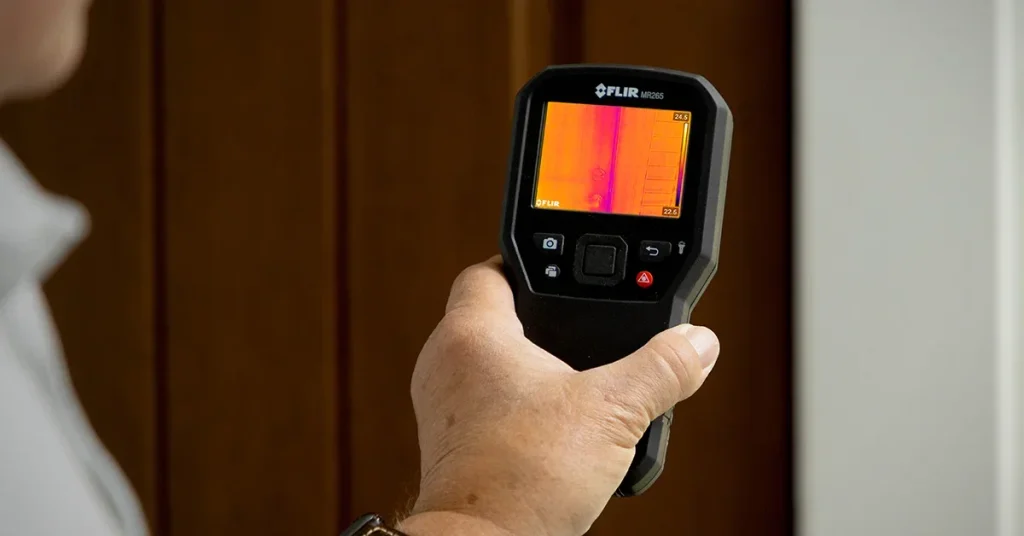
A professional inspector follows a structured process and can spend considerably more time examining the property. Depending on the inspection, specialist equipment may also be used to investigate areas that cannot be assessed through a basic visual check.
For a significant property investment, having an independent inspection can therefore be worthwhile.
Property Inspection Is About More Than Finding Defects
The purpose of an inspection is not to create the longest possible snag list.
A useful inspection gives you information you can act on.
When you are purchasing a property, it can assist you in understanding exactly what you are buying. If you are taking possession of a new home, it can help you report defects to the developer. If you are renting, documentation can help record the condition of the property at the beginning or end of the tenancy.
That information can be valuable long after the inspection itself has finished.
To Sum up
A property can look excellent during a five-minute viewing and still have issues that only become apparent after you start using it.
That is why property inspection Dubai services can be valuable for buyers, homeowners, landlords, and tenants.
Whether you need property snagging, villa snagging, apartment snagging, a villa inspection, or an apartment inspection, the goal is the same: understand the property’s condition before problems become your responsibility.
For new properties, a professional snagging inspection can give you a detailed record of defects before handover. For rented properties, a move out inspection can provide useful documentation when the tenancy ends.
The wisest course of action is not to presume a property is flawless simply because it appears new or well kept. Spend the time to examine it thoroughly, record your findings, and resolve significant problems before they grow.
That modest investment of time and attention can greatly affect the ownership or rental experience that comes afterward.
